
Regional Tensions Mount After US-Iran Exchange
The Middle East has witnessed a significant escalation in hostilities, with multiple Gulf nations reporting missile and drone attacks. This comes directly after the United States Central Command (CENTCOM) confirmed it had carried out extensive strikes on Iranian military installations. The recent exchanges highlight a fragile truce that has been repeatedly tested amidst ongoing geopolitical friction.
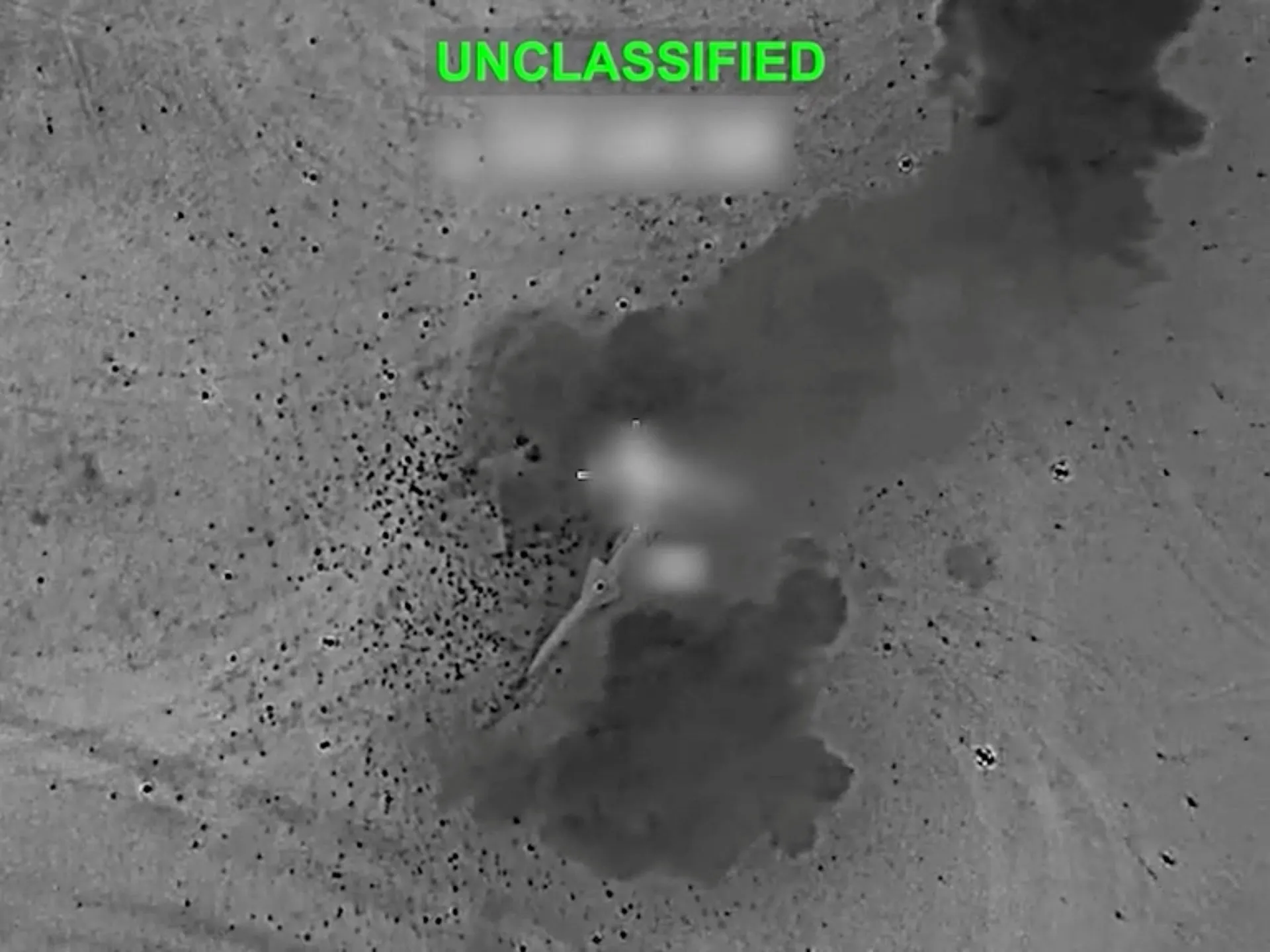
Reports indicate that the United Arab Emirates, Qatar, Kuwait, Oman, and Bahrain experienced missile and drone incursions overnight and into Sunday morning. These incidents followed a series of approximately 140 US military strikes across Iran, which targeted various sites including missile and drone launch facilities, naval assets, and ammunition storage depots. Iranian state media subsequently reported the death of an army officer during these operations.
Widespread Impact Across the Gulf
The attacks have had tangible consequences in the region. In Qatar, the Ministry of Interior confirmed that three individuals, including a child, sustained injuries from falling shrapnel. The Qatari government issued a strong condemnation, labeling the aggressions as a "dangerous escalation" that threatens diplomatic efforts. Similarly, authorities in the UAE stated that their air defense systems were actively engaging with incoming projectiles, although a later statement clarified that the "missile threats" were detected outside its borders. Bahrain, which hosts the US Navy's 5th Fleet, activated missile alerts for the third time on Sunday, while Kuwait's military also reported intercepting incoming fire.
Oman, a key player in regional diplomacy, also reported drone attacks. The state-run Oman News Agency indicated that several sites in the Musandam governorate, an exclave strategically located near the Strait of Hormuz, were targeted. Meanwhile, Iran's Islamic Revolutionary Guard Corps (IRGC) claimed responsibility for striking a US radar site in Kuwait and destroying a command-and-control center along with drone hangars at a US base in Jordan. Jordanian officials, however, stated that three Iranian missiles landed without causing any casualties.
Strait of Hormuz: A Critical Flashpoint
The recent surge in violence is closely linked to ongoing tensions surrounding the Strait of Hormuz, a vital maritime choke point. Earlier, Iran had attacked a Cyprus-flagged container ship and subsequently announced the closure of the strategic waterway "until further notice," prohibiting vessel transit. The strait's passage has been a central point of contention in negotiations between Tehran and Washington. Since joint US-Israeli strikes initiated a conflict in late February, Iran has asserted control over this bottleneck, through which approximately one-fifth of global energy exports previously passed. This development has significantly contributed to a multi-year high in global oil and gas prices.
Although Tehran had agreed to allow the resumption of traffic through the strait following a memorandum of understanding (MoU) signed with Washington in mid-June, it has insisted on vessels using an approved route to maintain a degree of oversight. Ships that have attempted to navigate alternative shipping lanes closer to the Omani coast have reportedly faced attacks.
Diplomatic Efforts Amidst Renewed Hostilities
The backdrop to these events includes US President Donald Trump's directive for strikes on Iran following attacks on shipping, a move reportedly driven by a desire to lower energy prices ahead of crucial midterm elections. Last week, President Trump had indicated that the deal with Iran was "over," though he later acknowledged a request from Tehran to continue negotiations. On Saturday, the foreign ministers of Iran and Oman convened to discuss maritime traffic in the Strait of Hormuz, a waterway historically considered international despite being within Iranian and Omani territorial waters.
Despite the exchanges on Sunday, both Omani and Iranian officials have expressed their commitment to continuing technical and political discussions regarding navigation through the Strait of Hormuz. However, Tehran has refrained from committing to unrestricted passage. The initial US and Israeli strikes on Iran, which occurred on February 28, resulted in the death of the country's supreme leader, Ayatollah Ali Khamenei, whose funeral took place recently.
Source: Original Article
Related Articles
 world
world
Escalating Tensions: Middle East on Edge Amidst Iran-US Confrontation
 world
world
Diplomatic Efforts Intensify to De-escalate US-Iran Tensions Through Gulf Mediation
 world
world
Escalation in Gulf: Iran Responds to US Strikes with Regional Missile Attacks
 world
world