
Renewed Hostilities Erupt in the Gulf
The delicate truce between the United States and Iran has been significantly jeopardized by a recent exchange of military strikes, marking a critical escalation in the ongoing regional tensions. This development follows a period of concerted efforts to de-escalate the conflict, which now appears increasingly precarious.
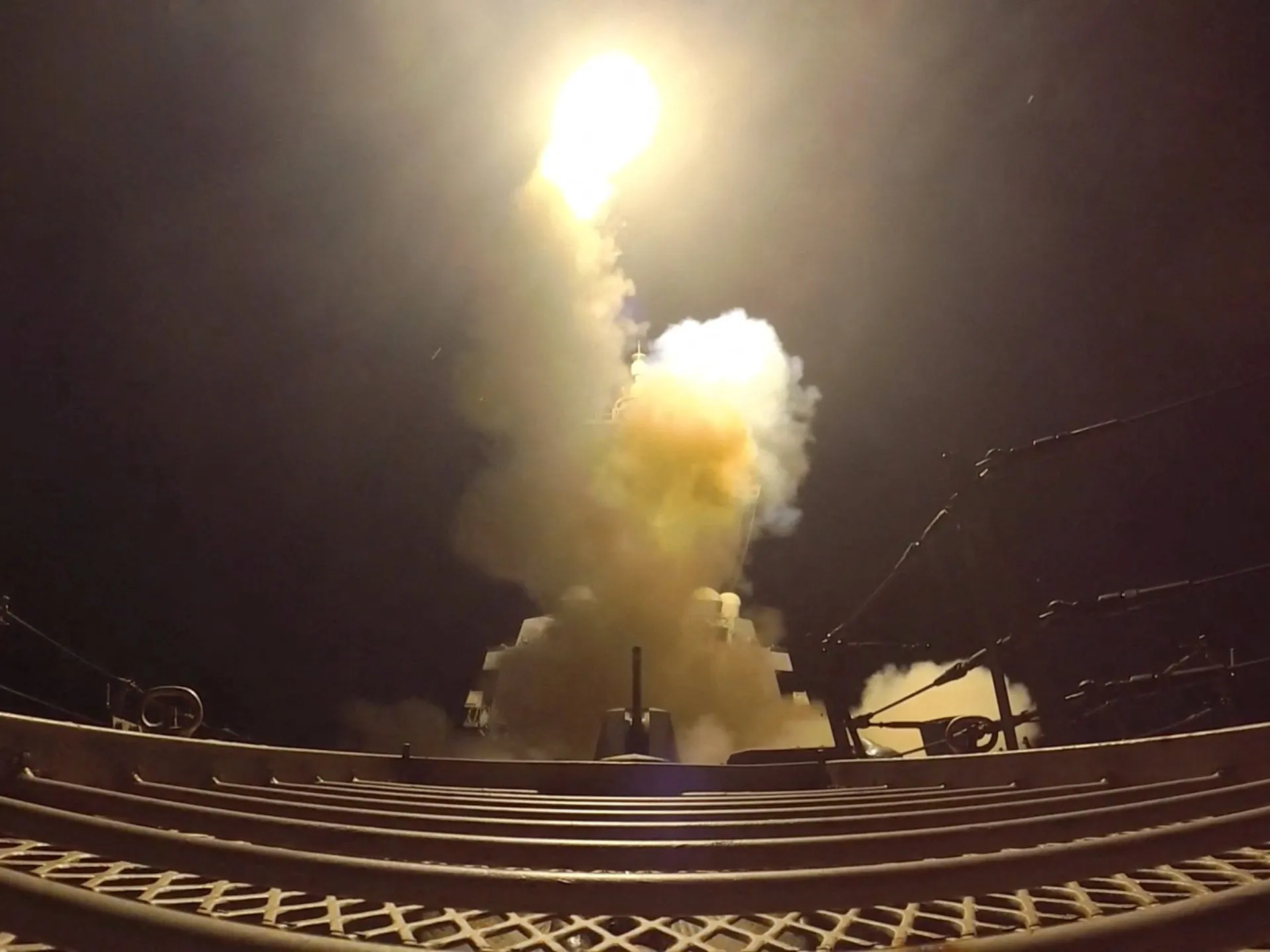
In the early hours of Monday, the United States Central Command (CENTCOM), responsible for overseeing American military operations in the Middle East, confirmed that US forces had executed strikes against numerous targets within Iran. This operation involved a diverse array of military assets, including fighter aircraft, naval vessels, and both one-way attack aerial and sea drones. CENTCOM specified that these attacks were directed at "military air-defense systems, coastal radar sites, and missile and drone capabilities, as well as small boats." The stated objective behind these actions was to diminish "Iran’s ability to continue attacking international shipping flowing through the Strait of Hormuz."
Iranian Response and Regional Impact
Iranian authorities reported that the American strikes impacted eight cities within the Khuzestan province. Tragically, one security guard lost his life, and four individuals sustained injuries at a water facility in Mahshahr as a result of these operations. In response, hours later, Iranian forces launched their own retaliatory attacks targeting US military installations across several Gulf nations.
The Islamic Revolutionary Guard Corps (IRGC) claimed responsibility for these counter-strikes, asserting that they had hit a long-range FPS air surveillance radar located in Bahrain, a vessel detection radar system in Oman, and a US Army surface-to-surface missile base situated in Kuwait. The IRGC further detailed that the strike in Kuwait successfully destroyed two missile launchers and adjacent storage facilities, inflicting substantial damage. Following these incidents, Bahrain issued public alerts, advising its citizens to remain calm and seek safety in designated secure locations. Jordanian authorities also reported the interception of four missiles that had entered their airspace from Iranian territory.
Previous Engagements and Ceasefire Challenges
These latest confrontations occurred just days after another round of US strikes on Saturday. During that operation, the US claimed to have targeted approximately 140 sites across Iran. This previous action was presented as a response to alleged IRGC attacks on commercial shipping and Iran’s declaration regarding the closure of the Strait of Hormuz.
The current escalation casts a long shadow over a Memorandum of Understanding (MOU) that was agreed upon by Washington and Tehran in mid-June. This agreement aimed to extend an earlier April ceasefire and facilitate the reopening of the Strait of Hormuz, a crucial global shipping lane. However, the recent events suggest that this framework, intended to pave the way for negotiations on more complex issues such as Iran’s nuclear program, is now teetering on the brink of collapse.
Strait of Hormuz: A Persistent Flashpoint
Control over the Strait of Hormuz remains a central point of contention between the two nations. Before the conflict began on February 28 with US-Israeli strikes on Iran, approximately 20 percent of the world’s energy exports transited through this strategic waterway. US President Donald Trump has been vocal about his desire to lower oil and gas prices, particularly in anticipation of the upcoming midterm elections. Conversely, Tehran maintains that vessels must utilize the shipping lane closest to its coastline to preserve its sovereignty and control over maritime traffic. Iran has consistently targeted ships navigating the southern route, which is closer to the Omani coast.
Recent shipping data from Kpler indicated a significant decline in vessel traffic through the Strait of Hormuz on Monday, reaching its lowest point in five weeks. Last week, President Trump initially declared the ceasefire to be over, though he subsequently announced on Friday that both sides had agreed to continue discussions. The current surge in military actions, however, underscores the profound challenges in maintaining any semblance of stability in the region and the increasing strain on diplomatic efforts.
Source: Original Article
Related Articles
 world
world
Israeli Army Unveils Footage of Subterranean Tunnels Beneath Lebanon's Beaufort Castle
 world
world
Elderly Palestinian Recounts Assault by Israeli Settlers in West Bank
 world
world
Escalating Tensions: Iran Targets US Military Installations in Middle East
 world
world