
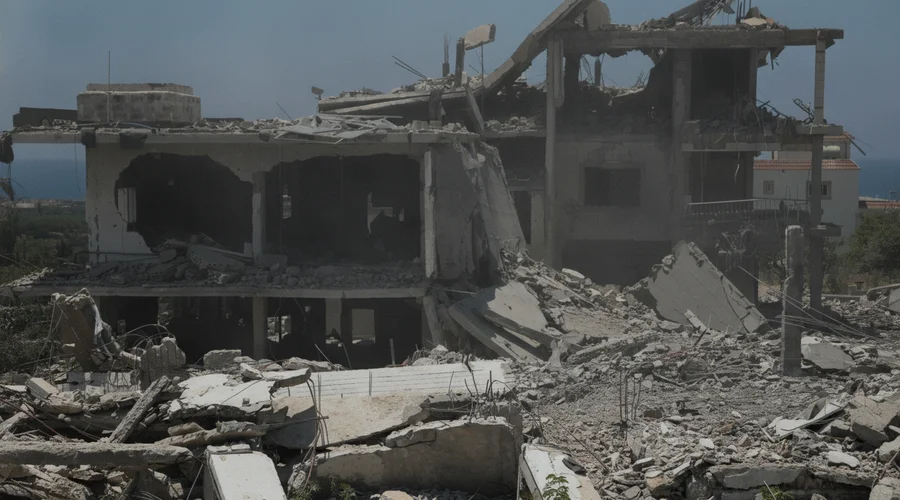
Israeli Strikes Escalate Regional Tensions
Recent Israeli military actions in southern Lebanon have led to significant casualties and are threatening to derail sensitive diplomatic efforts aimed at solidifying a peace agreement between the United States and Iran. Reports from US media indicated that American envoys, including Steve Witkoff and Jared Kushner, were expected in Switzerland for these discussions, which had been previously postponed. However, following the latest wave of Israeli attacks, the participation of Iranian officials remains uncertain.
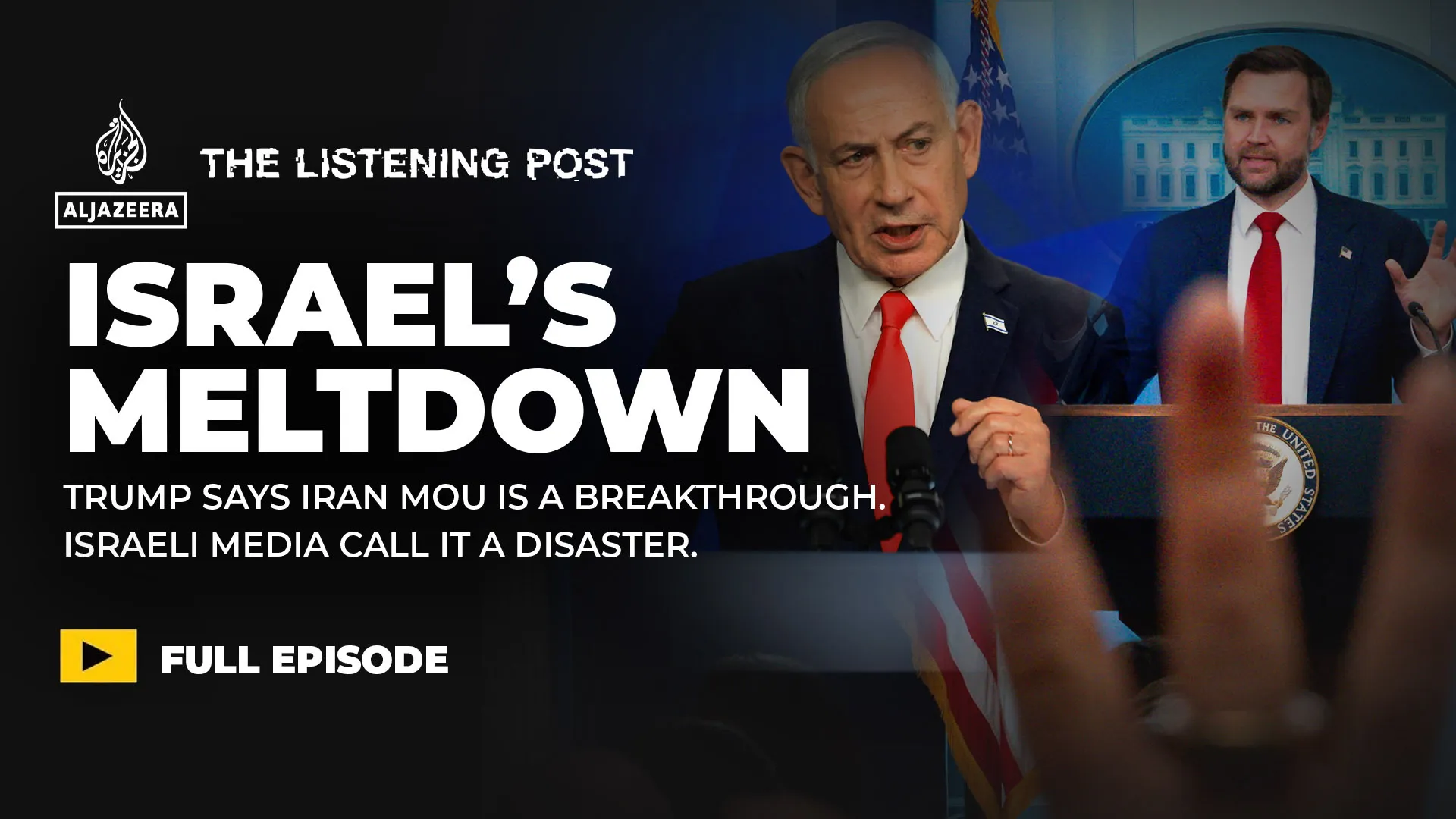
The anticipated talks are designed to advance technical discussions stemming from a memorandum of understanding (MoU) between the US and Iran. Vice President JD Vance had initially been slated to attend but postponed his trip. Meanwhile, Iranian Foreign Minister Abbas Araghchi's travel to Switzerland, initially expected, may also be delayed. Sources close to the negotiations suggest that Iran views a sustained ceasefire in Lebanon as an indispensable condition for the diplomatic process to move forward, describing it as a potential 'make or break' factor for the broader US-Iran discussions.
Switzerland's foreign ministry confirmed its role in providing a confidential setting for these discussions at Buergenstoc, reiterating its commitment to facilitating dialogue on the implementation of the MoU while maintaining strict confidentiality regarding participants and content. Al Jazeera's diplomatic editor, James Bays, highlighted the interconnectedness of the regional conflicts, stating, "It seems pretty clear Iran is not coming here while that bombardment continues in Lebanon, and they’ve got reason…because in the agreement signed by the US and Iran…. it says there has to be a ceasefire, and there is clearly not a ceasefire in place."
Casualties Mount in Southern Lebanon
The recent Israeli air and drone strikes in southern Lebanon have occurred mere hours after a ceasefire between Israel and the Iran-backed Hezbollah group was supposed to take effect, further complicating the already delicate US-Iran peace initiative. Lebanon's civil defense agency reported that ongoing Israeli strikes in the Nabatieh district resulted in 16 fatalities and 12 injuries. Separately, a Lebanese soldier was killed in an attack on Kfar Reman.
The National News Agency of Lebanon also documented Israeli assaults in the Tyre District, where a strike on the village of Barish claimed the lives of four members of the same family. Additionally, one person was killed in an Israeli bombing of the Bekaa Valley in eastern Lebanon. These incidents underscore the fragility of the ceasefire and its critical role in the broader regional negotiating process. Rob McBride, reporting from Beirut, emphasized that the entire diplomatic effort appears heavily reliant on developments in Lebanon in the coming days and weeks.
Article 1 of the US-Iran MoU explicitly links the cessation of hostilities in Lebanon to the overall ceasefire agreement across all fronts. The Lebanese army issued a statement asserting that the continued Israeli attacks are designed to obstruct efforts to restore stability in the country. Since a ceasefire agreement in November 2024, the Lebanese government has been pursuing the disarmament of Hezbollah as part of a US-backed roadmap and advocating for Israel's complete withdrawal from southern Lebanon. An agreement earlier this month called for Hezbollah's withdrawal north of the Litani River but did not include a full Israeli withdrawal.
Mutual Accusations Amidst Renewed Hostilities
Hezbollah reported on Saturday that it had targeted Israeli troops who had advanced into an area near Nabatieh overnight. In response, the Israeli military released a statement claiming that Hezbollah had launched over 50 projectiles towards its soldiers operating in southern Lebanon overnight, accusing the armed group of violating the ceasefire.
Upcoming US-Lebanon Talks and Hezbollah's Stance
The US State Department has announced a new round of talks between Israel and Lebanon, scheduled to take place in Washington, D.C., on June 23 and 25. These discussions aim to foster progress towards a lasting peace. US Secretary of State Marco Rubio reportedly conveyed to Lebanese President Joseph Aoun that "Lebanon’s bilateral negotiations with Israel represent the only feasible path to reconstruction, economic recovery, and ending recurrent cycles of violence."
However, the absence of Hezbollah from these specific talks has been identified as a potential impediment to meaningful progress. Ali Fayyad, a representative of Hezbollah in the Lebanese parliament, stated in remarks carried by Iran's Tasnim news agency that the armed group categorically rules out a ceasefire with Israel as long as Israeli forces remain on Lebanese territory. He warned that any further aggression would be met with a decisive response, emphasizing, "The position of the resistance is clear, unambiguous, non-negotiable and without retreat. A ceasefire while the enemy continues its targeting and assassinations is meaningless. The right to self-defense is established for us and is not subject to bargaining or negotiation." This firm stance highlights the significant challenges ahead for achieving a comprehensive and lasting peace in the region.
Source: Israeli strikes kill 22 in Lebanon, putting US-Iran peace talks in peril
Related Articles
 world
world
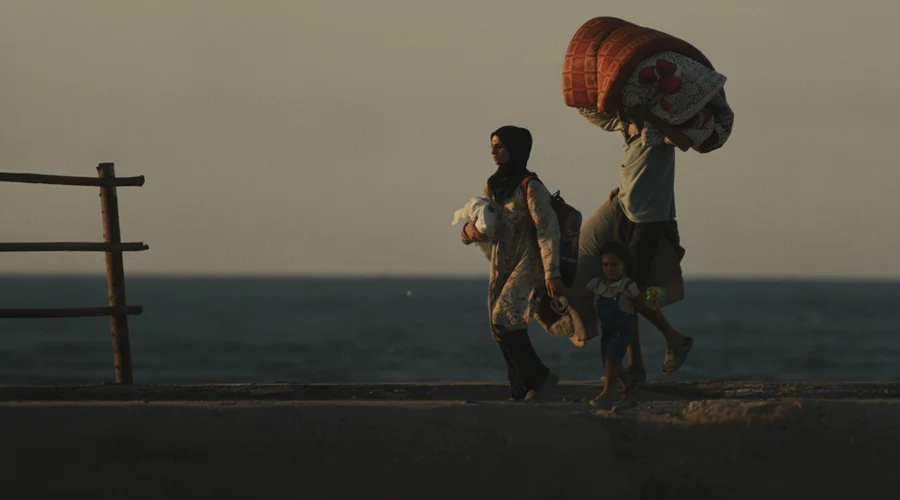
Global Displacement Sees First Decline in a Decade: What Led to Millions Returning Home?
 world
world
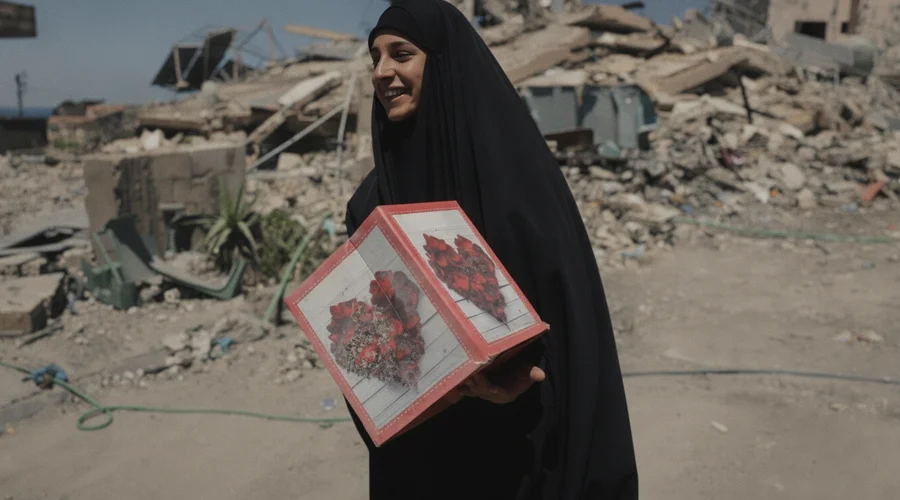
Iran Urges US to Ensure Israeli Compliance with Lebanon Ceasefire Amid Regional Tensions
 world
world
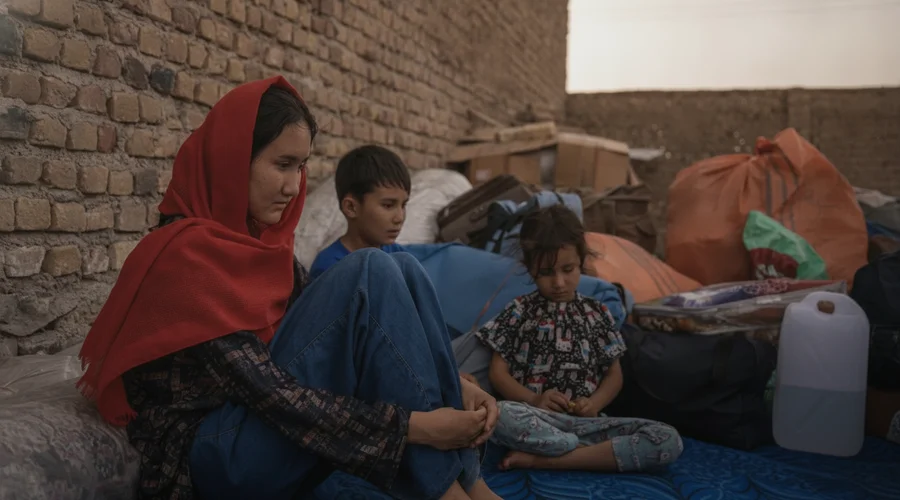
The Long Road Home: Examining the Surge in Refugee Returns Amidst Lingering Challenges
 world
world