
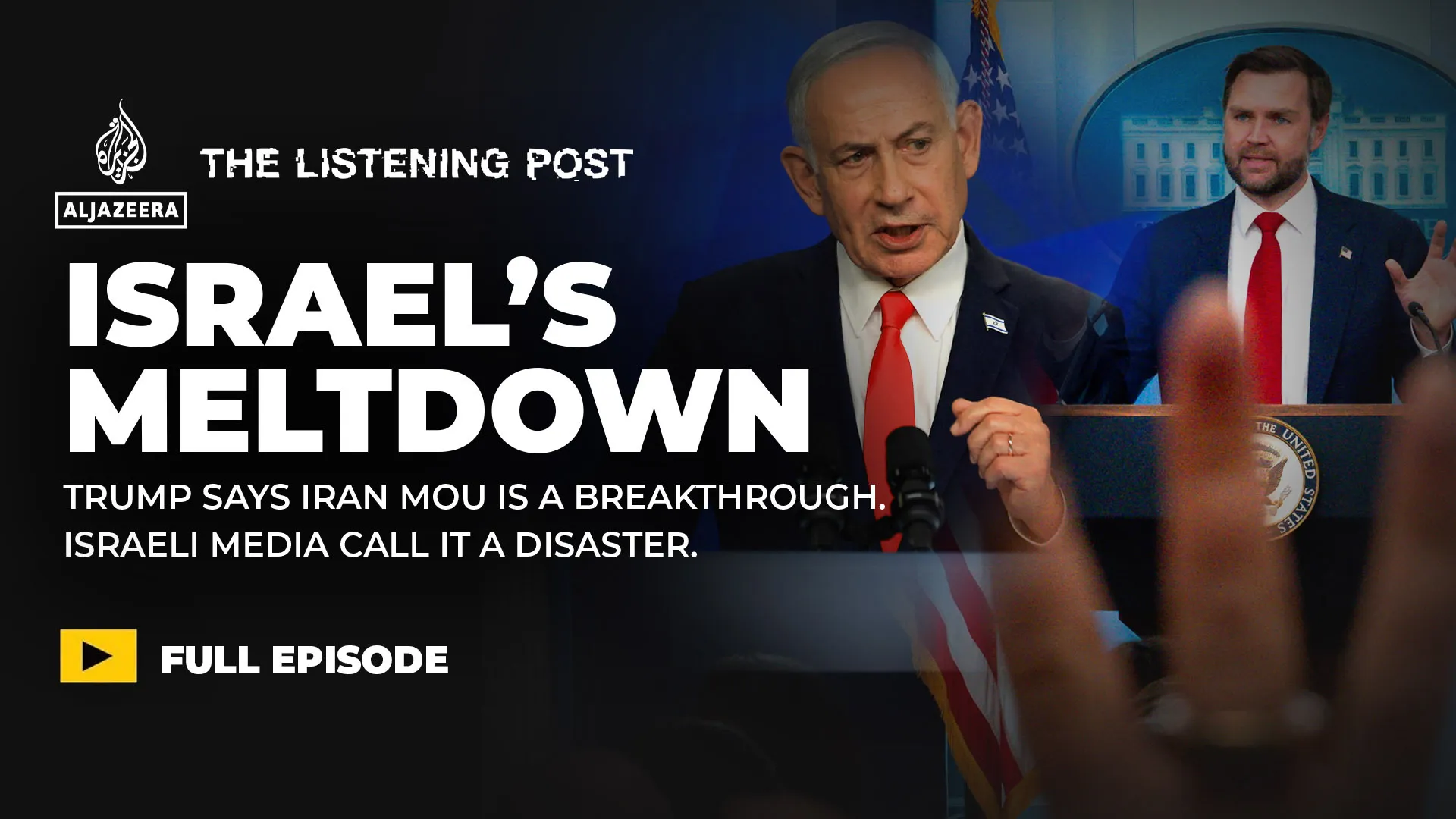
The Iran Agreement: A Diplomatic Divide
A recent understanding reached regarding Iran has elicited markedly different responses from key international actors. The United States has characterized the agreement as a significant diplomatic breakthrough, emphasizing its potential to foster stability and address ongoing concerns. Conversely, media outlets in Israel have widely portrayed the development as a catastrophic outcome, signaling deep apprehension within the nation's political and security establishments. This divergence in perception highlights the complex geopolitical dynamics at play and the varied interpretations of the agreement's implications.
The current phase is particularly critical, as a 60-day window has been established to transform the preliminary memorandum into a more enduring and comprehensive accord. This period is expected to involve intensive negotiations and diplomatic efforts as stakeholders work to define the specific terms and mechanisms of the agreement. The differing viewpoints from Washington, Tel Aviv, and Tehran underscore the delicate balance required to navigate these discussions, with each capital approaching the situation from its own strategic perspective and set of priorities.
Washington's Stance: Championing Diplomacy
From the U.S. perspective, the agreement represents a testament to sustained diplomatic engagement and a commitment to resolving complex international challenges through negotiation rather than confrontation. Proponents in Washington argue that the deal offers a structured framework to manage aspects of Iran's activities, potentially de-escalating regional tensions and preventing proliferation. The emphasis is on the potential for this diplomatic pathway to yield long-term benefits for international security, presenting it as a carefully crafted solution designed to address specific concerns while keeping channels of communication open.
Israel's Reaction: Concerns of Betrayal and Disaster
In sharp contrast, the narrative emerging from Israel is one of profound alarm. Israeli media outlets have frequently used strong language, labeling the agreement a 'disaster' and expressing sentiments of 'betrayal.' These reactions stem from long-standing security concerns regarding Iran's regional influence and its nuclear program. Many in Israel view any agreement that does not fully dismantle perceived threats as insufficient and potentially dangerous. The perception is that the deal might not adequately safeguard Israel's security interests, leading to a sense of vulnerability and a strong pushback against its terms.
Tehran's Position: Prudence and Vigilance
Meanwhile, Tehran has maintained a more guarded posture. While engaging in the diplomatic process, Iran has consistently emphasized its sovereign rights and interests. The country's leadership and media have adopted a cautious tone, indicating that while they are participating in the agreement's development, they remain vigilant and prepared to protect their national interests. This approach suggests a readiness to engage but also a determination to ensure that any final agreement respects Iran's red lines and strategic objectives, reflecting a careful balance between engagement and self-preservation.
Beyond the Iran Agreement: Other Notable Developments
While the Iran agreement dominates headlines, other significant global events are also unfolding. The 2026 FIFA World Cup, for instance, is currently underway, marking what is anticipated to be the largest iteration of the tournament in history. As the event progresses, organizers are maximizing media and commercial opportunities. However, reports of visa denials and detainments in a host country have drawn international attention, adding a layer of complexity to the narrative surrounding the global sporting spectacle. This highlights the multifaceted challenges associated with organizing such large-scale international events, where logistical and political considerations often intersect.
Another topic gaining considerable traction is the widespread impact of Ozempic. Originally developed as a treatment for diabetes, the medication has garnered significant cultural prominence due to its notable weight-loss effects. Fueled by endorsements from celebrities and extensive advertising campaigns, Ozempic's rise has spurred a reevaluation of narratives surrounding health, body image, and beauty in media. This phenomenon reflects broader societal trends and the powerful influence of both medical advancements and popular culture in shaping public perceptions of well-being and aesthetics. The discussions around Ozempic often involve various perspectives, including those from medical professionals, public health experts, and individuals with lived experiences, contributing to a nuanced understanding of its societal implications.
These diverse global developments—from complex international diplomacy to major sporting events and evolving health narratives—collectively illustrate the dynamic and interconnected nature of contemporary global affairs. Each story, in its own way, contributes to a broader understanding of the challenges and transformations shaping the world today.
Related Articles
 world
world
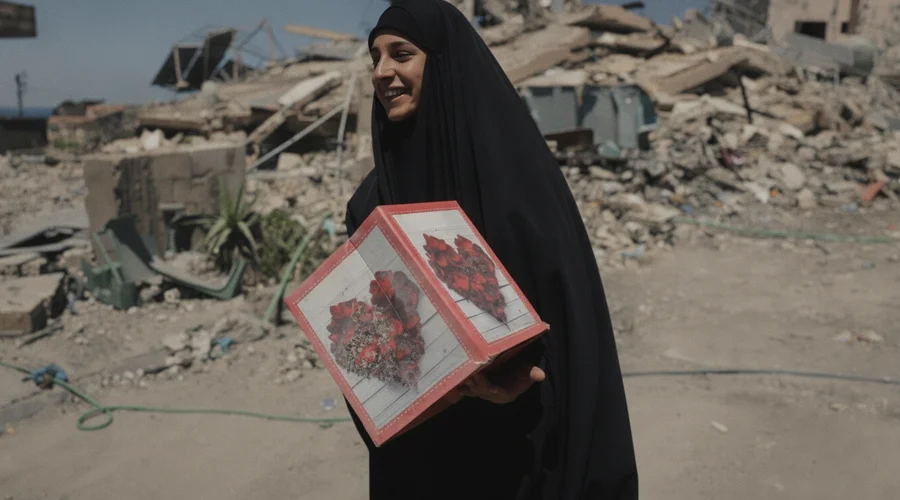
Global Displacement Sees First Decline in a Decade: What Led to Millions Returning Home?
 world
world
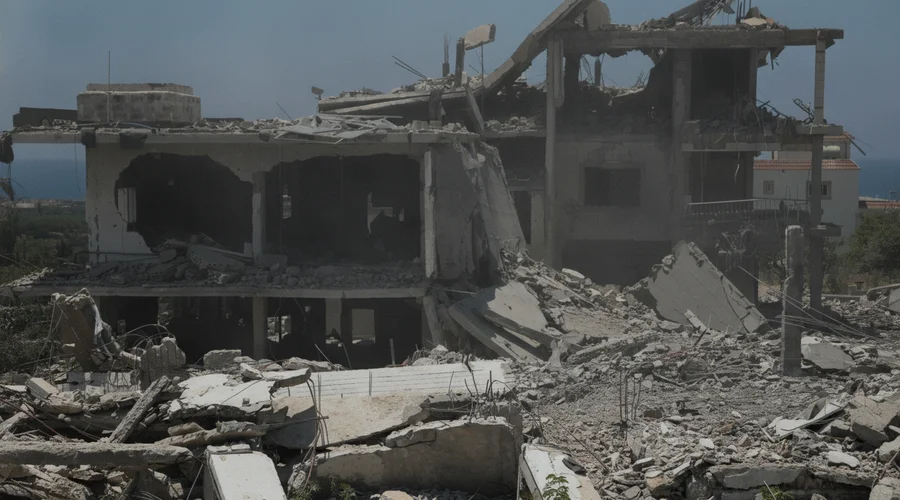
Iran Urges US to Ensure Israeli Compliance with Lebanon Ceasefire Amid Regional Tensions
 world
world
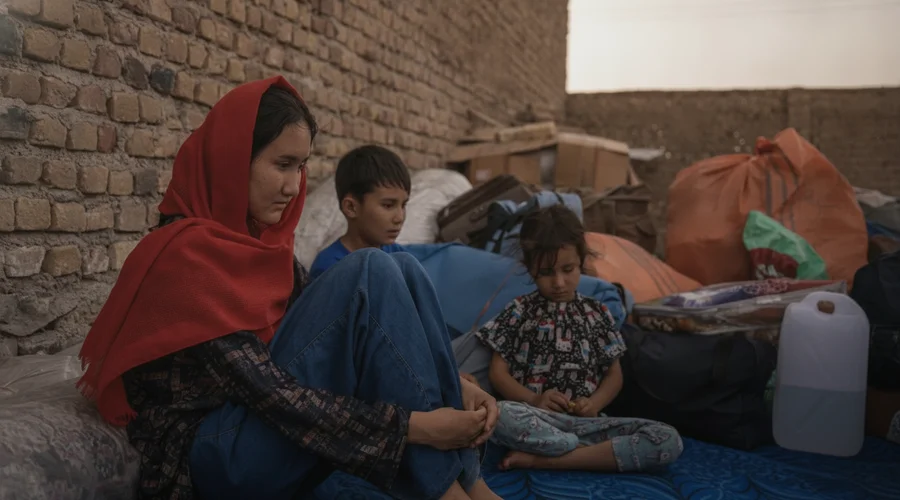
The Long Road Home: Examining the Surge in Refugee Returns Amidst Lingering Challenges
 world
world