
Recent Developments in US-Iran Confrontation
The Middle East has witnessed a significant escalation in military actions between Iran and the United States, marked by a series of tit-for-tat strikes across the Gulf. These exchanges have intensified over the past week, with both sides targeting military installations and infrastructure, leading to heightened regional instability.
Iranian Retaliatory Operations
Iran's Islamic Revolutionary Guard Corps (IRGC) recently conducted a fresh wave of strikes, reportedly targeting American military assets and related infrastructure in several Gulf nations. These actions were presented as a direct response to preceding US attacks, indicating a deepening cycle of retaliation.
Targets in Oman, Bahrain, and Kuwait
- Oman: The IRGC claimed to have engaged and neutralized specific radar systems in Oman, including what it described as a long-range aerial radar and a vessel detection radar.
- Bahrain: Missile and drone attacks were reportedly launched against US military installations and infrastructure located in Juffair, Bahrain. The Bahraini Ministry of Interior confirmed the sounding of air raid sirens and advised residents to seek shelter, noting earlier IRGC claims of targeting facilities at Sheikh Isa Air Base.
- Kuwait: Iran stated it struck a US surface-to-surface missile base in Kuwait, asserting the destruction of two HIMARS (High Mobility Artillery Rocket Systems) launchers and associated ammunition depots. Kuwait's military had previously reported intercepting 'hostile aerial targets' within its airspace, attributing explosions to these defensive operations.
Engagement in Jordan
Jordanian authorities reported intercepting four missiles originating from Iranian territory. The IRGC, for its part, stated that it had targeted Jordan's Prince Hassan Air Base with missiles and drones, alleging damage to fuel and ammunition storage facilities.
US Military Responses Against Iran
Concurrently, the United States Central Command (CENTCOM) confirmed conducting its own military operations against Iranian targets. These strikes were described as precision-guided attacks aimed at diminishing Iran's capacity to disrupt international shipping, particularly through the Strait of Hormuz.
Specific Iranian Targets
CENTCOM's operations reportedly targeted various Iranian military assets, including air-defense systems, coastal radar sites, missile and drone capabilities, and small naval vessels. The US military utilized a range of assets for these strikes, including fighter aircraft, naval vessels, and both aerial and sea-based one-way attack drones.
Impact in Khuzestan Province
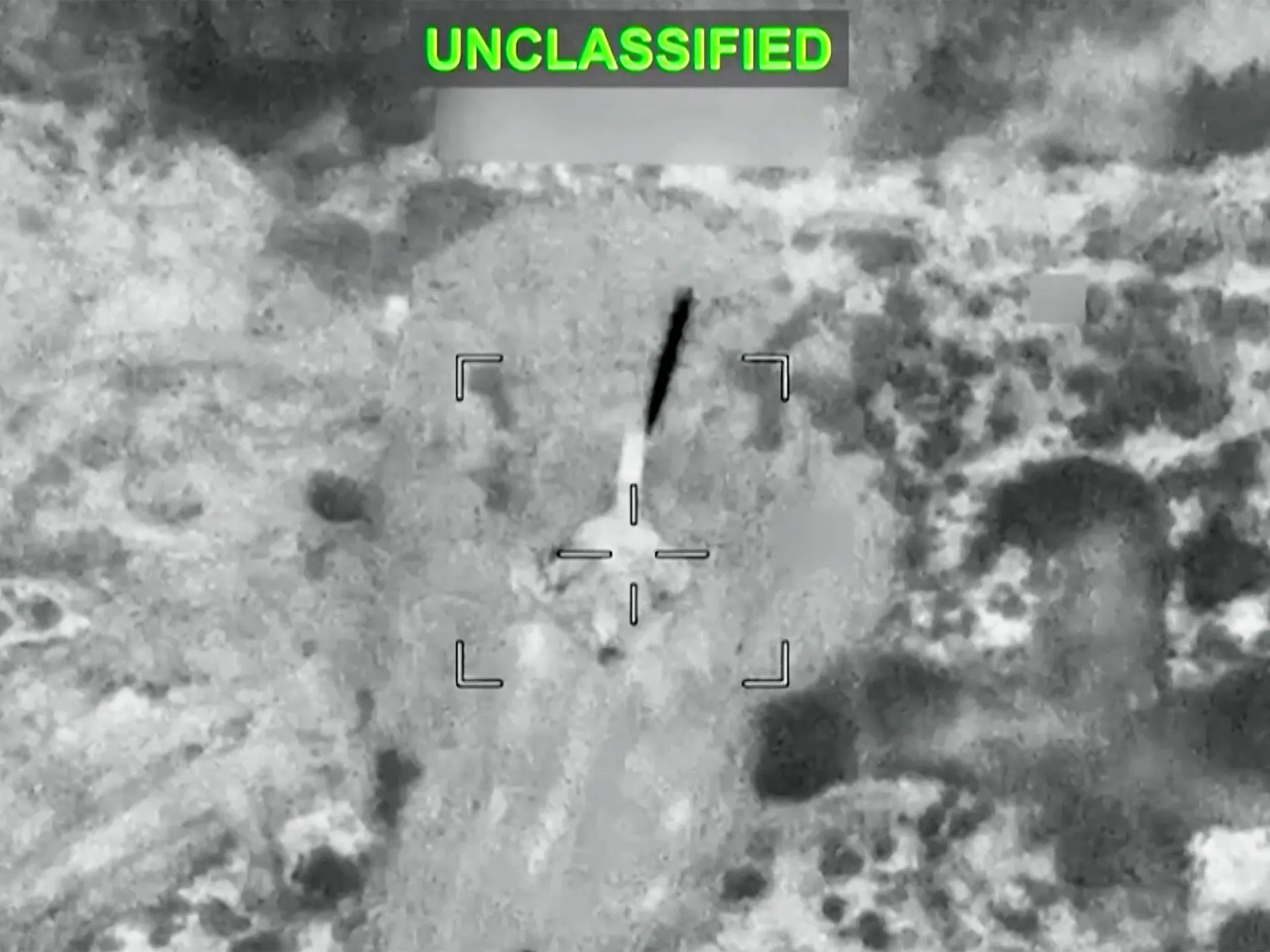
On the Iranian side, reports from Valiollah Hayati, deputy governor of Khuzestan province, indicated that US forces had attacked at least eight locations across the province. One incident in Mahshahr resulted in a fatality and four injuries when a projectile struck an agricultural water-pumping station. Furthermore, Iran's Tasnim News Agency reported the downing of a US-manufactured LUCAS (low-cost uncrewed combat attack system) suicide drone near Bandar Abbas, a strategic city on the Strait of Hormuz.
Official Statements and Diplomatic Stances
Following the recent exchanges, both nations have issued statements reflecting their positions. The Iranian Ministry of Foreign Affairs condemned the US strikes on its territory. US President Donald Trump, in a television appearance, reiterated that the Strait of Hormuz remained open. He also commented on previous negotiations with Iran, describing a breakdown in a potential agreement and subsequent Iranian actions.
Chronology of Renewed Conflict
The current escalation follows a series of events that reignited the conflict. On July 6, the IRGC attacked three commercial vessels near Oman, citing unauthorized passage through the Strait of Hormuz based on its interpretation of a June memorandum of understanding (MoU) with the US. The US responded the following day with strikes on Iranian military targets, which then prompted further Iranian missile and drone attacks on US-affiliated bases in the Gulf. Subsequently, President Trump declared the MoU nullified, and the IRGC announced the closure of the Strait of Hormuz once more.
Implications for Maritime Traffic in the Strait of Hormuz
The renewed hostilities have had a noticeable impact on maritime activities. Shipping data indicates a significant reduction in the number of vessels transiting the Strait of Hormuz, reaching its lowest point in five weeks. On a recent Sunday, only six ships passed through the strait, including tankers carrying Iranian oil and Kuwaiti petroleum products, alongside empty tankers entering to load cargo. This reduction underscores the immediate economic and logistical consequences of the ongoing military tensions.
Source: Original Article
Related Articles
 world
world
Israeli Army Unveils Footage of Subterranean Tunnels Beneath Lebanon's Beaufort Castle
 world
world
Elderly Palestinian Recounts Assault by Israeli Settlers in West Bank
 world
world
Escalating Tensions: Iran Targets US Military Installations in Middle East
 world
world