Introduction to the Situation in the DRC
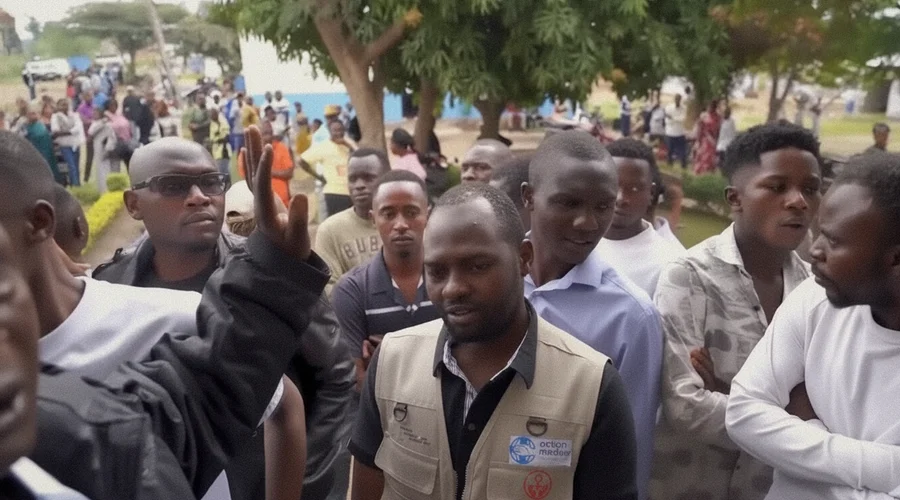
In a critical development within the Democratic Republic of Congo (DRC), numerous healthcare workers have initiated industrial action, significantly impacting operations at an Ebola treatment center. This strike stems from deep-seated frustrations among medical personnel regarding persistent issues of unpaid wages and what they describe as substandard safety conditions. The cessation of work by these essential frontline responders comes at a particularly precarious time, as the nation continues to grapple with an ongoing Ebola outbreak, highlighting the complex interplay between public health emergencies and the welfare of those tasked with addressing them.
Core Grievances of Striking Workers
The primary catalysts for the strike are two-fold: a consistent failure to disburse salaries to healthcare professionals and concerns over the safety protocols and equipment available to them. Reports indicate that some workers have been operating for several months without receiving their due compensation, a situation that has become unsustainable for many. This financial instability not only creates severe personal hardship but also undermines morale and the ability of these individuals to focus fully on their demanding roles. The dedication required to combat a highly infectious and often fatal disease like Ebola is immense, and the expectation of fair remuneration for such hazardous work is a fundamental right.
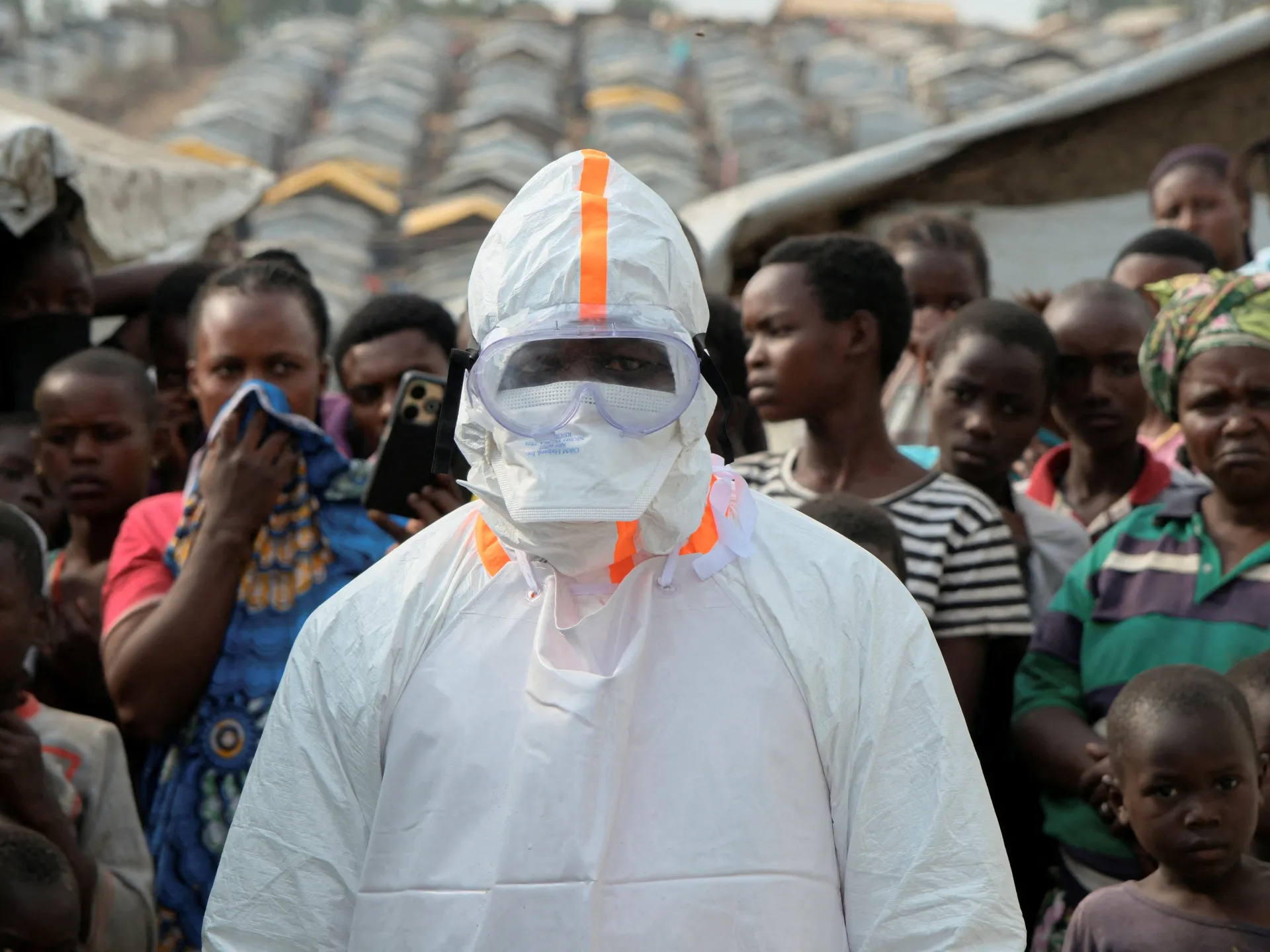
Beyond monetary issues, the safety of healthcare workers in an Ebola environment is paramount. These professionals are at the highest risk of exposure to the virus, necessitating stringent safety measures, including proper personal protective equipment (PPE), rigorous training, and robust infection control protocols. Any perceived lapses in these areas can understandably lead to fear and a reluctance to continue working under potentially life-threatening conditions without adequate protection. The strike, therefore, serves as a stark reminder of the sacrifices made by healthcare workers and the critical need to ensure their well-being and security.
Impact on Ebola Response Efforts
The decision by healthcare workers to strike has immediate and severe implications for the DRC's efforts to contain and ultimately eradicate the current Ebola outbreak. Ebola treatment centers are the linchpin of any effective response, providing isolation, critical care, and contact tracing services. A reduction in staffing, particularly of experienced personnel, can severely hamper the capacity of these centers to manage new cases, monitor existing patients, and prevent further transmission within communities. The continuity of care for Ebola patients is vital, as early and consistent intervention can significantly improve survival rates. Disruptions caused by the strike could lead to a decline in the quality of care, potentially increasing mortality and the spread of the disease.
Furthermore, the strike could erode public trust in the healthcare system and the overall Ebola response. When frontline workers feel compelled to resort to such measures, it can send a message of instability and inefficiency, which might deter individuals from seeking care or cooperating with public health initiatives. Community engagement is a crucial component of any successful outbreak response, and any factor that undermines this engagement can have detrimental effects on containment strategies.
Historical Context of Challenges in the DRC
The challenges faced by healthcare workers in the DRC are not isolated incidents but rather reflective of broader systemic issues that have historically plagued the nation's health infrastructure. The DRC has endured numerous outbreaks of Ebola and other infectious diseases, often compounded by political instability, economic hardship, and insufficient investment in public health. These persistent issues create a fragile environment where healthcare systems are frequently stretched to their limits, and the welfare of medical staff can sometimes be overlooked amidst the urgency of crisis management.
The current strike underscores the imperative for sustainable solutions that address both immediate and long-term needs. This includes establishing transparent and reliable payment mechanisms for all healthcare personnel, ensuring consistent access to high-quality safety equipment, and fostering a supportive work environment. The international community, often involved in supporting Ebola responses in the DRC, also plays a role in advocating for and helping to implement these fundamental improvements.
Moving Forward: The Need for Dialogue and Resolution
To mitigate the adverse effects of the strike on the Ebola response, urgent and constructive dialogue between the striking healthcare workers, hospital administrations, and government authorities is essential. A swift resolution that addresses the legitimate grievances of the workers is paramount. This would likely involve commitments to settle outstanding salaries, assurances of improved safety measures, and potentially the establishment of mechanisms to prevent similar situations from arising in the future. The health and safety of both the healthcare providers and the communities they serve are inextricably linked. Only by valuing and protecting its frontline responders can the DRC hope to effectively combat public health crises like Ebola and build a more resilient healthcare system for the future.
Source: Original Article