Rebirth of Essential Healthcare Services
In Sudan's capital, Khartoum, a crucial aspect of healthcare has begun to re-emerge: maternity services. Following extensive closures due to years of armed conflict, hospitals in cities such as Omdurman and Bahri are once again providing care for expectant mothers. This reopening, while a beacon of hope, is set against a backdrop of enduring economic and logistical difficulties that continue to affect both patients and healthcare providers.
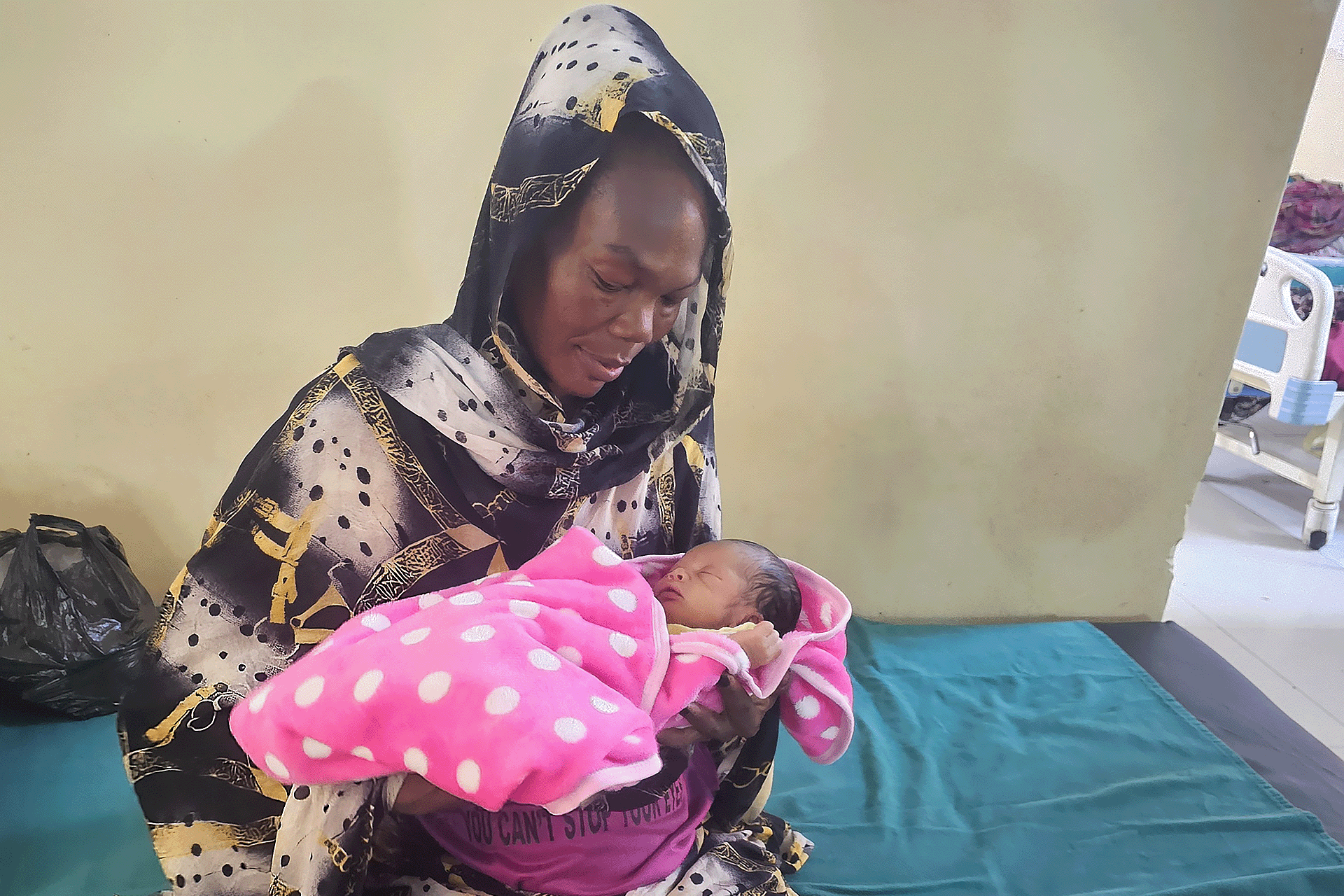
The Omdurman Maternity Hospital, affectionately known as Al-Dayat or 'Midwives,' has restarted its operations, welcoming women who previously faced immense challenges in accessing safe birthing facilities. For many, like Al-Toma Jabara from East Nile, the resumption of these services signifies a profound shift. Jabara, who recently gave birth to her daughter Doaa at the hospital, shared that the conflict had prevented her from conceiving for two years, largely due to her separation from her husband and the constant threat of bombardment in her home. She described Doaa's birth as a "new beginning" after a period marked by fear and deprivation.
Another mother, Fatima Abdel Rahman from Al Jazirah state, recounted the arduous and costly journey she undertook to reach Bahri Hospital in Khartoum. Her family bore significant expenses for transportation and temporary accommodation near the facility to ensure her post-delivery care. Abdel Rahman also highlighted the prevalent shortage of medications, necessitating the purchase of essential drugs from external pharmacies at inflated prices, thereby escalating her financial burden. Despite these difficulties, she expressed immense relief and a vital sense of safety from having access to a functioning maternity ward, a stark contrast to the constant dread of medical neglect she experienced during the war.
Rebuilding a Fractured Health Sector
The conflict had a devastating impact on Sudan's healthcare infrastructure, particularly specialized maternity hospitals. Their closure forced many women into high-risk home births or arduous, long-distance travel for medical attention, leading to a dramatic increase in maternal and infant complications and mortality rates. An official from the Khartoum State Ministry of Health, who chose to remain anonymous, confirmed these tragic statistics, noting that the rates are now showing a gradual decline as services are restored.
The health ministry has been instrumental in this recovery effort, having repaired and reopened 15 maternity wards across the capital, including key facilities like Al-Dayat and the Saudi Hospital. This concerted effort has led to a notable surge in birth registrations, with approximately 7,000 new deliveries now being recorded monthly across the capital's hospitals.
Emad Abdullah, the director of Omdurman Maternity Hospital, illustrated the rapid increase in demand. Upon its reopening, the hospital initially attended to only one or two cases daily. Today, that number has escalated significantly, with approximately 60 births occurring each day. The hospital is well-equipped with critical departments, including a caesarean section unit, an intensive care unit, and a neonatal department featuring around 140 incubators, making it the largest in Sudan.
Ongoing Challenges: Costs, Logistics, and Staff Shortages
Despite the progress, the cost of maternity care remains a significant concern for many families. At government hospitals, a natural birth typically costs around 130,000 Sudanese pounds (approximately $216), while a C-section can cost about 400,000 pounds (approximately $666). These figures are substantially higher in private institutions, where a natural birth can reach 500,000 pounds (around $813), and C-sections range from 600,000 to 800,000 pounds ($999 to $1,322), depending on the services provided.
Beyond financial strain, geographical and logistical hurdles persist. Patients from more distant regions, such as Al Jazirah and Kordofan, must undertake exhausting journeys and incur exorbitant transportation costs to reach the reopened facilities in Khartoum, Omdurman, and Bahri. Within the hospitals themselves, a shortage of basic medicines is common, and emergency rooms frequently operate beyond their intended capacity.
The conflict also triggered a significant exodus of skilled medical professionals, including doctors and nurses, creating a critical staffing deficit that hampers service delivery. Furthermore, essential medical equipment requires consistent maintenance to meet the escalating demands.
Amira Othman Abdel Majeed, an infection control officer at Bahri Hospital, reflected on the war's profound impact on the healthcare sector, citing severe shortages of vital supplies, electricity, and water. This scarcity imposed immense psychological pressure on medical staff, who constantly feared losing mothers and children under their care. However, she noted that the "liberation of Khartoum" and the subsequent resumption of maternity services have dramatically transformed the landscape. Medical personnel have emerged with enhanced resilience, and the ongoing provision of medical care stands as a powerful symbol of the capital's recovering health sector.
Source: Original Article