
Ebola Crisis in Eastern DRC: A Prolonged Battle Ahead
The Ebola epidemic gripping the eastern region of the Democratic Republic of Congo (DRC) is far from over, with the International Federation of Red Cross and Red Crescent Societies (IFRC) indicating that the situation is likely to worsen before any improvement. Experts suggest that the outbreak, which began over a month ago, could extend for another year, posing significant challenges to health organizations and local communities.
Bruno Michon, operations manager for the IFRC, conveyed a sober assessment from eastern DRC, stating, "The peak is, I think, not behind us, but in front of us." Speaking to reporters via videolink, Michon expressed concerns about the longevity of the crisis. "We are afraid that this could last one year, to end this disease," he remarked, highlighting the immense difficulty in accurately gauging the full scope and pace of the virus's dissemination across the vast and often remote areas of the country.
The Current Toll and Challenges in Containment
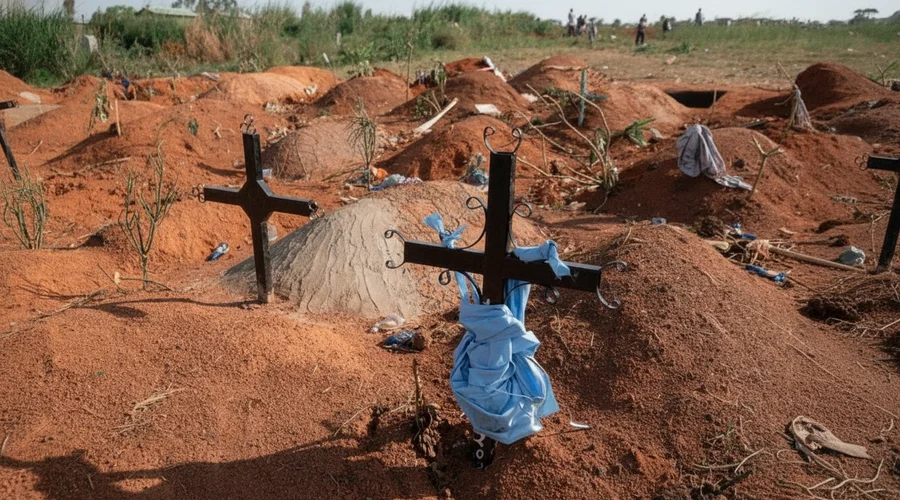
The current outbreak is attributed to the rare Bundibugyo strain of Ebola, which has already claimed the lives of 192 individuals in the DRC. Government data indicates a rapid spread of the disease across three provinces. Ebola is notoriously virulent, transmitted through bodily fluids, and can even be infectious after death, making safe burial practices critically important for containment efforts.
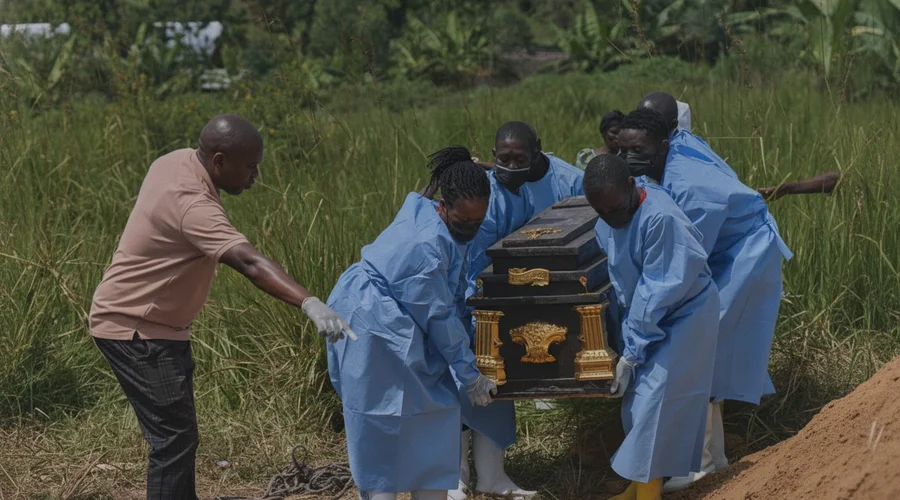
However, efforts by Red Cross and Red Crescent teams, who are instrumental in community engagement and conducting safe burials, have been met with significant resistance. Michon reported incidents of verbal abuse, threats, and even physical attacks against aid workers in recent days. This resistance underscores a pervasive challenge in public health crises: building trust. "Building trust takes time. It requires honesty, patience, and humility, but in this outbreak it is not optional; it is life-saving," Michon emphasized, pointing to the crucial role of community cooperation in mitigating the spread of the virus.
Uncertainty Surrounds the Epidemic's True Scale
One of the most pressing concerns for health officials is the lack of a clear understanding regarding the true scale of the outbreak. Despite being declared more than a month ago, the precise extent of the virus's reach remains elusive. Kate White, an emergency medical coordinator for Doctors Without Borders (MSF), articulated this uncertainty, stating, "No one knows the true scale or exactly where the disease is spreading in DRC."
An official statement from MSF further highlighted that diagnostic testing continues to be a major vulnerability in the overall response strategy. The ability to accurately and widely test for the virus is fundamental to identifying cases, tracing contacts, and implementing effective isolation measures to prevent further transmission.
Data Harmonization and Hidden Casualties
Beyond testing limitations, a senior Congolese public health official, who chose to remain anonymous, shed light on an even broader issue impacting the response: data management. The official revealed that harmonizing data from various sources—including laboratories, hospitals, treatment centers, and epidemiological surveillance teams—presents an formidable challenge. This fragmentation often leads to inaccuracies and distortions in reported figures, affecting both undercounting and overcounting of cases.
For instance, some cases might be overcounted if patients move between different health zones and undergo multiple tests. Conversely, a more concerning issue is the likelihood of undercounting, as many individuals succumb to the virus within their communities without ever coming to the attention of health authorities. This 'hidden' mortality makes it exceedingly difficult to grasp the true magnitude of the epidemic and allocate resources effectively. The official also indicated a belief that the virus may have been circulating as early as February, suggesting a longer incubation period and potentially wider spread than initially perceived.
The confluence of community mistrust, logistical hurdles in data collection, and the inherent difficulties in tracking a highly contagious disease in a complex environment means that the DRC's battle against Ebola is set to be a protracted and challenging endeavor. International and local organizations continue to work tirelessly, but the path to containment appears long and fraught with obstacles.
Source: Al Jazeera
Related Articles
 health
DRC Ebola Outbreak Intensifies Amidst Conflict and Containment Challenges
 health
US Preparedness for Ebola Amid World Cup: A Comprehensive Overview
 health
Gaza Faces Health Crisis as Molokhia Becomes a Toxic Tobacco Substitute
 health