
National Grid Collapse Affects Millions
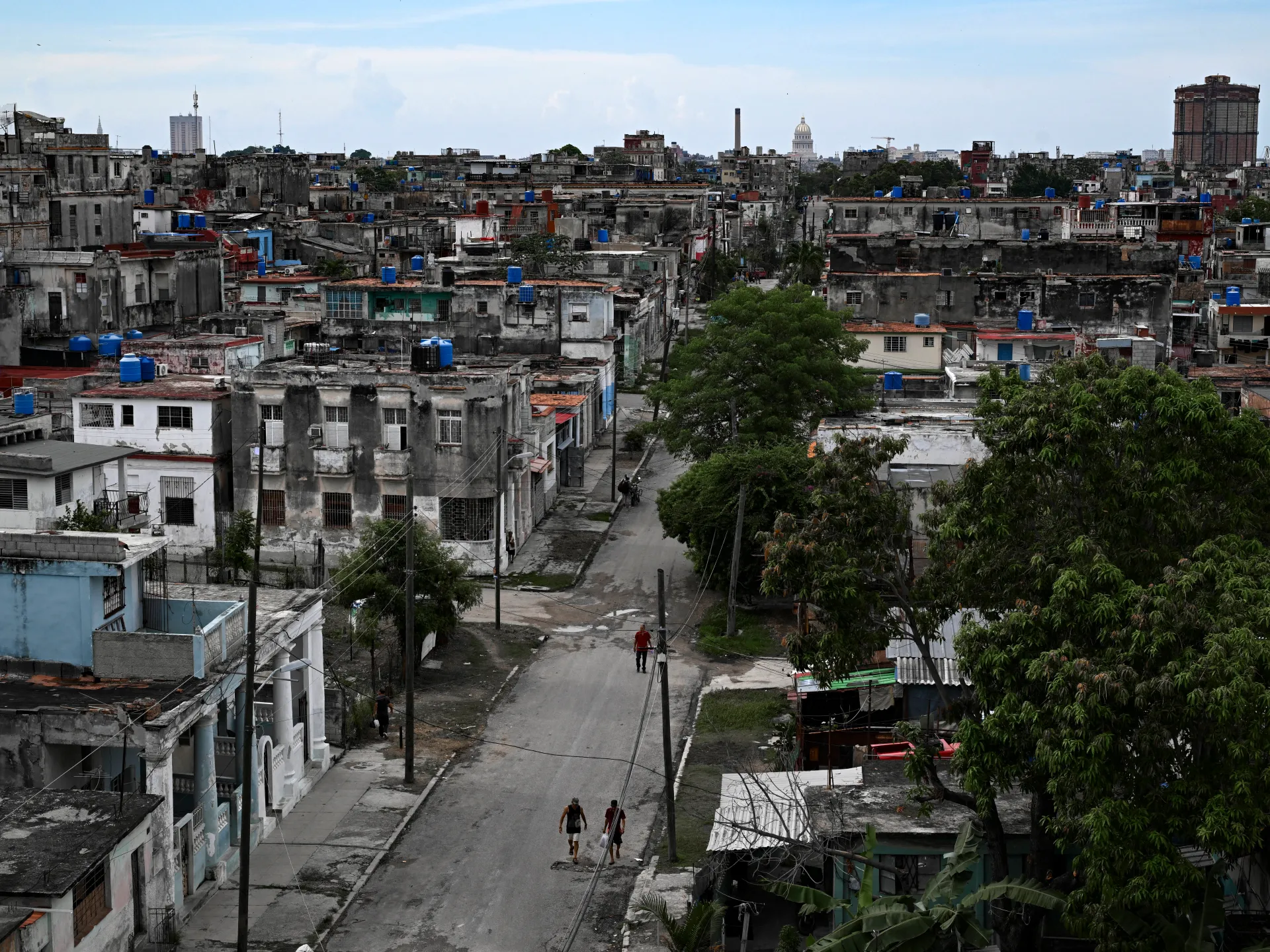
Cuba has recently experienced a nationwide power outage, marking the third such incident since the beginning of the year. This event underscores a severe energy crisis on the island, characterized by dwindling fuel reserves and a deteriorating electrical infrastructure. The state-run Electric Union, known as UNE, confirmed the blackout on Monday, affecting the country's population of nearly 10 million people, and stated that an investigation into the cause is underway.
The recurring power failures are deeply intertwined with the nation's broader economic challenges, which officials often link to the protracted U.S. embargo. This complex situation has led to significant disruptions in daily life and essential services across the island.
Official Response and Operational Challenges
Following the widespread outage, Cuba’s Energy and Mines Minister, Vicente de la O Levy, confirmed that protocols were swiftly activated to commence the restoration of electricity. He emphasized that critical services, including hospitals and food production centers, were prioritized for power supply amidst the challenging circumstances. The minister specifically highlighted the impact of what he described as an "energy blockade" on the country's ability to maintain a stable power grid.
Despite these efforts, UNE reported that by late afternoon on the day of the blackout, only a minimal fraction – approximately one percent – of Havana's electricity demand could be met. This illustrates the profound difficulties faced by the grid operator in rapidly restoring power to the capital and, by extension, to other affected regions.
Impact of Sanctions on Fuel Supply
Cuba's energy struggles predate recent events, but they have been significantly exacerbated by policy shifts from the United States. Specifically, actions taken by the administration of former U.S. President Donald Trump, which included halting oil deliveries from Venezuela to the island and threatening tariffs on any nation supplying oil to Cuba, have intensified the island's financial difficulties. These measures are part of a broader sanctions campaign aimed at pressuring the Cuban government, now in its seventh decade.
Since January of the current year, only one oil tanker, originating from Russia, has reportedly been permitted to bypass the U.S. sanctions and deliver oil to Cuba. This restriction on fuel imports has had a direct and severe impact on the country's energy infrastructure, leading to more frequent and prolonged power cuts.
Political Rhetoric and Public Hardship
Cuban President Miguel Díaz-Canel has publicly accused the United States of attempting to "incite social unrest by strangling Cuba’s fuel supply." He commended the efforts of electrical workers, describing their actions as "heroic" in the face of what he termed a "genocidal energy blockade."
This latest nationwide blackout is the eighth recorded on the island of 9.6 million people since late 2024. In an attempt to conserve what little fuel is available, the state has been implementing scheduled power cuts across the country. These cuts have been substantial, with some areas of Havana experiencing over 30 consecutive hours without electricity, and certain rural regions enduring more than 70 hours. Such measures underscore the severe operational challenges facing the national power grid.
The impact on ordinary citizens is profound. Meyboll Font, a 51-year-old self-employed social media community manager residing in Havana, described her experience to AFP news agency as "agony." She noted that her neighborhood typically receives power for only "three or four hours a day," but that the recent nationwide blackout was particularly distressing due to the uncertainty of when electricity would be restored. This sentiment reflects the widespread frustration and hardship experienced by the Cuban populace as they navigate the ongoing energy crisis.
Source: Original Article
Related Articles
 world
world
Mali Receives Russian Military Aid Amidst Northern Insurgency
 world
world
Tanker Ablaze in Strait of Hormuz Following Projectile Strike
 world
world
Gaza Enters 1,000th Day of Conflict Amidst Escalating Humanitarian Crisis and Political Shifts
 world
world