
Context of the Conflict in Mali
Mali, a West African nation, has been grappling with a complex and multifaceted security crisis for over a decade. The instability largely stems from a 2012 coup, which created a power vacuum that allowed Tuareg separatists and various Islamist militant groups to gain significant ground in the northern parts of the country. Despite international interventions and peace agreements, the security situation has remained volatile, with extremist groups expanding their reach and intensifying their attacks on both civilian populations and government forces. The conflict has resulted in widespread displacement, humanitarian crises, and a significant loss of life, further destabilizing the already fragile Sahel region.
The northern regions of Mali, characterized by vast desert landscapes and sparse populations, have become a stronghold for groups such as Al-Qaeda-linked militants and various Tuareg separatist factions. These groups often exploit local grievances, ethnic tensions, and the state's limited presence to recruit members and establish control. Their activities include armed attacks, ambushes, and the imposition of their own interpretations of law, significantly hindering governance and development efforts in the affected areas. The Malian military, despite receiving training and support from various international partners, has struggled to effectively contain these threats across the country's expansive territory.
Recent Developments in Northern Mali
Reports indicate that in recent times, the intensity of the insurgency in northern Mali has escalated, with rebel groups reportedly laying siege to several key areas. These actions pose a direct challenge to the authority of the Malian transitional government, which came to power through a military coup. The increased pressure from these groups has raised concerns about the potential for further destabilization and the collapse of government control in some regions. The strategic importance of these northern areas, which often serve as transit routes and resource-rich territories, makes their control a critical objective for both the government and insurgent forces.
The tactics employed by the insurgent groups typically involve a combination of conventional attacks on military bases and outposts, as well as asymmetric warfare, including improvised explosive devices (IEDs) and hit-and-run operations. These tactics are designed to wear down government forces, disrupt supply lines, and undermine public confidence in the state's ability to provide security. The humanitarian consequences of these sieges are often severe, with local populations facing restrictions on movement, limited access to essential services, and increased vulnerability to violence.
Russia's Military Assistance to Mali
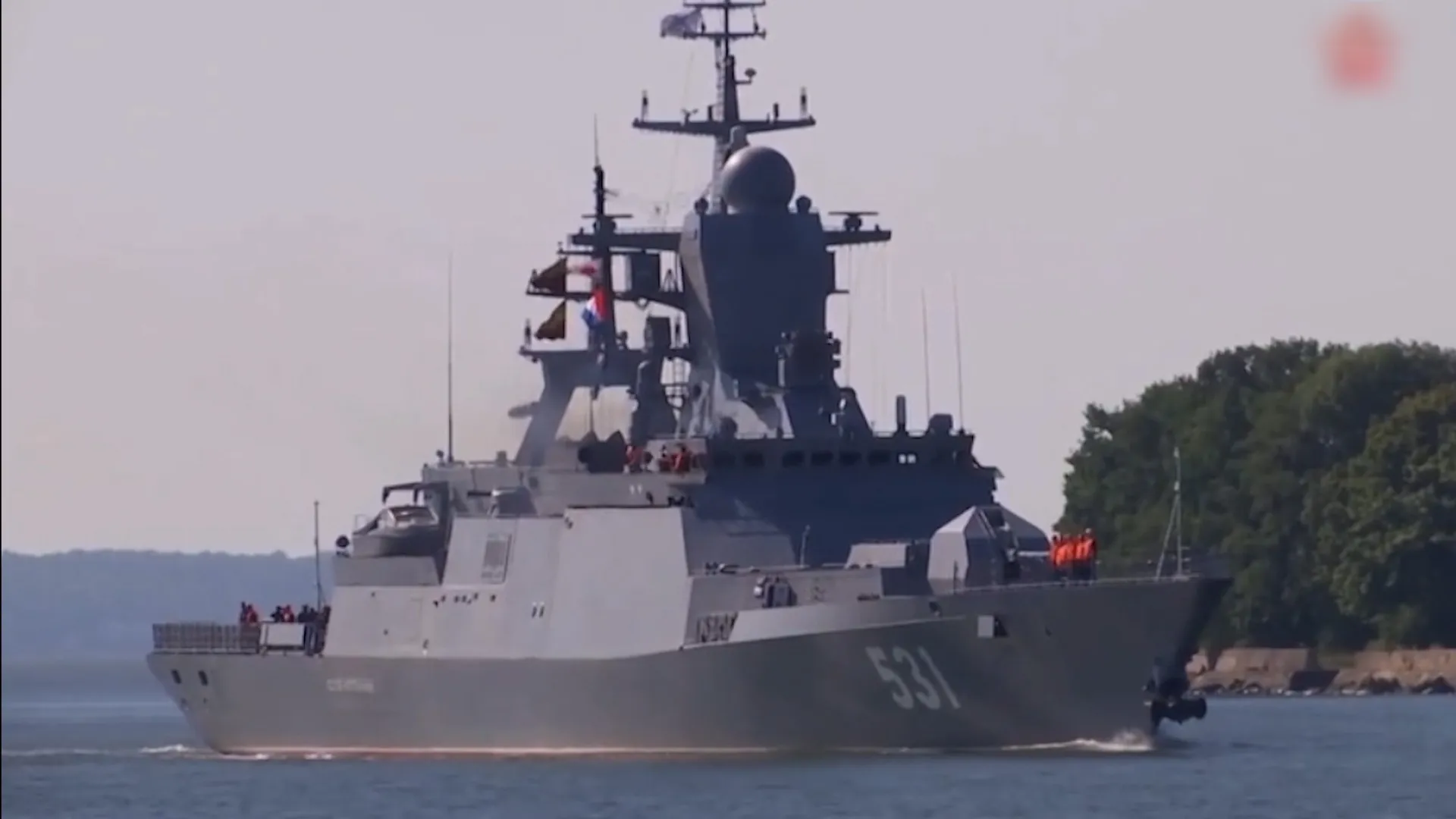
In response to the escalating security challenges, the Malian government has reportedly sought and received military support from the Russian Federation. This assistance, which includes the delivery of weapons, is intended to bolster the capabilities of the Malian armed forces in their efforts to counter the rebel advance and maintain territorial integrity. A Russian naval vessel was reportedly involved in transporting these military supplies, signaling a direct and significant level of engagement from Moscow in the Malian conflict.
The provision of military hardware from Russia is part of a broader strengthening of ties between the two nations, particularly in the security sector. This collaboration has become increasingly prominent following the withdrawal of French forces from Mali and the Malian government's pivot towards new international partners. The nature of the weapons supplied typically includes a range of armaments suitable for counter-insurgency operations, such as small arms, ammunition, and potentially more advanced military equipment designed to enhance the Malian military's combat effectiveness and logistical capacity.
Implications of Russian Involvement
The increased Russian involvement in Mali's security sector carries several implications, both for Mali itself and for the broader geopolitical landscape of West Africa. For Mali, the military aid is aimed at preventing the collapse of the military junta and providing it with the necessary tools to confront the entrenched insurgencies. This support could potentially alter the balance of power on the ground, enabling Malian forces to launch more effective counter-offensives and secure areas currently under threat.
However, the deepening of security ties with Russia also raises questions about the long-term impact on Mali's international relations and its approach to governance. Critics often point to concerns about human rights and the potential for increased authoritarianism associated with such partnerships. From a regional perspective, Russia's growing influence in Mali is seen by some as a strategic move to expand its presence in Africa, potentially challenging the traditional influence of Western powers in the Sahel. This shift in alliances could reshape regional security dynamics and introduce new complexities into the ongoing efforts to stabilize the Sahel.
The situation in Mali remains fluid, with the interplay of internal conflicts and external support shaping the trajectory of the country's future. The effectiveness of the Russian military aid in decisively turning the tide against the insurgent groups will be a critical factor to observe in the coming months, as will its broader geopolitical ramifications.
Source: Original Article
Related Articles
 world
world
Cuba Experiences Widespread Power Outage Amid Deepening Energy Crisis
 world
world
Tanker Ablaze in Strait of Hormuz Following Projectile Strike
 world
world
Gaza Enters 1,000th Day of Conflict Amidst Escalating Humanitarian Crisis and Political Shifts
 world
world