
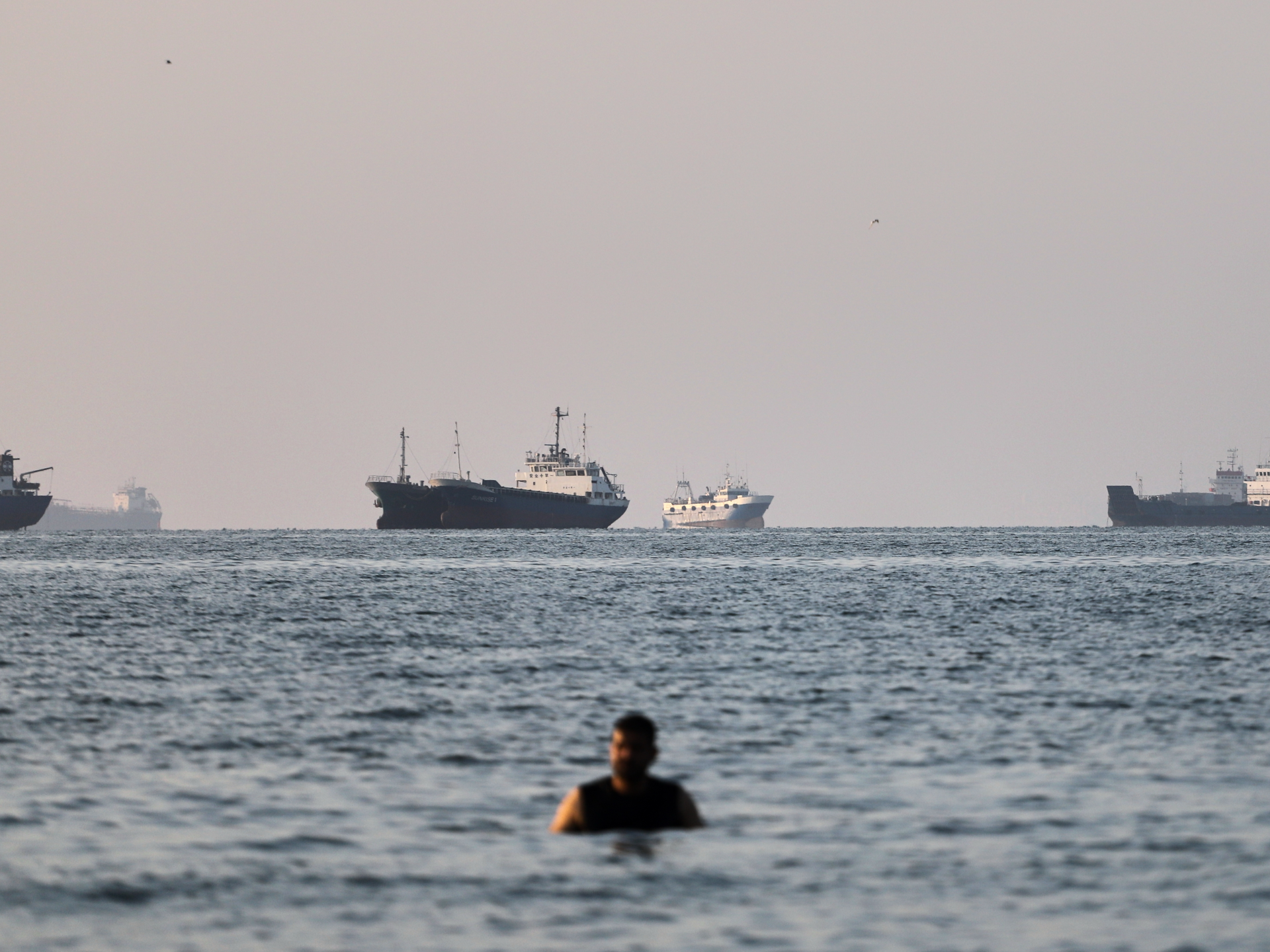
Incident Reported in Crucial Shipping Lane
A tanker navigating the waters off the coast of Oman in the Strait of Hormuz reportedly sustained a projectile strike, leading to a fire on board. The United Kingdom's military confirmed the incident, which occurred early on a recent Tuesday. This event represents another instance of a vessel being targeted in the vital Gulf waterway, a route through which approximately one-fifth of the global oil and natural gas supply transited prior to the commencement of the US-Israel conflict with Iran in late February.
Details of the Attack
The UK Maritime Trade Operations (UKMTO) centre provided details, stating that the tanker was struck near Limah, Oman, within the strait. The projectile impacted the port side of the vessel as it was attempting to exit the strait southbound, heading towards the Gulf of Oman. The UKMTO indicated that, as of their report, there were no casualties or environmental damage, and an investigation into the incident is currently underway.
Iranian state television reported that the liquefied natural gas tanker came under attack after allegedly disregarding warnings. However, Tehran did not explicitly claim responsibility for the assault. Concurrently, two anonymous US officials, speaking to the Axios news outlet, alleged that Iran's military had fired at least two missiles at commercial ships traversing the strait. One of these officials further asserted that a second vessel was also hit, with both ships sustaining considerable damage, though without any reported casualties.
Potential Motives and Regional Context
Hossein Royvaran, an analyst based in Tehran, offered a potential explanation for the incident during an interview with Al Jazeera. He suggested that the tanker might have been targeted because it had entered an area where Iranian teams were conducting mine-clearing operations. Royvaran commented, "The area near Oman is likely full of mines. There is a possibility that these ships headed in directions where Iranian teams in that area are clearing mines, and the ships' movement might have threatened those teams."
Iran has consistently maintained that only its designated route through the Strait of Hormuz is secure, and there have been suspicions that it has been involved in attacks on other vessels that utilized an alternative route closer to the Omani shore.
Broader Regional Tensions and Political Landscape
The incident occurs amid a backdrop of heightened regional tensions. Discussions between Iran and the United States regarding a permanent resolution to the ongoing conflict appear to be paused. These talks are reportedly on hold until after the funeral rites for Iran's former Supreme Leader, Ayatollah Ali Khamenei. Khamenei was reportedly killed at the onset of the US-Israel conflict with Iran on February 28. His body was transported to Qom, a significant Shia seminary city, overnight, where mourners gathered to pay their respects.
The Strait of Hormuz is a narrow chokepoint connecting the Persian Gulf to the Arabian Sea and the open ocean. Its strategic importance cannot be overstated, as a substantial portion of the world's seaborne oil and gas exports pass through it. Any disruption or perceived threat in this area can have significant implications for global energy markets and international relations. The recent projectile strike and subsequent fire on the tanker underscore the fragility of security in this critical maritime corridor and the complex geopolitical dynamics at play in the region.
The international community is likely to closely monitor the investigation into this incident, as well as the broader situation in the Strait of Hormuz, given its profound impact on global trade and stability.
Source: Original Article
Related Articles
 world
world
Mali Receives Russian Military Aid Amidst Northern Insurgency
 world
world
Cuba Experiences Widespread Power Outage Amid Deepening Energy Crisis
 world
world
Gaza Enters 1,000th Day of Conflict Amidst Escalating Humanitarian Crisis and Political Shifts
 world
world