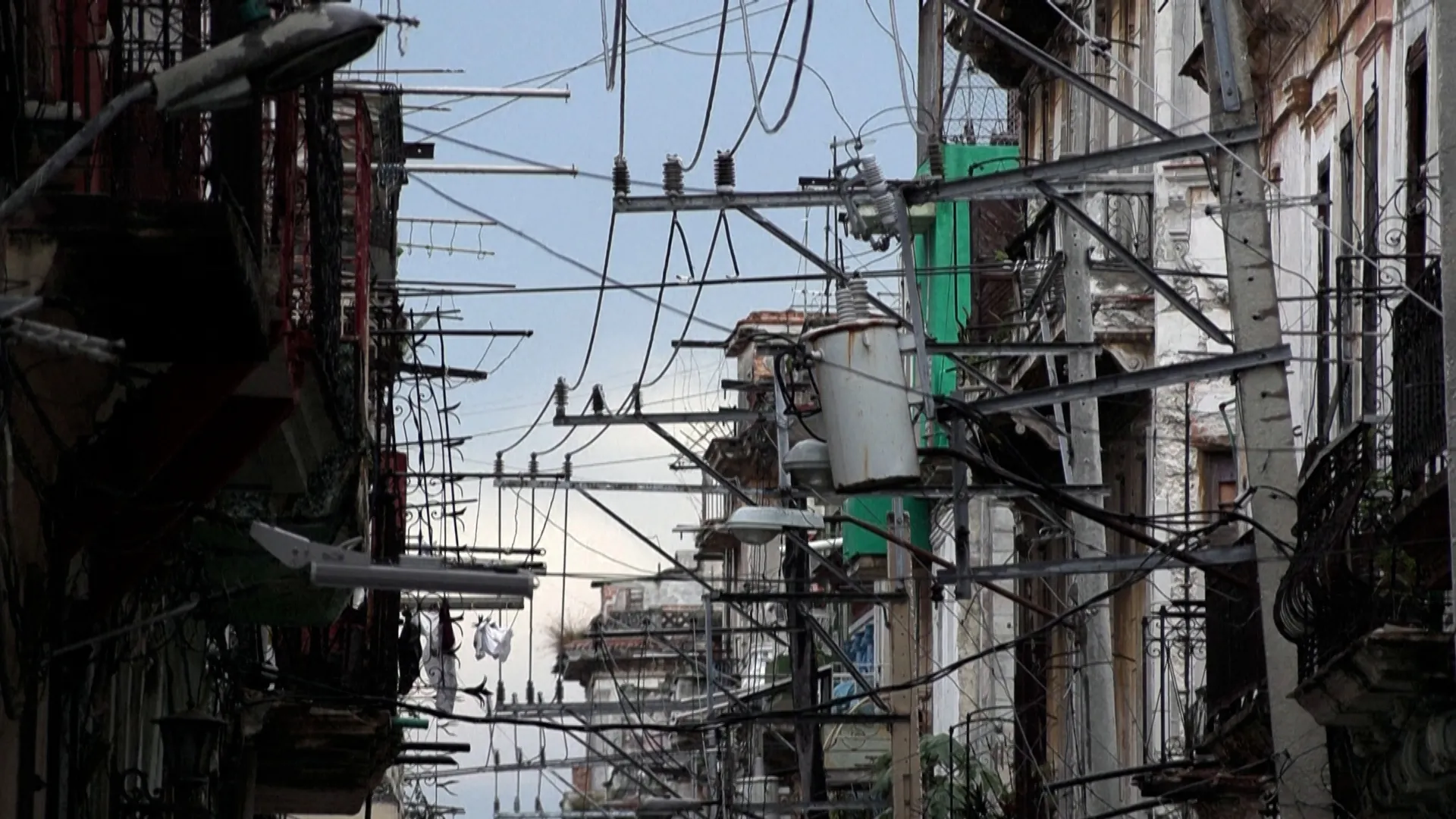
Widespread Power Loss Across Cuba
Millions of residents across Cuba have once again found themselves without electricity following a second nationwide power outage in just five days. The incident, reported on July 11, 2026, underscores the persistent and intensifying energy crisis gripping the island nation. This recent collapse of the national grid has left large segments of the population in darkness, further exacerbating daily life challenges for many.
The recurring nature of these blackouts points to systemic issues within Cuba's energy infrastructure. The country's power grid, which relies heavily on aging thermal power plants and imported fuel, has demonstrated increasing vulnerability to operational failures. These plants often operate below their full capacity due to a lack of maintenance, spare parts, and consistent fuel supplies. The cumulative effect of these deficiencies is a grid that struggles to meet the national demand, leading to frequent and widespread disruptions.
Impact on Daily Life and Economy
The immediate consequences of such widespread power failures are significant. Households are deprived of essential services, impacting everything from food preservation to communication and access to information. Businesses, already operating under challenging economic conditions, face additional hurdles, including lost productivity and revenue. The agricultural sector, vital for food security, can also be affected, particularly operations reliant on electricity for irrigation or processing.
Beyond the immediate inconveniences, the blackouts have a profound psychological impact on the population. The uncertainty surrounding power availability creates stress and makes long-term planning difficult for families and enterprises alike. The repeated disruptions also hinder economic recovery efforts and deter potential foreign investment, as a stable energy supply is a fundamental requirement for any modern economy.
Underlying Causes of the Energy Crisis
Cuba's energy crisis is multifaceted, rooted in a combination of economic, political, and infrastructural factors. A significant portion of the country's electricity generation capacity relies on imported fossil fuels, making it highly susceptible to global market fluctuations and international sanctions. The cost of these imports has strained the national budget, limiting resources available for maintaining and upgrading existing power plants or investing in new, more resilient energy sources.
Furthermore, decades of underinvestment in infrastructure have left much of Cuba's energy grid in a state of disrepair. Many power plants are decades old, operating past their intended lifespan, and frequently experience breakdowns. The lack of access to modern technology and spare parts, often due to trade restrictions, complicates repair efforts and delays the return of generating units to service.
Efforts and Challenges in Modernizing the Grid
The Cuban government has acknowledged the severity of the energy situation and has articulated plans to address it. These plans include efforts to diversify the energy matrix by incorporating more renewable energy sources such as solar and wind power. There have also been initiatives to improve the efficiency of existing thermal plants and to decentralize power generation to reduce reliance on a single, vulnerable national grid.
However, implementing these solutions is a complex and capital-intensive undertaking. Securing the necessary funding, technology, and expertise often presents significant challenges, particularly in the current global economic climate. The transition to renewable energy, while crucial for long-term sustainability, requires substantial initial investment and a robust infrastructure to integrate these intermittent sources effectively into the national grid.
Broader Implications
The recurring national blackouts in Cuba are not merely technical failures; they are symptomatic of deeper economic and logistical challenges facing the nation. They highlight the urgent need for comprehensive reforms and international cooperation to stabilize the energy sector and improve the quality of life for Cuban citizens. As the island continues to grapple with these energy woes, the ability to ensure a consistent power supply remains a critical benchmark for its overall stability and development trajectory.
Source: Original Article