
Pontiff's Arrival Marked by Distinctive Catalan Tradition
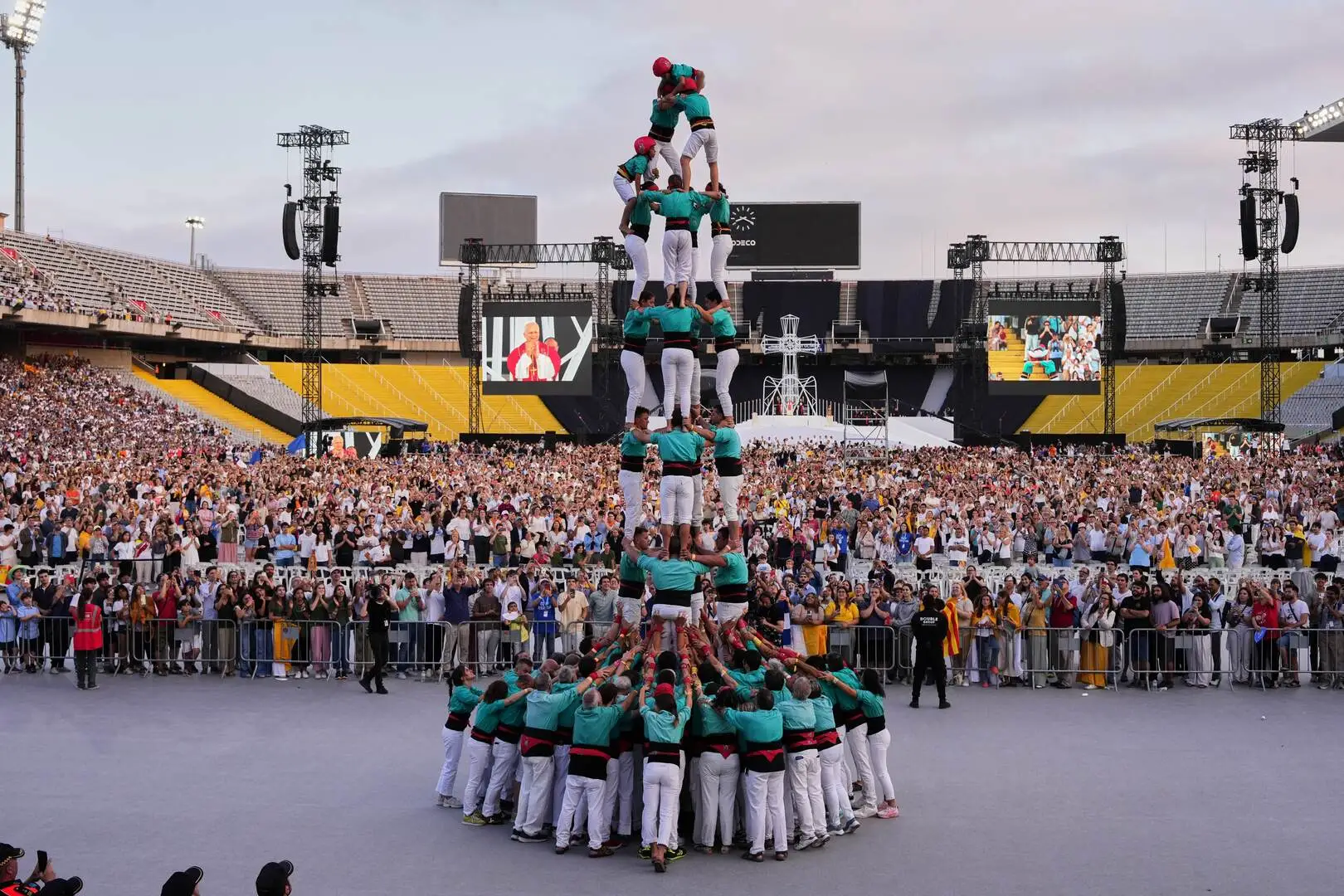
Pope Leo XIV's recent visit to Barcelona was distinguished by a memorable welcome ceremony featuring a traditional Catalan human tower, known locally as a 'castell'. This cultural spectacle, emblematic of teamwork and regional identity, unfolded before an estimated crowd of 40,000 spectators, creating a vibrant atmosphere for the pontiff's arrival in the Spanish city.
The Art of the Castell: A Symbol of Unity
The human tower, a deeply rooted tradition in Catalonia, involves participants, known as 'castellers', forming multi-tiered human structures. These intricate formations require immense coordination, strength, and balance, with each member playing a crucial role in the tower's construction and stability. The performance for Pope Leo XIV was executed by over 100 members of the Castellers de Vilafranca, a renowned group celebrated for its skill and dedication to this ancient practice.
The 'castell' is not merely an acrobatic feat; it is imbued with significant cultural meaning. It symbolizes the collective spirit, the ability to overcome challenges through unity, and the strong sense of community that defines Catalan culture. The base of the tower, known as the 'pinya', comprises the largest number of participants, providing foundational support. Above them, successive levels of castellers climb onto each other's shoulders, forming the trunk, or 'tronc', of the tower. The pinnacle of the structure is often reached by children, who are lighter and more agile, culminating in the 'enxaneta' (the top-most child) who raises a hand to signify the tower's completion.
A Grand Spectacle for a Papal Visit
The decision to showcase a human tower for Pope Leo XIV's reception underscores the cultural significance of his visit to Barcelona. Such a grand display is typically reserved for major celebrations and significant events, highlighting the importance the local community placed on welcoming the spiritual leader. The 10-meter-high structure, meticulously built and then carefully dismantled, captivated both local residents and international observers, offering a unique glimpse into Catalonia's rich heritage.
The event took place in a prominent location, drawing a substantial gathering of onlookers eager to witness both the papal visit and the traditional performance. The atmosphere was reportedly charged with anticipation and reverence, as the crowd observed the delicate balance and synchronized movements required to construct the towering human edifice. The successful completion of the 'castell' was met with widespread applause and celebration, reflecting the pride of the performers and the appreciative sentiments of the audience.
Historical Context of Human Towers
The tradition of human towers dates back to the 18th century, originating from festive dances in the Camp de Tarragona region of Catalonia. Over time, these displays evolved into independent competitive events, with various 'colles' (groups) striving to build the highest and most complex structures. In 2010, UNESCO recognized human towers as a Masterpiece of the Oral and Intangible Heritage of Humanity, acknowledging their cultural importance and the need for their preservation.
The inclusion of this tradition in the papal welcome highlights a broader trend of integrating local customs and cultural expressions into significant public events. It serves as a powerful demonstration of how communities celebrate their identity and share their heritage with distinguished guests. For the Castellers de Vilafranca, performing for an international figure like Pope Leo XIV not only brought prestige to their 'colla' but also provided a global platform for Catalan culture.
Impact and Reception
The spectacle undoubtedly left a lasting impression on Pope Leo XIV and his entourage, offering a distinctively local experience that diverged from more conventional welcoming ceremonies. Reports from the event emphasized the peaceful and celebratory nature of the gathering, reflecting a harmonious blend of religious observance and cultural pride. The media coverage of the event further amplified the reach of this unique welcome, showcasing Barcelona's vibrant cultural scene to an international audience.
The event served as a reminder of the enduring power of cultural traditions to bring people together and to convey profound messages of unity and collective achievement. The human tower, in its intricate design and execution, perfectly encapsulated the spirit of collaboration and shared purpose, making it a fitting tribute to the pontiff's visit and a memorable moment in Barcelona's history.
Source: Al Jazeera
Related Articles
 news
news
Escalation in Middle East as Iran Retaliates Against US Strikes, Closes Vital Strait
 news
news
Thai Court Imposes Death Penalty on Two for 2015 Bangkok Shrine Bombing
 news
news
Belfast Experiences Second Night of Anti-Immigration Unrest Amidst Stabbing Charges
 news
news