
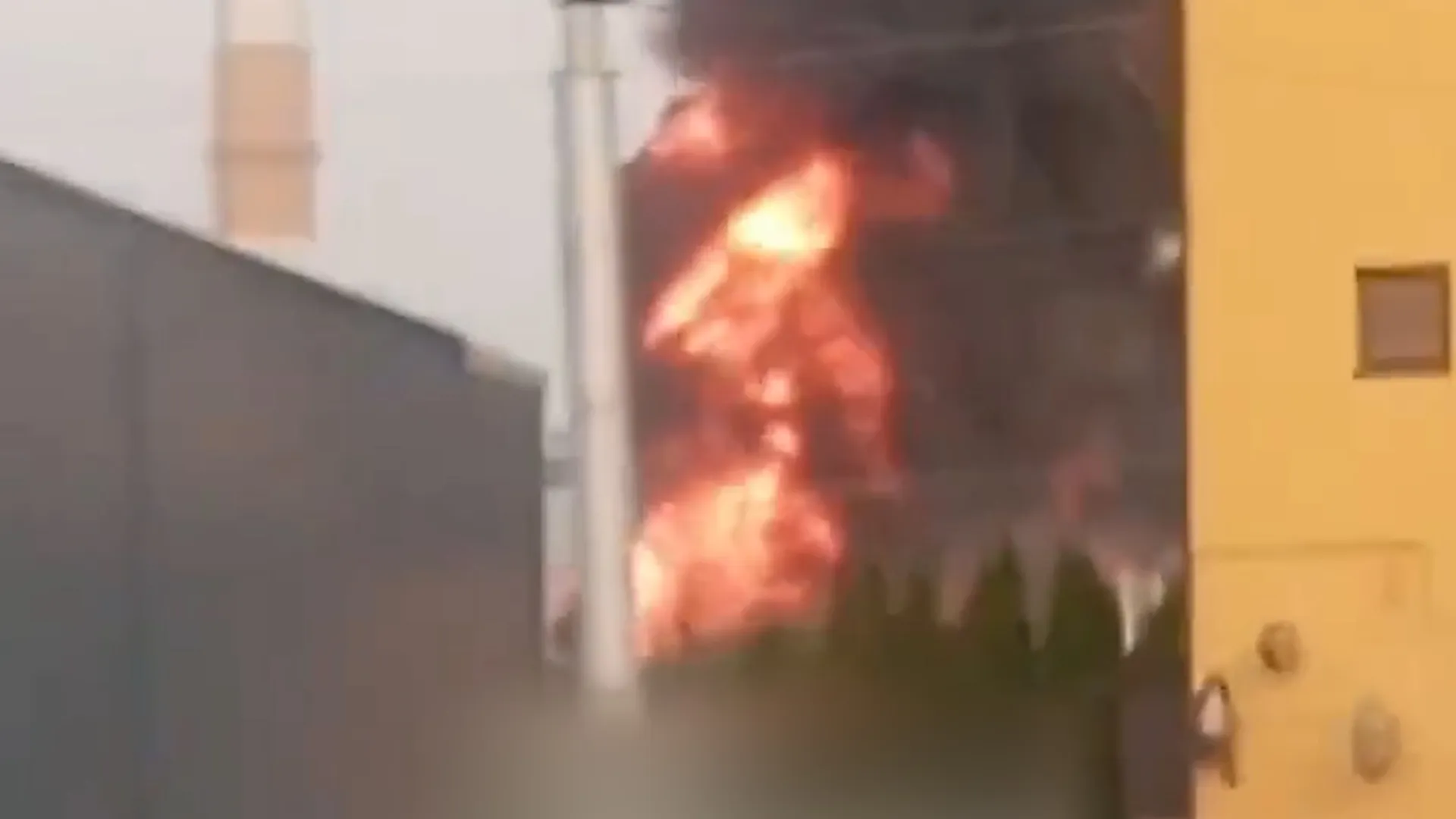
Overview of the Incident in Belgorod
On July 3, 2026, the Belgorod region of Russia was reportedly targeted by a Ukrainian strike, leading to considerable disruption and a tragic loss of life. Authorities in the region confirmed that the incident resulted in at least one fatality, a woman, and caused extensive damage to critical infrastructure. The strike specifically impacted energy facilities, subsequently leading to widespread power and water outages across several areas.
Visual evidence, including footage circulated online, depicted a substantial fire in proximity to a power installation within the Belgorod region. This imagery underscored the severity of the damage inflicted by the reported strike. The incident has drawn attention to the ongoing cross-border hostilities and their direct impact on civilian populations and essential services.
Impact on Infrastructure and Public Services
The primary consequence of the strike was the disruption of energy supply, which in turn affected water distribution. Such infrastructure damage can have cascading effects, impacting daily life for residents, including heating, sanitation, and communication networks. Local emergency services were likely mobilized to address the immediate aftermath, including firefighting efforts and restoring essential services to affected communities.
The targeting of energy infrastructure in conflict zones is a recurring aspect of modern warfare, often aiming to disrupt the opponent's logistical capabilities and public morale. However, such actions frequently lead to significant humanitarian concerns due to their impact on non-combatant populations. The specific details regarding the type of weapon used in the strike and the exact extent of the damage are typically subject to ongoing investigation and official statements from the involved parties.
Regional Context and Cross-Border Tensions
Belgorod, a Russian region bordering Ukraine, has frequently been a focal point in the ongoing conflict. Its geographical proximity to the Ukrainian border makes it susceptible to cross-border incidents. Both sides have accused each other of initiating strikes in border areas, contributing to a volatile security situation for residents in these regions.
Incidents like the one in Belgorod highlight the challenges in protecting civilian infrastructure and ensuring the safety of non-combatants amidst active hostilities. International humanitarian law generally stipulates the protection of civilians and civilian objects, though interpretations and adherence can vary significantly in practice during armed conflicts. The continuous exchange of fire and the resulting damage underscore the persistent nature of the conflict and its reach beyond the immediate front lines.
Responses and Investigations
Following such incidents, official statements from governmental bodies typically provide initial assessments of the situation, confirm casualties, and detail the extent of damage. These statements often form the basis for subsequent investigations into the circumstances surrounding the strike. International organizations and media outlets often monitor these events to provide independent reporting and assess the humanitarian impact.
The long-term implications of such infrastructure damage can include significant costs for repair and reconstruction, as well as the psychological toll on communities repeatedly exposed to such events. The incident in Belgorod serves as a stark reminder of the broader human and material costs associated with ongoing military engagements.
Source: Original Article
Related Articles
 world
world
Internal Divisions Emerge as Catholic Faction Ordains Bishops Against Vatican Directives
 world
world
Reports Emerge of US Pilot Fatality Amidst Papua Conflict
 world
world
Iran Prepares for Extensive Funeral Rites for Late Supreme Leader Ali Khamenei
 world
world