
Belfast Engulfed in Anti-Immigrant Demonstrations
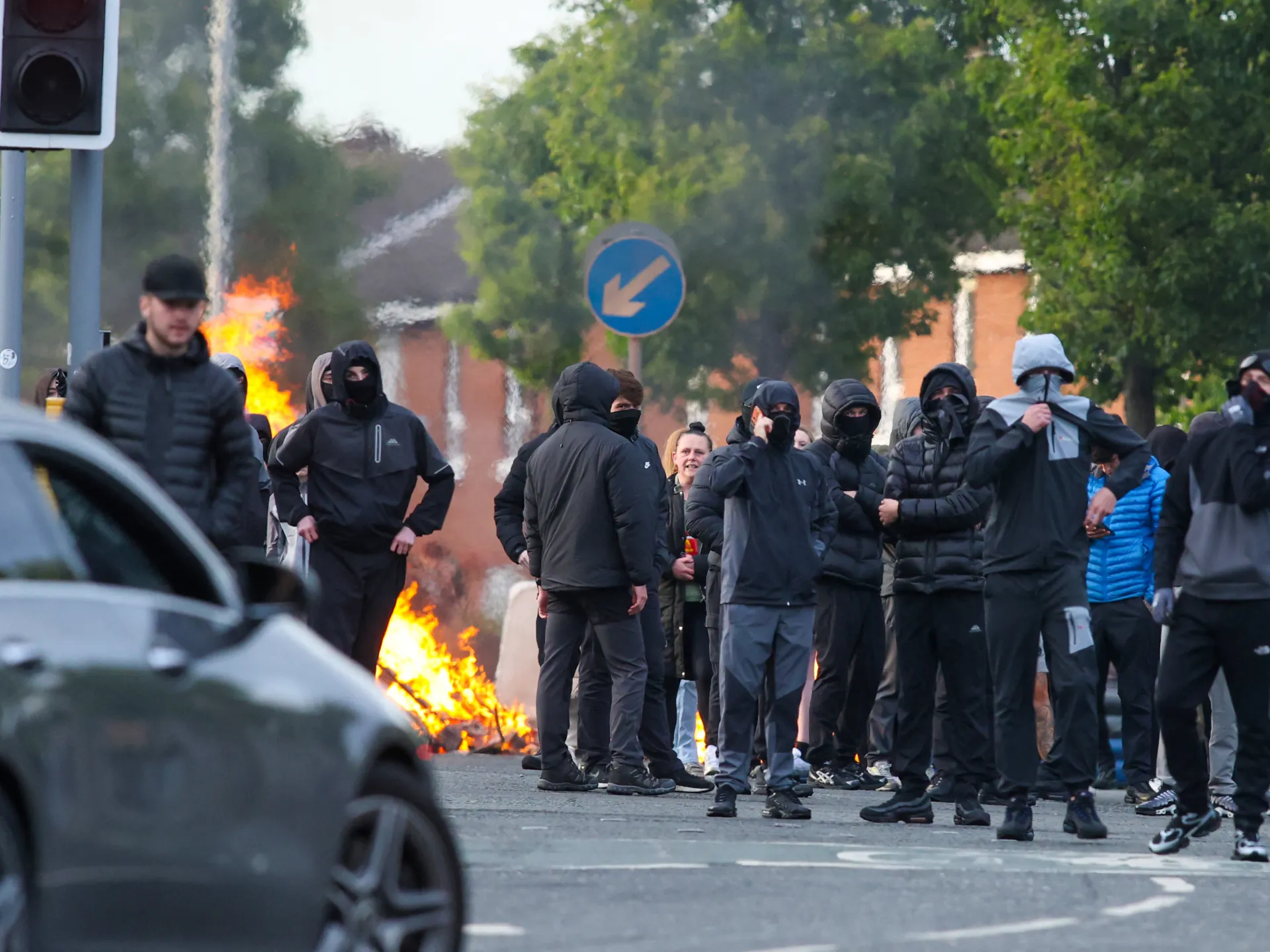
Northern Ireland's capital, Belfast, has recently been the scene of considerable anti-immigrant unrest, ignited by a knife attack that authorities allege was carried out by a Sudanese refugee. The incident has intensified existing anxieties regarding immigration within the region and the broader United Kingdom, prompting protests that escalated into violence, including road blockades, vehicle torching, and property damage.
On Tuesday evening, hundreds of demonstrators, many concealed by masks, took to the streets, leading to the evacuation of residents from affected areas. Michelle O’Neill, Northern Ireland’s First Minister, condemned the riots, describing them as “nothing less than disgusting cowardice” and emphasizing that “Racism, intimidation and violence are wrong wherever they occur.”
Details of the Knife Attack and Suspect
The catalyst for the recent unrest was a stabbing incident on Monday, where a man in his 40s sustained severe head and neck injuries. A 30-year-old suspect, whose identity has not been publicly disclosed, has been charged with attempted murder, possession of a bladed weapon, and making threats to kill. Northern Ireland police chief Jon Boutcher confirmed that the suspect had entered the UK in 2023 via Paris and Dublin. The UK Home Office further verified that the individual holds a legal Sudanese refugee status, valid until 2028.
This event unfolds amid a period of heightened sensitivity across Britain concerning immigration. Populist political factions have increasingly criticized current asylum policies, alleging that they permit potentially dangerous individuals to enter the country.
Wider Context of Anti-Immigrant Sentiment in the UK
The unrest in Belfast is not an isolated occurrence but rather reflects a broader trend of escalating anti-immigrant sentiment and related incidents throughout the UK. Just last week, skirmishes erupted in Southampton, southern England, following a police investigation into the murder of a young white student, allegedly by a British Sikh man. In Southampton, dozens of protesters gathered outside a hotel housing asylum seekers, displaying banners with messages such as “no racism, just patriotism” and “enough is enough.”
Immigration has become a contentious political issue in Britain, contributing to the growing influence of hard-right parties like Reform UK in recent local elections. Northern Ireland experienced similar anti-immigrant disturbances last year, particularly in Ballymena, where groups targeted residences of migrants following allegations of a sexual assault involving two teenagers described as being of foreign origin.
Furthermore, July 2024 saw significant violence across the UK, including in Northern Ireland, after three young girls were fatally stabbed near Liverpool by a 17-year-old British individual, the son of Rwandan refugees. The perpetrator subsequently pleaded guilty and was sentenced to life imprisonment.
Alarming Rise in Hate Crimes
Amnesty International characterized the 12 months leading up to November last year as “a shameful year of hate” in Northern Ireland. During this period, police services recorded 2,048 racist incidents and 1,280 race hate crimes, marking some of the highest levels since data collection began in 2004. Notably, four of the five highest monthly counts of race hate incidents occurred between June and September 2025.
Patrick Corrigan, Amnesty International’s Northern Ireland director, highlighted the human impact, stating, “Behind every shocking statistic, there is a real person or family left living in fear.” He also criticized some politicians for echoing anti-migrant misinformation rather than supporting victims of hate crimes.
Professor Michael Kerr, an expert in conflict studies at King’s College London, noted that while the number of individuals participating in the riots might be relatively small, the potential consequences are severe. He emphasized that a small, determined far-right minority can rapidly instill fear, particularly when targeting vulnerable communities.
The Role of Far-Right Agitation and Social Media
Prominent anti-immigration figures, including Reform party leader Nigel Farage and Restore Britain leader Rupert Lowe, have publicly demanded information regarding the immigration status of the Belfast attacker. Gavin Robinson, leader of the Democratic Unionist Party, has urged authorities to address what he termed “uncontrolled immigration.”
Police chief Boutcher indicated that the alleged attacker had no prior criminal record known to the Police Service of Northern Ireland. Despite police appeals against sharing graphic videos of the stabbing, numerous social media accounts associated with “patriots” circulated the footage, encouraging protests against “mass immigration.” Elon Musk, the American tech billionaire, retweeted a post by anti-immigration activist Tommy Robinson (Stephen Yaxley-Lennon), advocating for persistent and loud protests to effect change.
The Southampton stabbing incident was also leveraged by US Vice President JD Vance, who attributed the violence to “the politics of self-hatred and the mass invasion of migrants.” British government officials rebutted Vance's comments, pointing out that the Southampton assailant was not an immigrant and accusing Vance of attempting to interfere in British democracy and sow division.
Northern Ireland Justice Minister Naomi Long accused those perpetrating violence of “weaponising genuine hurt, concern and anger” and explicitly blamed far-right online agitators for fueling racial tensions. She noted that “bad faith actors” with little knowledge of Belfast were deliberately encouraging street protests, defining such actions as racism. Professor Kerr added that the amplification of anti-migrant content on platforms like X helps create an environment where incidents are rapidly politicized to inflame public anger.
Connecting to the Legacy of the Troubles
Evi Chatzipanagiotidou, an anthropology lecturer at Queen’s University Belfast, suggested that Tuesday’s violence also bears connections to the Troubles, the sectarian conflict that plagued Northern Ireland from the 1960s to the late 1990s. She highlighted that violent riots often occur in areas marked by long-term economic deprivation, unemployment, and marginalization.
While a direct link to far-right paramilitaries has not yet been established, Chatzipanagiotidou observed that young men involved in these riots would be prime recruitment targets for such groups. She explained that local historical and ideological processes are converging with global far-right politics. Furthermore, the anti-migration narrative often blames the border with Ireland as a transit route for migrants, reigniting tensions over national identity between Catholic/nationalist communities (who favor a united Ireland) and Protestant/unionist communities (who wish to remain part of the UK).
Professor Kerr also identified political divisions within the power-sharing executive as an additional risk. Without political unity, he warned, “the far right can use these incidents to drive a wedge between parties, communities and the police,” potentially escalating into a major policing challenge in Northern Ireland and contributing to wider unrest across the UK.
Source: Why has Belfast erupted in anti-immigrant violence after a knife attack?
Related Articles
 news
news
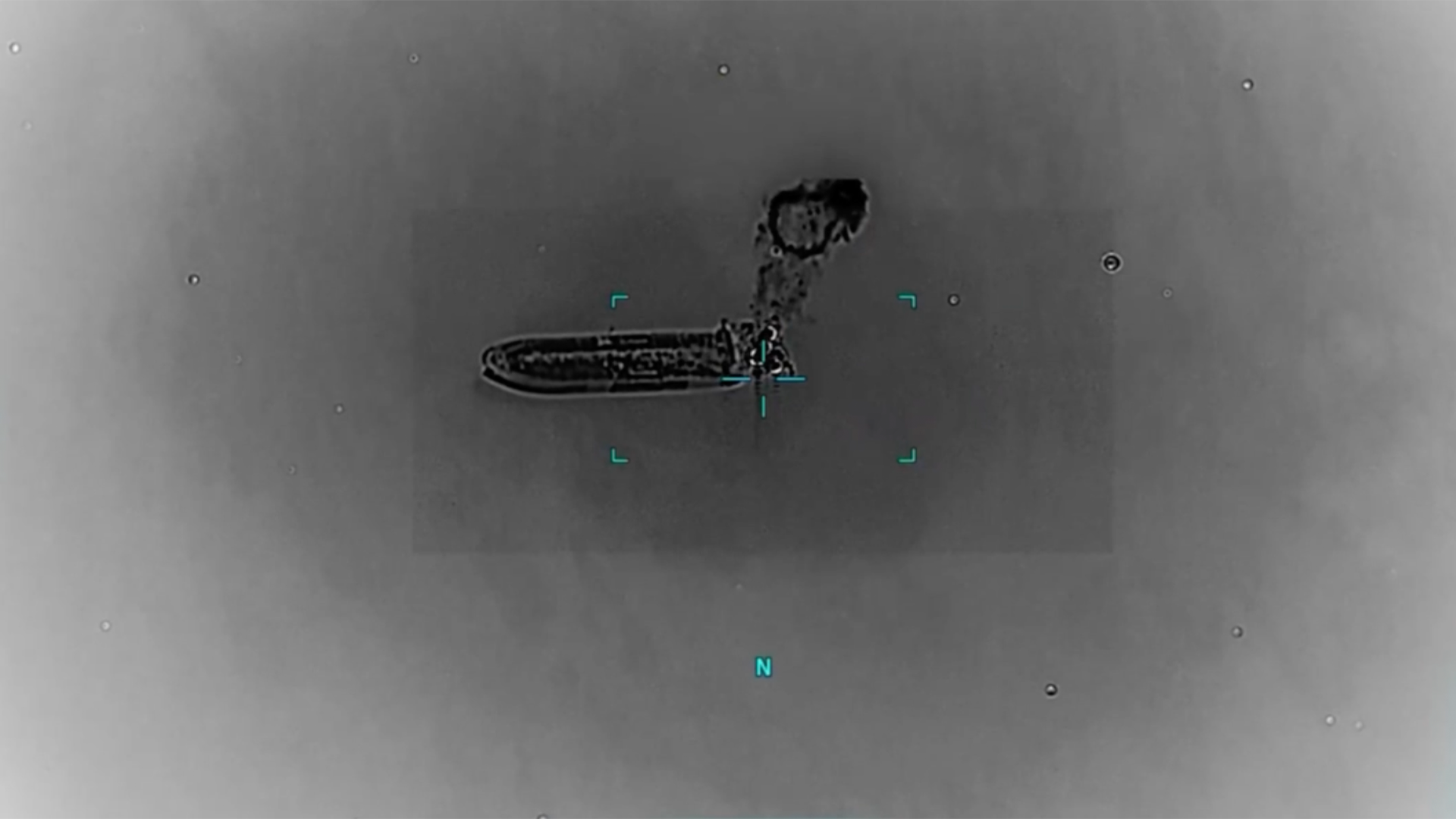
Escalation in Middle East as Iran Retaliates Against US Strikes, Closes Vital Strait
 news
news
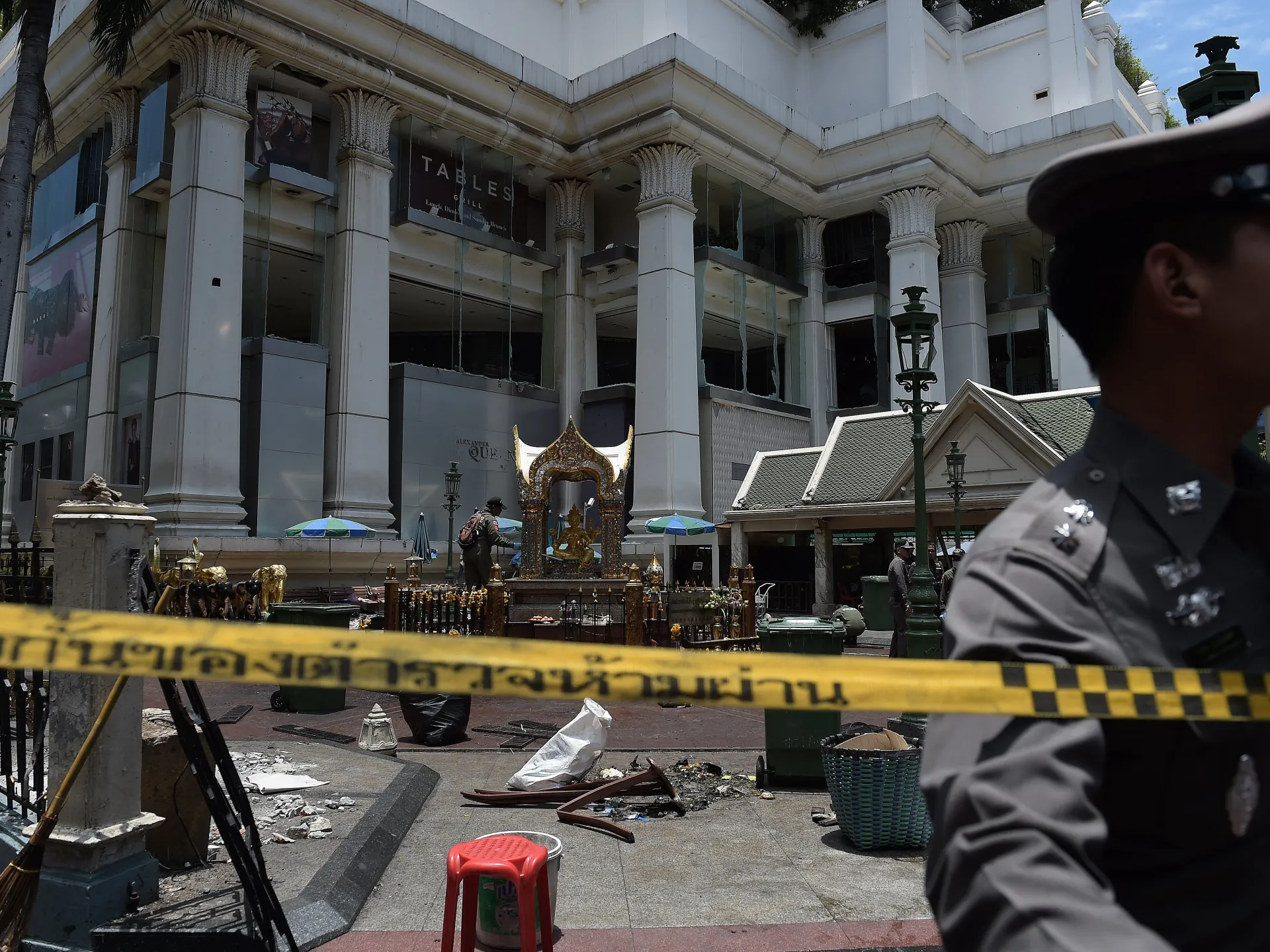
Thai Court Imposes Death Penalty on Two for 2015 Bangkok Shrine Bombing
 news
news
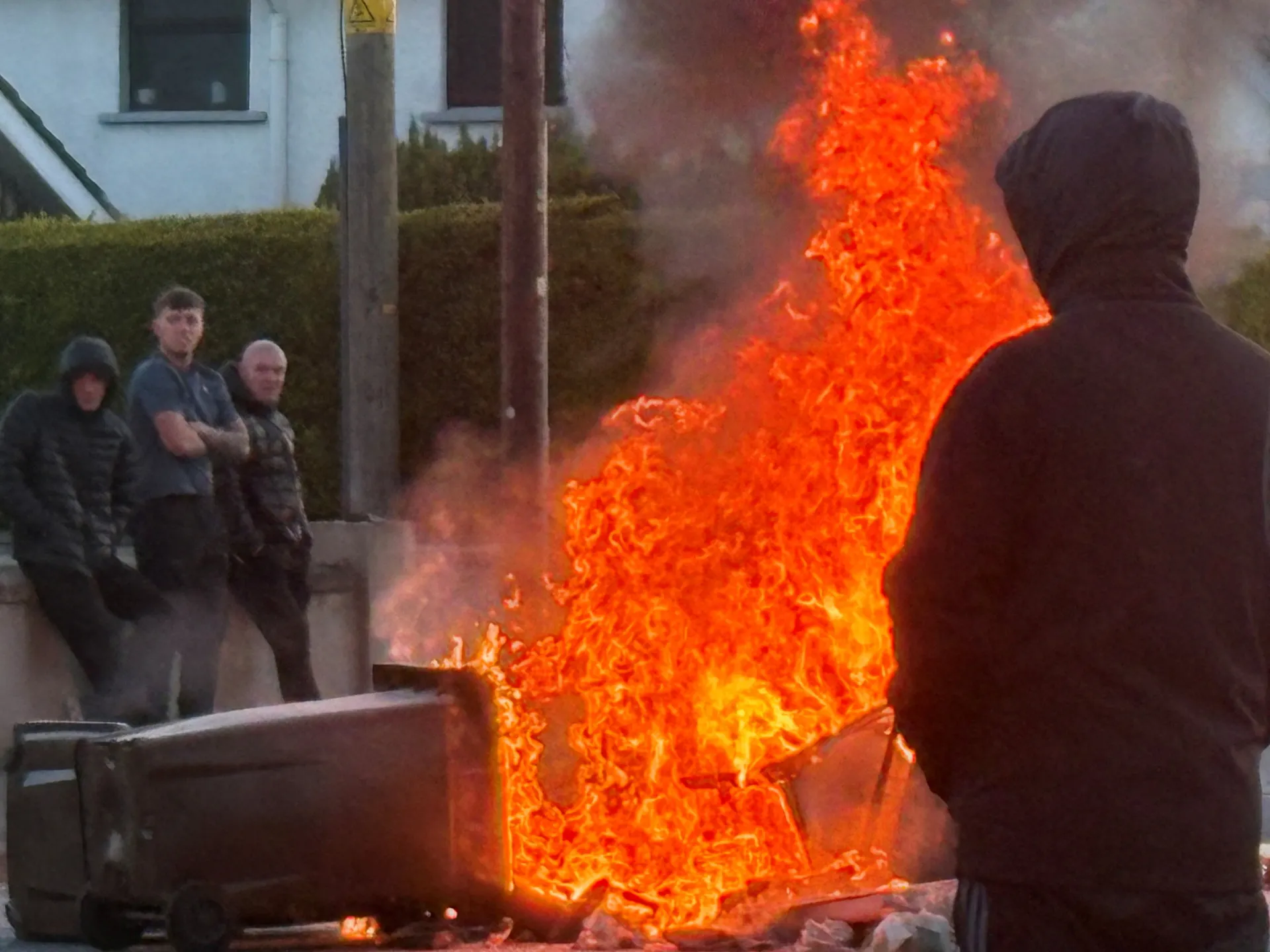
Belfast Experiences Second Night of Anti-Immigration Unrest Amidst Stabbing Charges
 news
news