Introduction to the Ongoing Debate
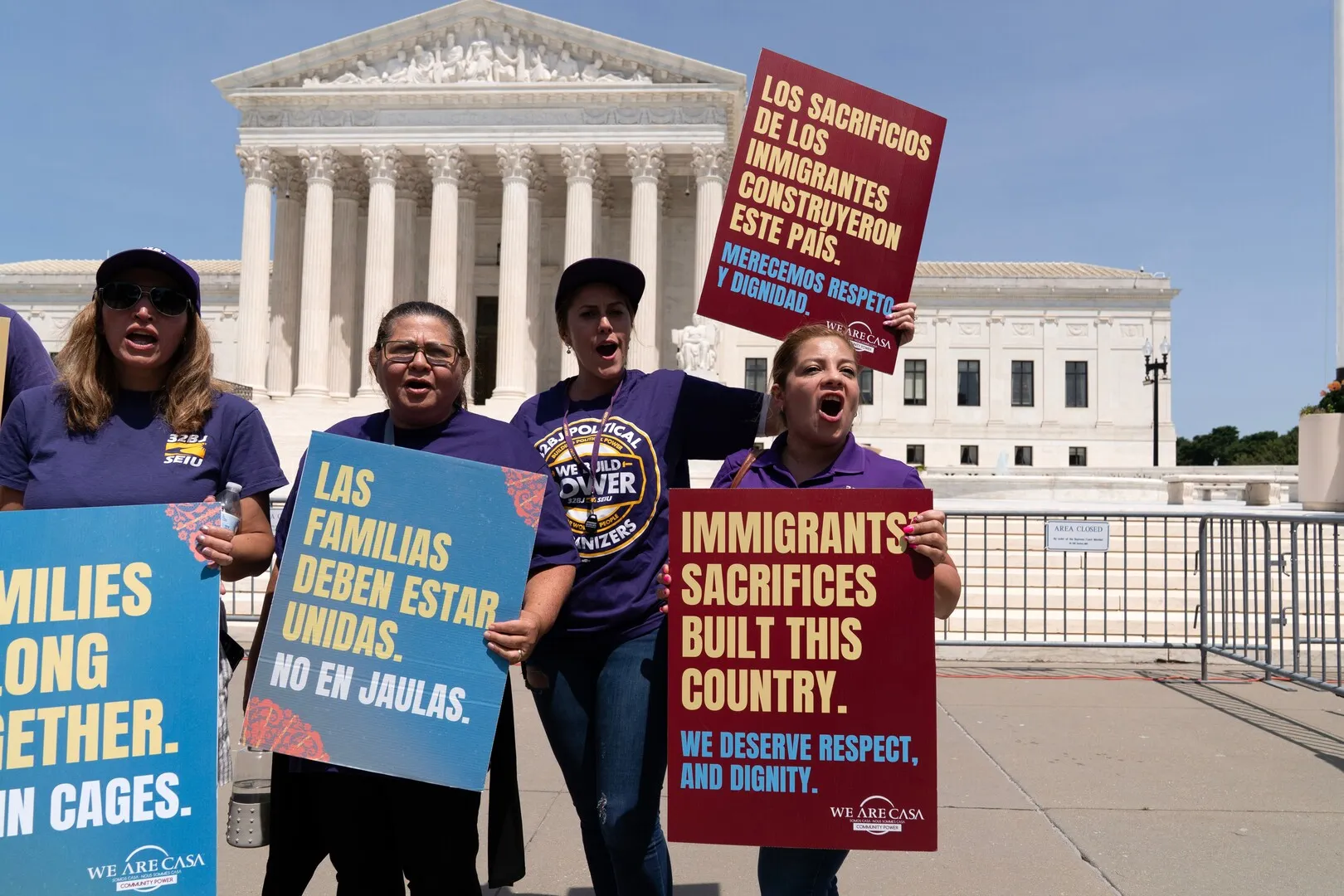
The concept of birthright citizenship in the United States has been a subject of considerable debate, particularly in recent years. This principle, primarily enshrined in the Fourteenth Amendment of the U.S. Constitution, grants citizenship to nearly everyone born on American soil, regardless of their parents' immigration status. However, interpretations and applications of this amendment have faced scrutiny, leading to ongoing discussions about its future. The recent remarks from a White House official underscore the continued push by certain segments of the government to address this long-standing issue.
Administration's Position on Birthright Citizenship
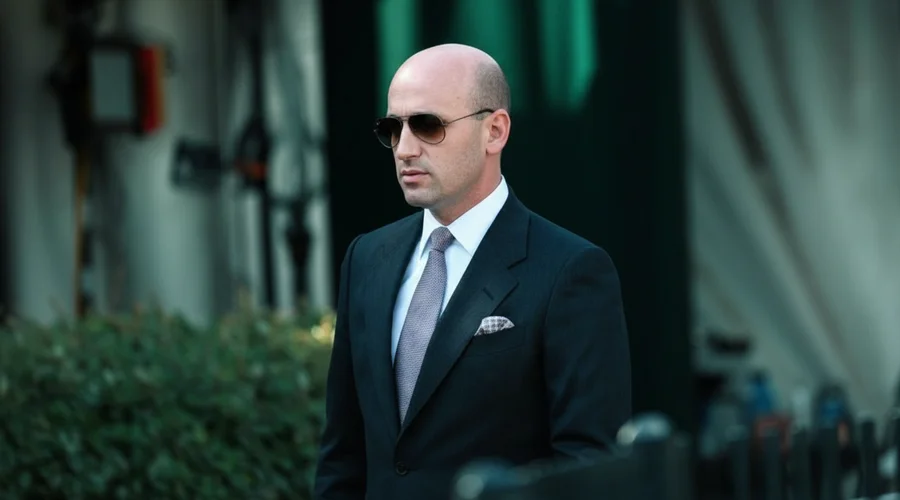
Stephen Miller, a prominent advisor within the White House, recently articulated the administration's commitment to challenging existing birthright citizenship policies. Speaking in an interview, Miller indicated that despite a recent Supreme Court ruling that did not favor the President's position on the matter, the administration plans to persist in its efforts. This suggests a sustained focus on altering the current legal framework surrounding citizenship for individuals born within the United U.S. borders. The administration's stance reflects a broader political movement that advocates for a more restrictive interpretation of the Fourteenth Amendment, or even its modification.
The Fourteenth Amendment and Its Interpretations
At the heart of the birthright citizenship debate is the first sentence of the Fourteenth Amendment, ratified in 1868. It states: 'All persons born or naturalized in the United States, and subject to the jurisdiction thereof, are citizens of the United States and of the State wherein they reside.' Historically, this clause has been widely interpreted to mean that anyone born in the U.S. is automatically a citizen, with the notable exception of children of foreign diplomats. Proponents of this interpretation argue that it was primarily intended to grant citizenship to formerly enslaved people and ensure their rights, and that its language is clear and unambiguous.
Conversely, those who advocate for changes to birthright citizenship often argue that the phrase 'subject to the jurisdiction thereof' was not originally intended to apply to children of undocumented immigrants. They suggest that the framers of the amendment did not foresee or intend for it to grant citizenship to individuals whose parents might not have full allegiance to the United States. This alternative interpretation forms the basis for arguments that birthright citizenship as currently practiced is a misapplication of the amendment's original intent.
Pathways for Future Action
Following the Supreme Court's decision, which seemingly affirmed the existing interpretation of birthright citizenship, the administration has indicated that its focus will now shift towards legislative action. Miller specifically mentioned that the White House intends to 'push Congress to change the law.' This approach suggests a recognition of the current legal constraints and a strategic pivot towards legislative means to achieve their objectives. Changing a constitutional amendment, or even a federal law interpreting it, would require significant political will and broad support, typically a two-thirds vote in both the House and Senate for an amendment, or a simple majority for a federal law, followed by presidential assent.
The legislative route is often complex and lengthy, involving extensive debates, committee hearings, and multiple votes. Any proposed changes to birthright citizenship would likely face strong opposition from various civil rights groups, legal scholars, and political factions who view the current interpretation as a fundamental aspect of American identity and constitutional law. The push could involve proposals for new federal legislation, or potentially even efforts to initiate a constitutional amendment process, though the latter is a much rarer and more challenging undertaking.
Historical Context and Precedents
The debate over birthright citizenship is not entirely new. Throughout U.S. history, there have been periods of intense discussion regarding who qualifies for citizenship and under what conditions. The Supreme Court case of United States v. Wong Kim Ark in 1898 is a significant precedent, where the Court ruled that a child born in the U.S. to Chinese immigrant parents who were not citizens was indeed a U.S. citizen under the Fourteenth Amendment. This ruling has largely served as the foundational legal interpretation for birthright citizenship ever since.
Despite this historical precedent, the political discourse surrounding immigration and citizenship has intensified, particularly in the context of contemporary immigration challenges. The administration's renewed commitment to challenging birthright citizenship reflects these ongoing political pressures and a desire to implement policies that align with their broader immigration agenda. The upcoming legislative battles are expected to be robust, with legal scholars, advocacy groups, and political figures on both sides prepared to argue their respective cases.
Conclusion: A Continuing Policy Battle
The statements from the White House advisor underscore that the administration views birthright citizenship as an area ripe for reform and will continue to explore all available avenues to achieve its policy goals. While the Supreme Court's recent decision may have closed one immediate legal path, the focus is now clearly on influencing Congress to enact legislative changes. This indicates that the debate over birthright citizenship is far from over and will likely remain a prominent issue in national political discourse for the foreseeable future, potentially leading to significant policy discussions and legislative efforts.
Source: Original Article