Art as a Statement: Commemorating Gaza's Youngest Victims
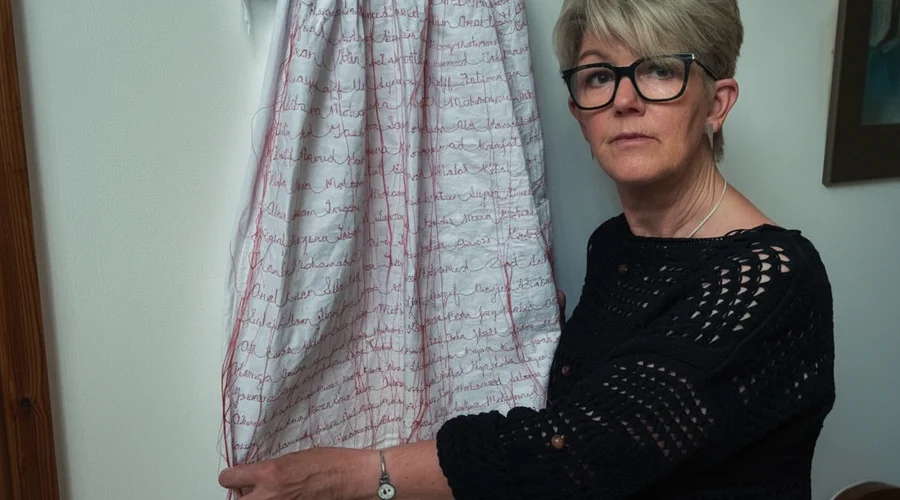
In Wales, an artist has undertaken a deeply symbolic project, transforming a traditional christening gown into a memorial for the youngest victims of the conflict in Gaza. Diana Williams, a retired art lecturer, meticulously embroidered the names of 300 babies who lost their lives, aiming to draw global attention to the humanitarian crisis.
Williams chose a vintage christening gown as her canvas, a garment traditionally associated with purity and new beginnings. She then used red thread to stitch the names of the infant victims onto the fabric. Her intention was for the gown to serve as a stark reminder of the innocence lost. To further amplify her message, Williams deliberately frayed the hem of the gown using a harsh cleaning product. This intentional damage was meant to symbolize the harsh and devastating conditions endured by the people in the conflict zone. She explained that as the gown hangs, the trailing threads evoke a sense of profound loss, collecting at the bottom in a manner she described as resembling a 'pool of blood'.
A Compelling Call to Acknowledge the Scale of Loss
The artwork, titled 'Know Their Names,' draws inspiration from interactive databases that have cataloged the victims of the conflict. Williams felt a profound personal compulsion to create the piece, believing it essential for people to comprehend the immense scale of the tragedy unfolding in Gaza. Data indicates that since late 2023, over 20,000 children have been killed in the region. The names embroidered on Williams's gown, such as Sara, Elias, Mai, and Mona, represent babies under the age of one, underscoring the extreme vulnerability of those affected.
As a mother of three and a grandmother of two, Williams expressed deep empathy for the mothers in Gaza mourning their children. She voiced her dismay at the perceived inaction of world leaders, questioning how individuals with their own families could allow such devastation to continue. Williams noted that while average citizens often demonstrate empathy, politicians, in her view, have largely failed to address the severity of the situation.
Recognition and Wider Reach for the Artwork
The gown has garnered recognition, receiving a people's award in January at Galeri Caernarfon, an arts venue in Wales. Williams generously donated her prize money to Medical Aid for Palestinians. The artwork has also been exhibited in other locations across Wales and is shortlisted for display at the National Eisteddfod, a prominent annual cultural festival.
Williams shared that the plight of Gaza's Christian minority, particularly stories of parents rushing to baptize their infants out of fear for their lives, deeply moved her. She emphasized that the situation in Gaza has impacted her more profoundly than any other event, compelling her to act. The artist hopes that the 'emptiness' of the gown, adorned with the names of the conflict's youngest victims, will convey the 'profound loss' and stimulate a broader discussion about the ongoing events.
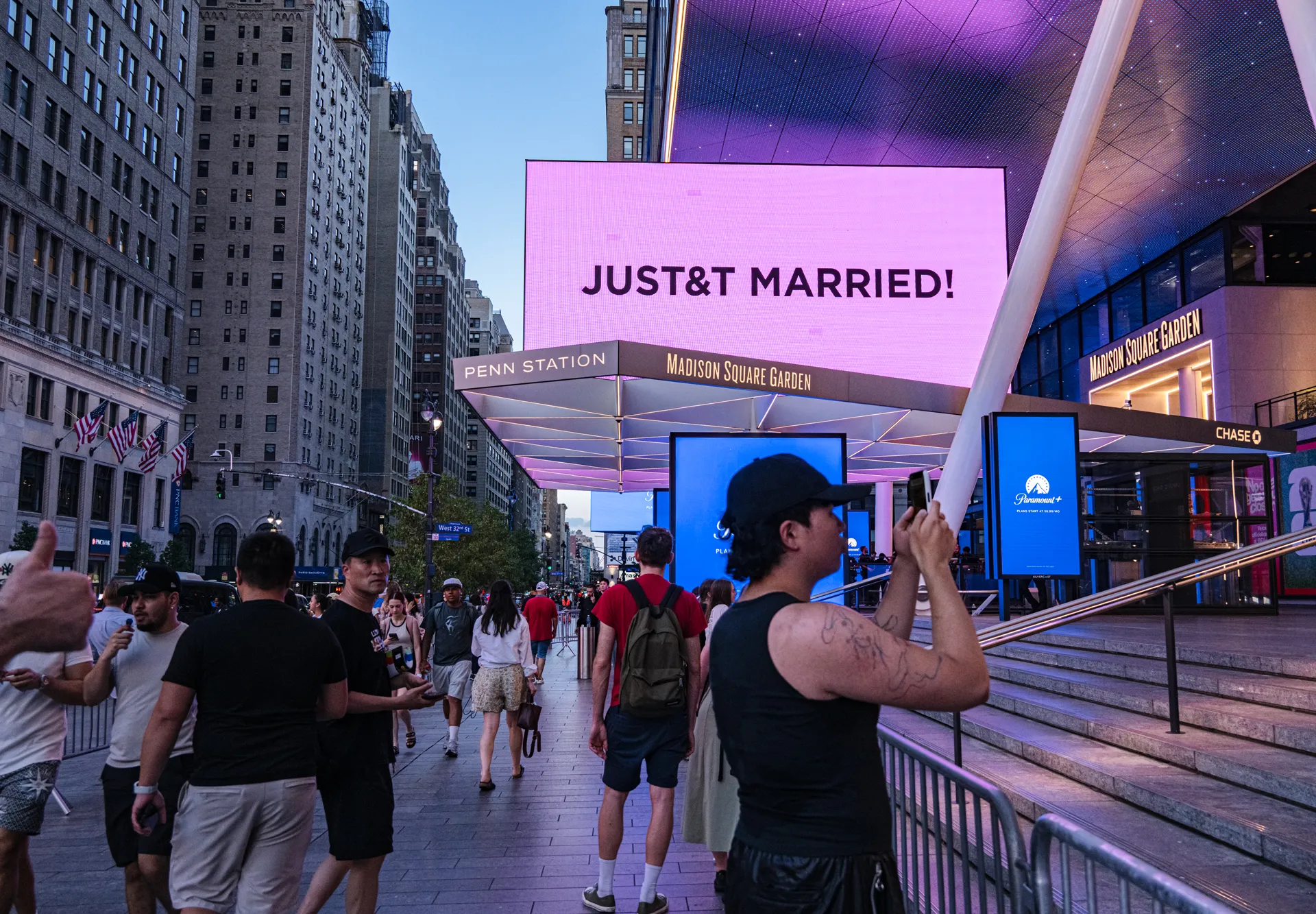
Later this year, the memorial gown is scheduled for display in Paris and will be featured on a billboard in New York, aiming to reach an international audience and further amplify its message of remembrance and reflection.
Source: Al Jazeera