
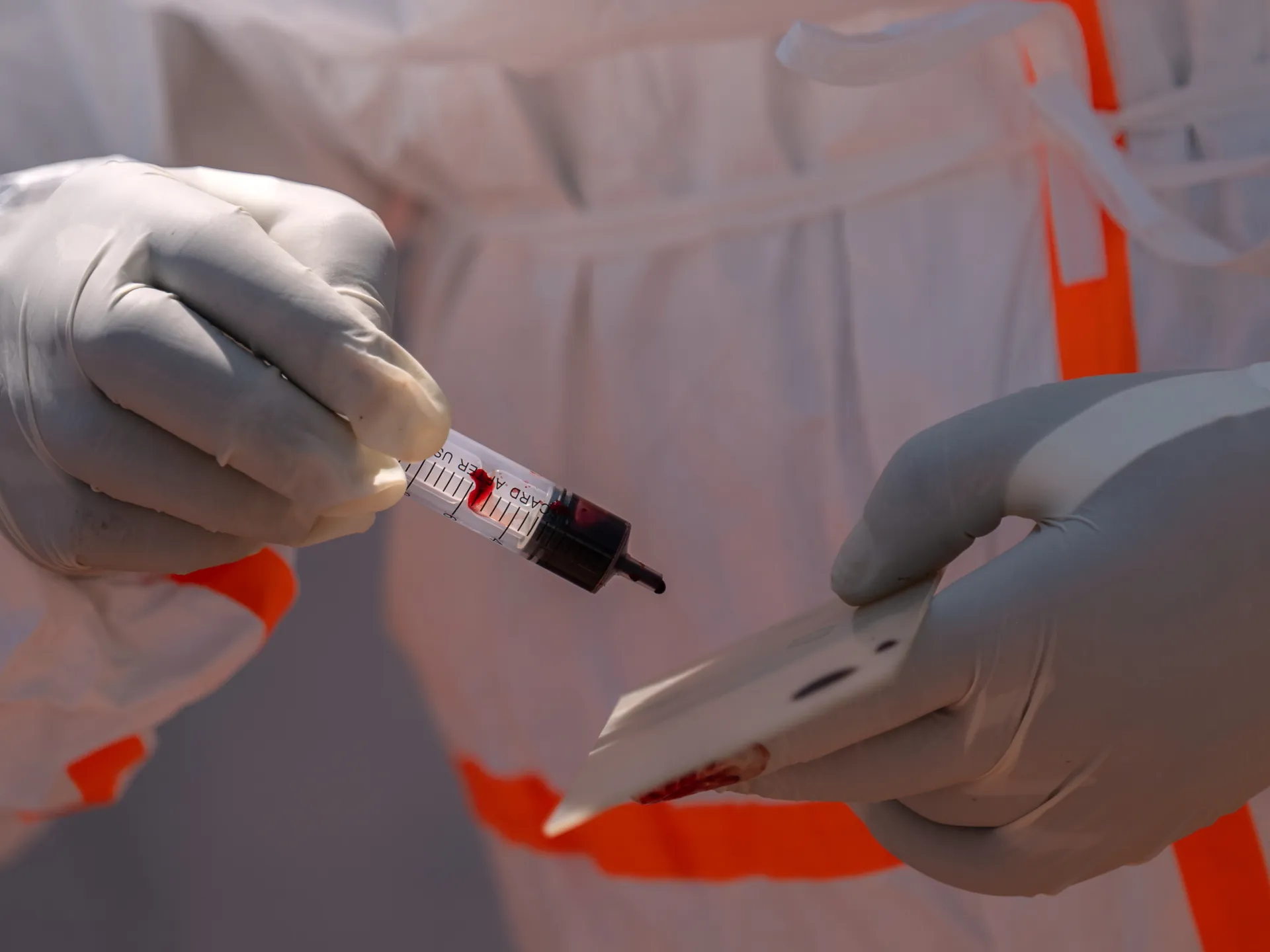
Ebola Risk for World Cup Deemed Low, Yet US Health Systems Remain Vigilant
As the 2026 World Cup commenced, infectious disease specialists in the United States have reiterated that the likelihood of an Ebola-infected individual arriving in the country is minimal, though not entirely absent. Should such an event occur, US medical facilities are reportedly equipped to manage the situation, a significant improvement from previous years.
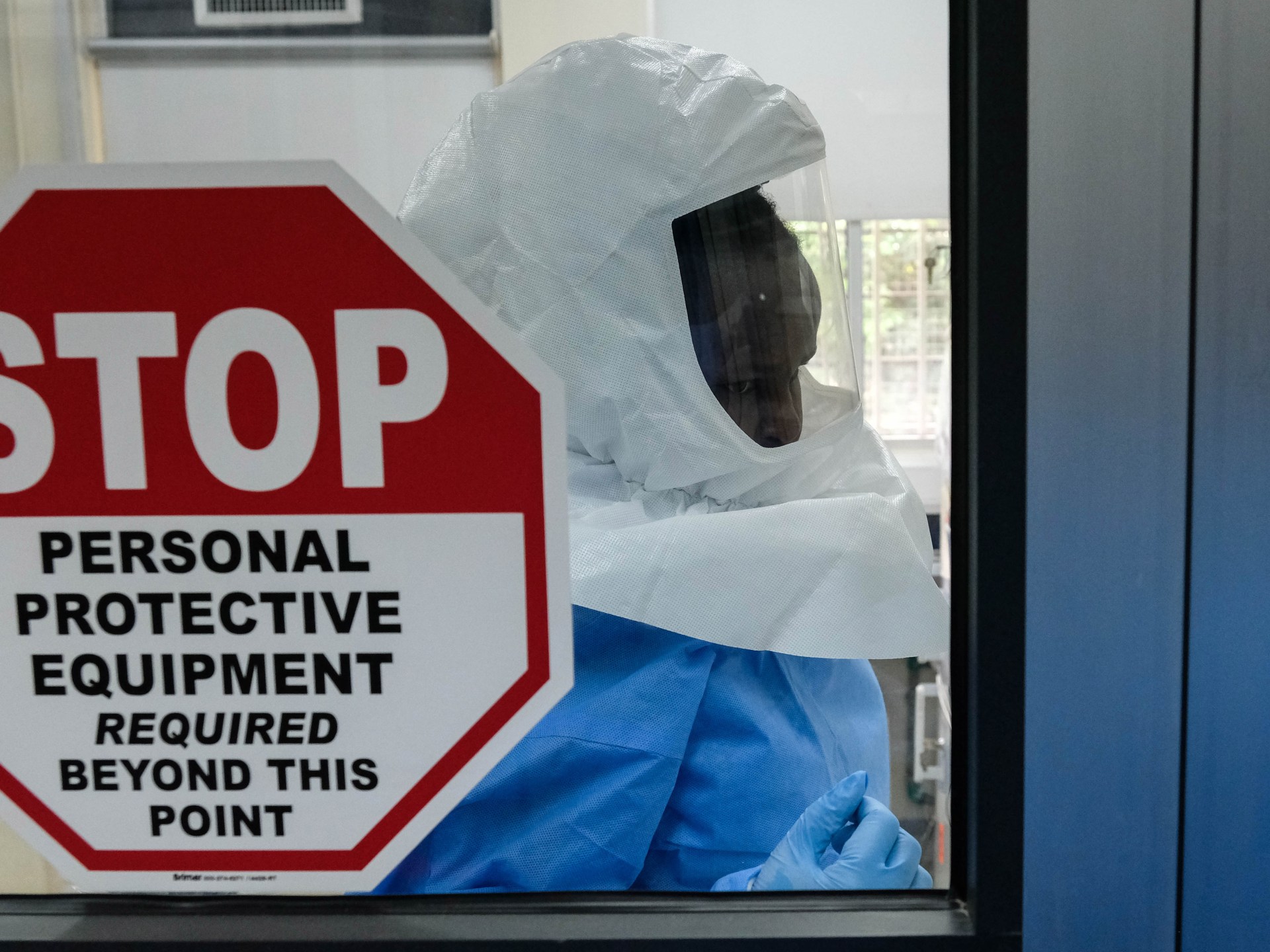
The current state of readiness is a direct result of lessons learned from the 2014 West African Ebola epidemic. During that period, Thomas Eric Duncan, a Liberian national, presented with Ebola symptoms at a Dallas hospital but was initially turned away. His subsequent admission led to two nurses contracting the virus, both of whom ultimately recovered. This incident spurred a substantial investment of $260 million into US Ebola preparedness, funding specialized training and the establishment of 13 dedicated treatment centers. These initiatives were designed to bolster hospitals' capacities to identify, isolate, and provide safe care for suspected Ebola patients.
Dr. Gavin Harris, an expert in serious communicable diseases at Emory University in Atlanta, one of the 11 US host cities for the World Cup, acknowledged that preventing all infections is impossible. However, he emphasized that the US is now more prepared than ever before. Public health officials and hospitals in the host cities have been actively preparing for a spectrum of infectious disease threats, anticipating the movement of approximately 6.5 million fans across North America during the 39-day tournament, which encompasses 104 matches across the US, Mexico, and Canada.
International Health Organizations Assess Risks
Both the US Centers for Disease Control and Prevention (CDC), the Pan American Health Organization (PAHO), and the World Health Organization (WHO) have consistently characterized the risk of Ebola to World Cup host nations as low. These organizations have identified more common illnesses such as measles, COVID-19, and influenza—diseases known to spread readily in large crowd settings—as more probable threats. Nevertheless, an ongoing Ebola outbreak in the Democratic Republic of Congo (DRC), which has affected over 675 individuals and resulted in more than 135 fatalities, remains a point of concern.
Dr. Tom Frieden, CEO of Resolve to Save Lives and former CDC director, underscored that while the risk of Ebola at the World Cup is 'extremely low' due to its transmission requiring direct contact with bodily fluids, 'low isn't zero.' He stressed that the risk would persist until the outbreak in the DRC is fully contained.
Evolution of US Ebola Preparedness
The US Ebola preparedness initiatives, initiated in 2015, emerged from a collaborative effort involving Emory University, the University of Nebraska Medical Center, and NYC Health + Hospitals/Bellevue in New York City. These institutions were instrumental in treating Ebola patients during the West African outbreak, the largest recorded to date. Dr. Harris noted a collective recognition of the duty to educate other facilities on recognizing and managing potential patients exposed to or infected with pathogens like Ebola. Consequently, thousands of healthcare professionals have received training in identifying and treating Ebola and other severe pathogens.
In preparation for the World Cup, experts have conducted nationwide training exercises, including simulations of a potential MERS outbreak. Additionally, comprehensive guidance has been developed for physicians, raising awareness about illnesses not typically endemic to their regions, such as mosquito-borne diseases like malaria, dengue, and chikungunya.
Travel Restrictions and Local Coordination
The US, Mexico, and Canada have implemented airport screenings and travel restrictions, prohibiting non-citizens who have recently visited Ebola-affected countries from entering. The US has also urged European nations to adopt similar measures. Harris indicated that these travel bans are likely to reduce the probability of Ebola cases at World Cup venues. In adherence to US regulations, the DRC national football team departed their country in May to train in Belgium before traveling to the US.
Within each host city, FIFA, local public health authorities, and hospital systems have established medical committees. These committees have been conducting assessments for Ebola and other infectious disease threats, considering factors such as the teams scheduled to play, prevalent diseases in their home countries, visa restrictions, and stadium logistics. Some regions have explored providing disease-specific treatments or protective equipment at venues and are utilizing surveillance methods, including wastewater monitoring, air quality data, and electronic medical records, to detect unusual clusters of illness.
FIFA affirmed that medical risks are evaluated as part of the overall tournament planning, managed in close coordination with host cities that appoint medical leaders to oversee and coordinate services. The organization stated it is monitoring the Ebola outbreak and maintains communication with sporting and health authorities in the DRC and the three host countries.
Ongoing Challenges and Public Health Strains
Dr. Michael Osterholm, an infectious disease expert at the University of Minnesota, highlighted that planning for large-scale gatherings in the US is a long-standing practice, with state and local health departments, in conjunction with the CDC, playing a crucial role in monitoring individuals entering the country.
To bolster disease monitoring and coordination, Georgetown University has established an independent Health Security Operations Center, collaborating with over 30 public and private sector entities. More than 700 state and local health authorities, along with approximately 60 federal partners, FIFA, and the CDC, subscribe to the group’s daily reports. However, Dr. Frieden and other experts expressed concerns regarding the impact of staff reductions at the CDC, the US's withdrawal from the WHO, and the strain on state and local health departments battling the most significant US measles outbreak in decades. Dr. Frieden specifically questioned whether a CDC that has experienced significant staff losses retains the capacity, support, and mandate to respond rapidly both domestically and in the DRC. The US Department of Health and Human Services, which oversees the CDC, did not provide a comment on this matter. Jeanne Marrazzo, chief executive of the Infectious Diseases Society of America, pointed to cuts in public health funding as a cause for an exodus from government agencies. Despite these challenges, she commended the dedication of remaining staff, who are working tirelessly to ensure public safety.
Source: Ebola risk for World Cup is ‘extremely low’, but US is ready, experts say
Related Articles
 health
Ebola Outbreak in DRC Expected to Worsen Before Improvement, Red Cross Warns
 health
DRC Ebola Outbreak Intensifies Amidst Conflict and Containment Challenges
 health
Gaza Faces Health Crisis as Molokhia Becomes a Toxic Tobacco Substitute
 health