
A Century of Stalled Diplomacy: US-Iran Peace Efforts
As 100 days have passed since the initial strikes by the United States and Israel on Tehran on February 28, a lasting peace agreement between the US and Iran remains elusive. While a temporary ceasefire, brokered by Pakistan, brought a halt to major armed hostilities after April 8, subsequent direct and indirect negotiations have repeatedly faltered, often at critical junctures.
The conflict, which began with the joint US-Israeli 'Operation Epic Fury' and saw Iranian retaliation against Israeli and US military assets in the Gulf, has seen a series of proposals for peace exchanged via Pakistan since direct talks broke down on April 12. However, recurring flare-ups have heightened concerns about a potential return to full-scale conflict.
Direct Talks in Islamabad: A Brief Glimmer of Hope
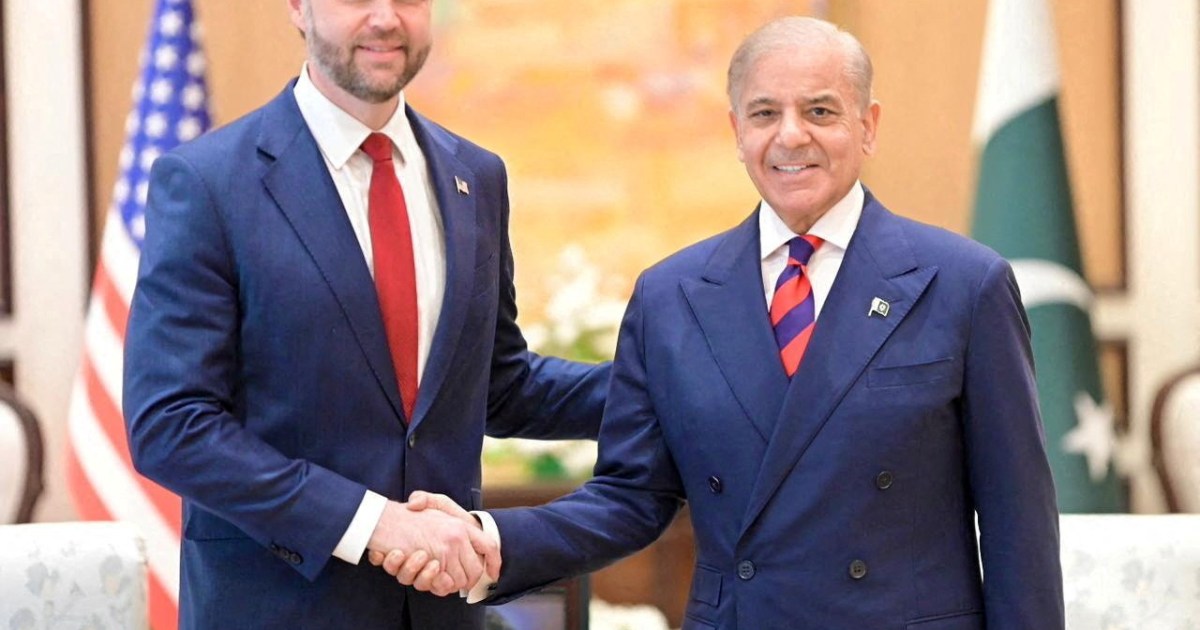
From April 11 to 12, representatives from the US and Iran convened in Islamabad, Pakistan, marking the first direct talks between the two nations since the 1979 Islamic revolution. The US delegation, led by Vice President JD Vance and including Special Envoy Steve Witkoff and Jared Kushner, engaged with Iranian negotiators, among them Foreign Minister Abbas Araghchi, Parliament Speaker Mohammad Bagher Ghalibaf, and senior national security official Ali Bagheri Kani.
Prior to these discussions, Ghalibaf publicly stated Iran's non-negotiable demands: a ceasefire by Israel in Lebanon and the unfreezing of Iranian assets abroad. Israel has been conducting nearly daily strikes on Lebanon since March 2 and currently occupies a significant portion of the country, following Hezbollah's retaliatory strikes on northern Israel. Pakistani Prime Minister Shahbaz Sharif had underscored the gravity of the moment, calling it a "make-or-break moment for lasting peace."
Why the Islamabad Talks Failed
Despite indications that Iranian officials were prepared to extend the negotiations, the US delegation chose to conclude the talks. Vice President Vance acknowledged "substantive discussions" but lamented the failure to reach an agreement. He stated that while Washington demonstrated flexibility, Tehran had rejected its "final and best offer," specifically refusing to provide an "affirmative commitment" against developing nuclear weapons in the long term. Iran's ambassador in Islamabad characterized the talks as a "process" that laid a "foundation" for future engagement, yet no direct talks have occurred since.
A primary point of contention remains Iran's nuclear capabilities. Iran is estimated to possess 440kg of uranium enriched to 60 percent, a level significantly higher than the 3-5 percent typically required for civilian energy and closer to the 90 percent needed for weapons-grade material. While Tehran maintains its nuclear program is for peaceful purposes, the US, Israel, and other Western nations express concerns about its potential for weaponization. The US demands the handover of this 60 percent enriched uranium, a demand Iran rejects.
Naysan Rafati, a senior Iran analyst at the International Crisis Group, observed that in instances where an agreement seemed near, "a combination of progress on certain issues, and deadlock on others" has been the pattern. He highlighted differences in both the substance and sequencing of an agreement regarding Iran's nuclear program, with Tehran preferring to defer details and Washington seeking clarity upfront.
Naval Blockade and the Strait of Hormuz
Just four days after the Islamabad talks concluded, Washington announced a naval blockade of Iranian ports, a significant escalation aimed at curtailing Iran's oil revenue. This move undermined any perceived momentum towards peace.
The Lebanon 'Ceasefire' and its Collapse
On April 16, a 10-day ceasefire between Israel and Lebanon was announced, intended to facilitate negotiations for a more permanent security agreement. This followed six weeks of intense fighting between Israel and Hezbollah, an Iran-backed Lebanese group. As Tehran had consistently indicated that an end to hostilities in Lebanon was a prerequisite for any broader peace plan, this ceasefire initially sparked hopes for a wider agreement with Iran. However, Israel continued its strikes on Lebanon, with the Norwegian Refugee Council estimating nearly 600 fatalities in the month following the ceasefire's announcement. Iran views peace in Lebanon as a critical red line, and Israel's continued actions proved irreconcilable.
Hormuz Restrictions and US Sanctions
On April 17, following the Lebanon ceasefire announcement, Iranian Foreign Minister Araghchi indicated that passage for all commercial vessels through the Strait of Hormuz would be "completely open" for the duration of the ceasefire. The Strait, a vital chokepoint for global oil and LNG supplies, had seen Iran restrict shipping since early March, with some vessels reportedly paying substantial fees to the Islamic Revolutionary Guard Corps for transit.
However, despite Araghchi's announcement, US President Trump declared that the US naval blockade of Iranian ports would "remain in full force" until a comprehensive deal was reached. Iran countered, stating that if its ships were blocked, no other vessels would be permitted passage, leading to subsequent incidents involving foreign-flagged ships. Rafati noted that unlike previous negotiations centered on Iran's nuclear program, the current conflict has brought the Strait of Hormuz to the forefront. Iran seeks to maintain influence over the Strait, while the US aims for a return to pre-war navigation freedom, free from threats or tolls. Washington also seeks to avoid providing financial relief to Tehran without significant nuclear concessions.
Trump's Frustration with Netanyahu
On June 1, reports emerged from Axios, citing US officials, of a contentious phone call between President Trump and Israeli Prime Minister Benjamin Netanyahu. The call reportedly followed Israel's capture of Beaufort Castle in southern Lebanon and Iran's threats to abandon negotiations due to Israel's continued attacks. Trump reportedly accused Netanyahu of ingratitude and called him "crazy," leading to speculation that the US might finally pressure Israel to cease its actions in Lebanon. However, despite an unnamed Israeli source suggesting a cessation of attacks, Israeli strikes in Lebanon continued, including a recent air raid in Doueir that killed one person, and forced displacement orders for several southern Lebanese villages.
Source: Al Jazeera
Related Articles
 world
world
US Central Command Publishes Footage of Strikes Against Iranian Targets
 world
world
Allegations of Sexual Violence Surface in Israeli Detention Facilities
 world
world
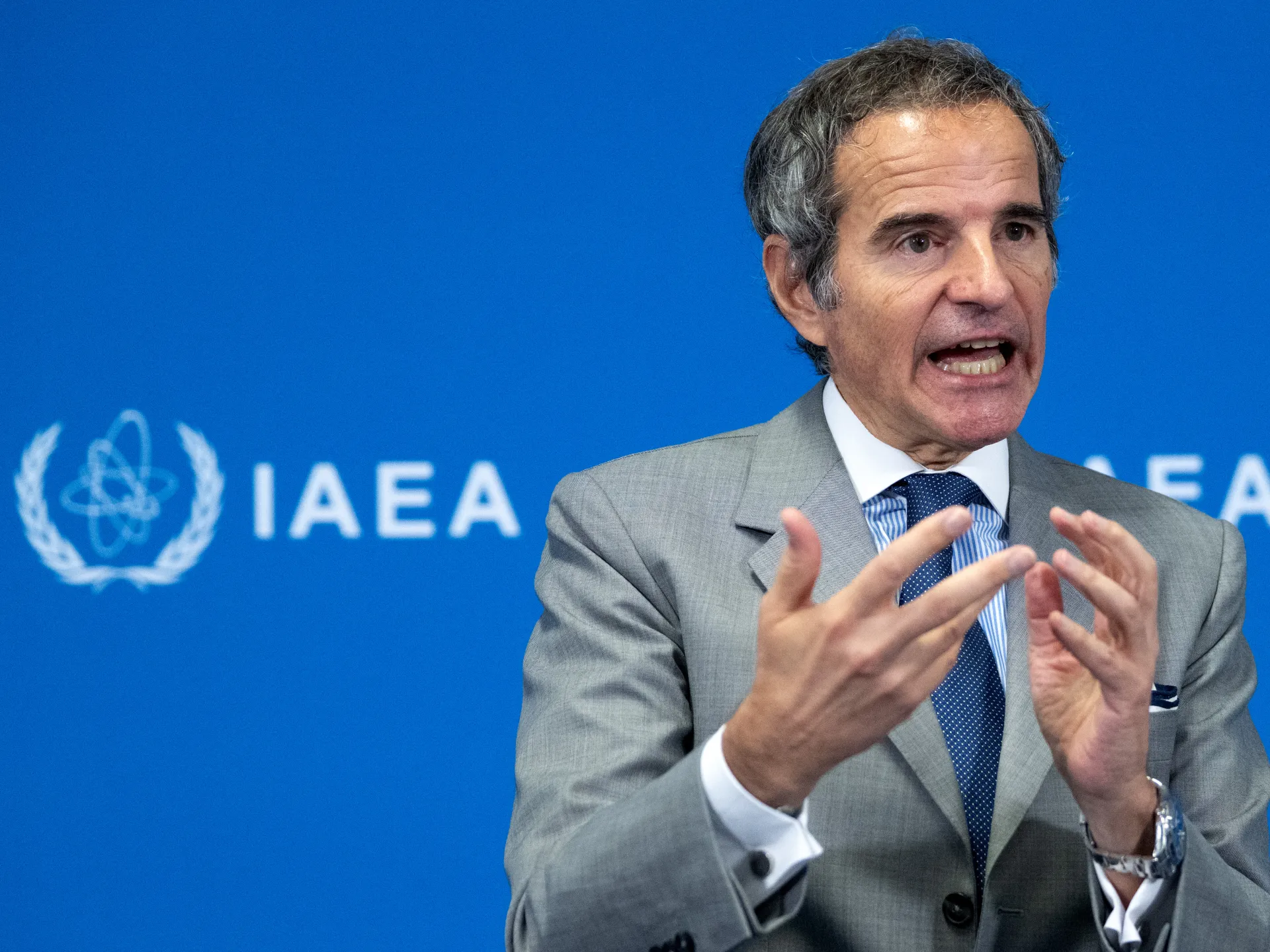
UN Watchdog Demands Iran Account for Enriched Uranium Stockpiles Amid Regional Tensions
 world
world