
Thousands Displaced by Anti-Immigrant Sentiment
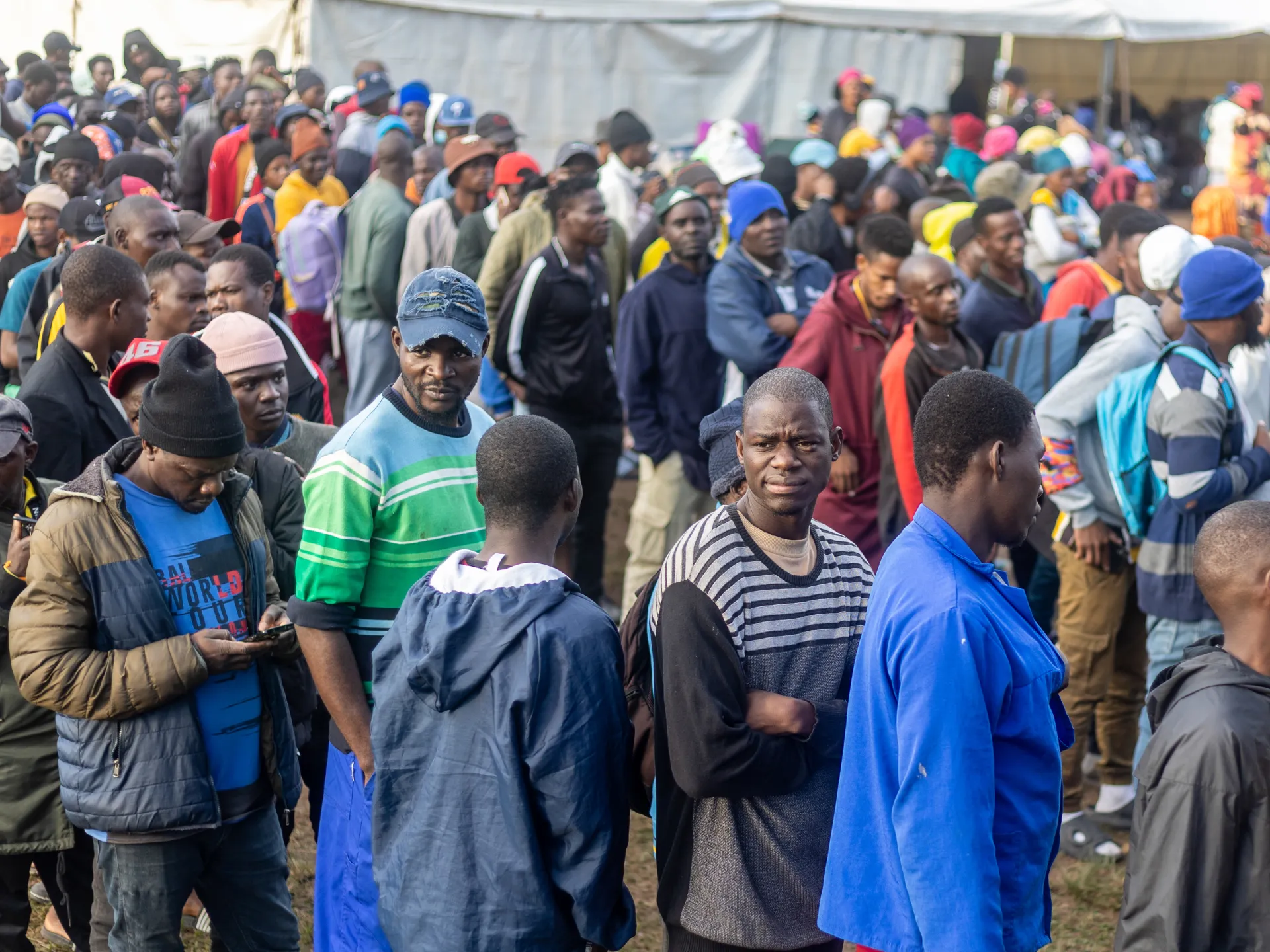
More than 3,000 Malawian citizens, including a significant number of children, have been displaced from their residences across South Africa and are currently sheltering in an open field in Durban, a major port city. This exodus follows a period of increasing anti-immigrant rhetoric and physical threats that have swept through various parts of the country. Groups, often armed with objects such as sticks and whips, have been observed marching and demanding that undocumented foreign nationals depart by a looming June 30 deadline.
The impromptu settlement in Durban has evolved into a temporary transit camp, where many individuals expressed that returning to Malawi is their only viable and safe alternative. Falesi Chukuwumba, a Malawian national, highlighted the difficult conditions, stating, “It’s hard to stay here. You can see we are outside. How can we stay in this cold? Our children can get sick.”
Sayiba John, a 33-year-old Malawian woman, recounted fleeing Nazareth township with her husband and three children. Her daughter, a second-grade student, was compelled to discontinue her examinations. “They said we must go. We have no choice in the matter,” John explained. “It’s better our government take us away from here than to face the anger of the South Africans.”
Ellen Mwamulima, a 45-year-old widow and mother of three, previously worked as a domestic helper in Mossel Bay, Western Cape. She described escaping a mob that nearly apprehended her, forcing her to hide in the bush for two weeks. “It’s been very difficult because we lost everything, they burnt our houses and all our belongings,” Mwamulima stated, detailing the extensive losses suffered.
Political Backing and Economic Grievances
These anti-migrant demonstrations have received support from the MK Party, a political entity led by former President Jacob Zuma, which holds considerable influence, particularly within KwaZulu-Natal province. When the party called for a march against undocumented migrants, thousands of supporters responded.
Protesters frequently articulate concerns that foreign nationals are usurping job opportunities and other economic prospects that they believe rightfully belong to South African citizens. Mythobisi Sabelo, one of the demonstrators in Durban, commented, “There are undocumented foreigners working everywhere in our business field. People here have been trying to find work for a long time and given up. It’s becoming an issue.” This sentiment underscores the perception among some South Africans that foreign workers contribute to local unemployment and economic hardship.
Wider Regional Impact and Historical Context
While demonstrators attribute South Africa's economic and social challenges to foreign nationals, critics argue that such blame is misdirected, particularly when aimed at migrants from other African countries. The recent surge in violence and threats has not been confined to KwaZulu-Natal; it has spread to other regions, including Mossel Bay, where five Mozambican nationals were reportedly killed.
In response to the escalating situation, several countries have initiated repatriation efforts for their citizens. Over the past weekend, more than 150 Malawians were transported out of the Western Cape province. Ghana, Zimbabwe, and Mozambique have already repatriated hundreds of their nationals this month. A flight carrying the initial group of Nigerian migrants is also scheduled to depart from Johannesburg. Additionally, approximately 150 migrants from Burundi, Ethiopia, and Zimbabwe are seeking refuge at a government facility near the Durban park.
South Africa has a history of recurring xenophobic violence, with significant outbreaks dating back to 2008, which resulted in numerous fatalities and the displacement of thousands of migrants. The country hosts an estimated three million foreign nationals, constituting about 5 percent of its total population. Over 63 percent of these foreigners originate from countries within the Southern African Development Community (SADC) bloc.
This latest escalation of anti-immigrant sentiment and violence coincides with a period of intense political campaigning, as parties prepare for local government elections slated for November. The timing suggests that migration issues may be becoming a prominent, and often contentious, theme in the political discourse leading up to the polls.
Source: Original Article
Related Articles
 world
world
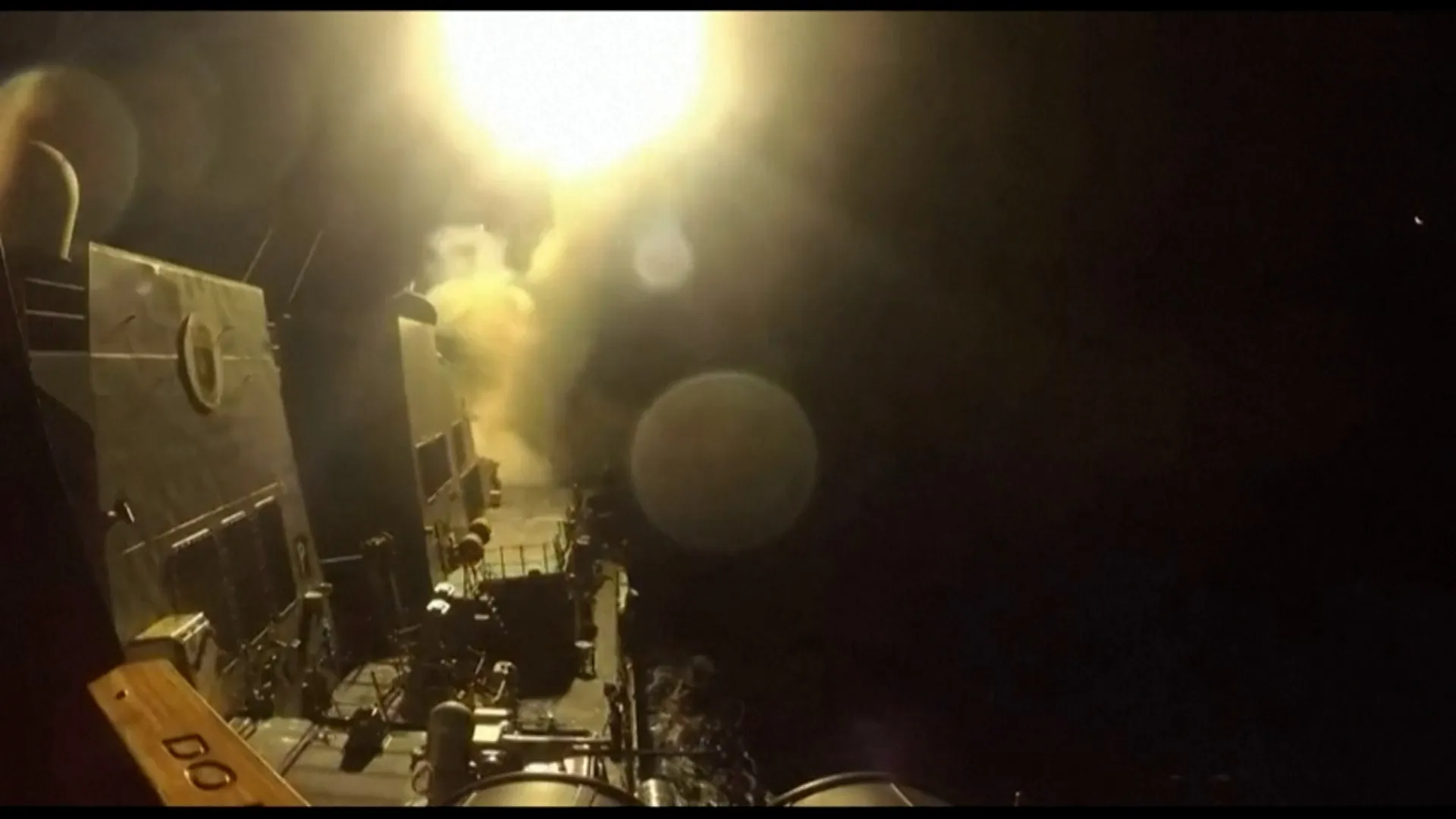
US Central Command Publishes Footage of Strikes Against Iranian Targets
 world
world
Allegations of Sexual Violence Surface in Israeli Detention Facilities
 world
world
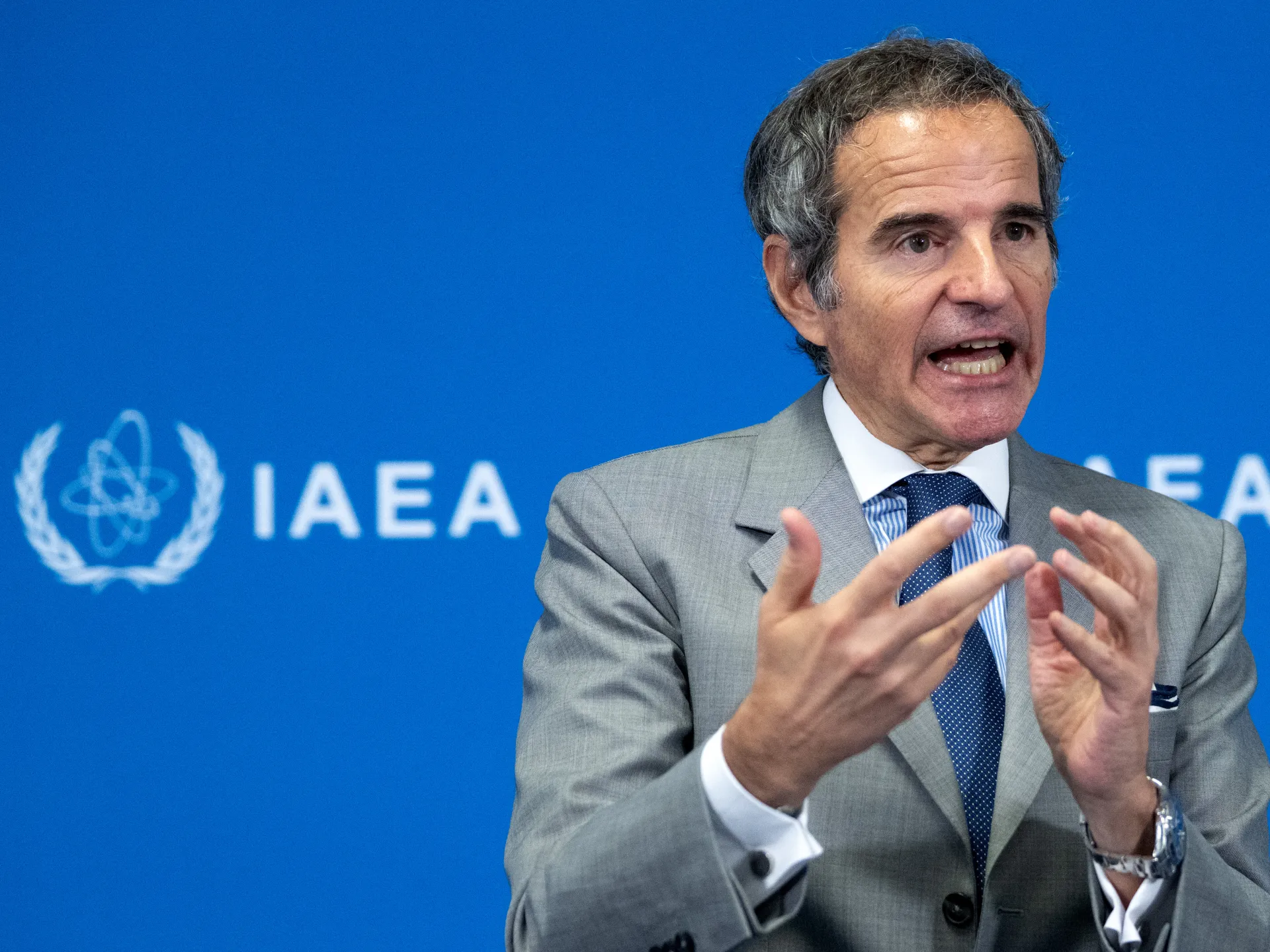
UN Watchdog Demands Iran Account for Enriched Uranium Stockpiles Amid Regional Tensions
 world
world