
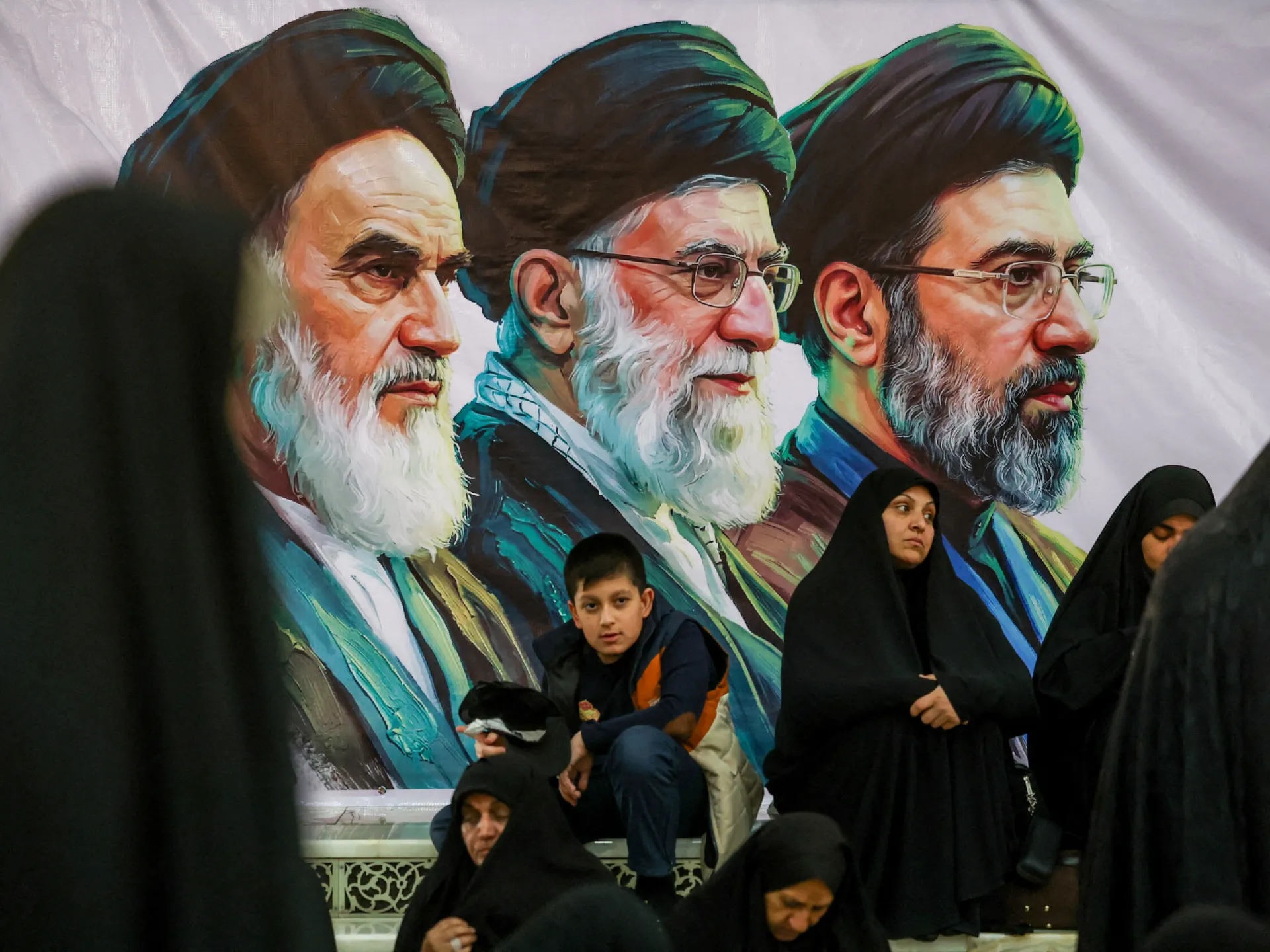
Diplomatic Progress Amidst Disagreement on Timeline
As the conflict between the United States and Iran reaches its 107th day, reports indicate a significant movement towards the initial stage of a peace agreement. While both Washington and Tehran acknowledge progress, a precise timeline for the signing remains a point of divergence. US President Donald Trump and Pakistani mediators have suggested an agreement could be finalized as early as Sunday. However, Iran's Ministry of Foreign Affairs has countered this optimism, stating that Sunday is not the designated date and that an exact schedule has yet to be established.
This ongoing diplomatic effort aims to de-escalate tensions and potentially bring an end to the protracted conflict that has impacted regional stability. The proposed deal encompasses several critical points, including the lifting of a US blockade on Iranian ports and a cessation of hostilities across various fronts, particularly in Lebanon. The Strait of Hormuz, a crucial waterway for global oil shipments, is also a central element of the discussions, with the US indicating it would be immediately accessible to all once a framework deal is signed.
Iranian Perspectives on the Emerging Deal
In Iran, the prospect of a peace deal is viewed through the lens of recent national experiences. Mohammad Bagher Ghalibaf, Iran's principal negotiator, emphasized the nation's steadfastness, stating on X (formerly Twitter) that Iranians would persist until achieving 'final victory.' This declaration coincided with the first anniversary of a 12-day conflict, during which Iranian President Masoud Pezeshkian asserted that Israeli attempts to undermine the Iranian nation were unsuccessful. Pezeshkian credited Iran's unity with compelling the adversary to agree to a ceasefire.
Iran's Foreign Minister, Abbas Araghchi, provided further details regarding the proposed agreement, outlining 14 key points. Among these, the immediate lifting of the US blockade on Iranian ports stands out as the first crucial step. The Memorandum of Understanding (MoU) also explicitly calls for an end to all hostilities, including those in Lebanon, and a mutual commitment to refrain from initiating war or using force. This comprehensive approach aims to address the multifaceted nature of the conflict and lay the groundwork for a more stable regional environment.
US and Mediators' Statements
US President Donald Trump utilized Truth Social to communicate his perspective on the impending deal, asserting that the Strait of Hormuz would be 'OPEN TO ALL' immediately following the signing of a framework agreement. He reiterated that the deal was scheduled for signing on Sunday. However, Iranian Foreign Ministry spokesman Esmaeil Baghaei tempered these expectations, confirming that while a signing date was not yet set, it would not be Sunday. Despite this, Baghaei acknowledged that the possibility of the agreement being finalized 'in the coming days cannot be ruled out.'
Pakistani Prime Minister Shehbaz Sharif, a key mediator in the negotiations, also weighed in, stating on X that the 'finalization' of the agreement was anticipated 'within the next 24 hours.' Sharif added that the signing would occur electronically, though he did not elaborate on the specific mechanisms. Al Jazeera's Kimberly Halkett, reporting from Washington, DC, noted that while President Trump had suggested a virtual signing ceremony, his official schedule for Sunday did not explicitly list such an event, though it could be added. From Tehran, Al Jazeera's Almigdad Alruhaid observed that while a deal appeared closer than ever, Iranian officials had not yet made a final announcement regarding the signing. He highlighted that 24 hours had passed since Foreign Minister Araghchi mentioned that Iranians were reviewing the draft text of the MoU.
Regional Reactions and Ongoing Tensions
The potential agreement has elicited varied responses across the region. Israeli Prime Minister Benjamin Netanyahu, who initiated the conflict alongside the US in February, stated that President Trump had assured him that any agreement would include the removal of enriched nuclear material. This indicates Israel's ongoing concerns regarding Iran's nuclear program and its desire for assurances within any peace framework.
In the US, Democratic lawmakers have expressed skepticism about the proposed deal. Senator Adam Schiff of California described the potential agreement as 'basically a surrender document,' questioning its efficacy and referencing past unfulfilled promises. Meanwhile, military activities continue despite the diplomatic overtures. The US military's Central Command (CENTCOM) reported that Iranian forces had launched multiple attack drones targeting commercial ships in the Strait of Hormuz, all of which were subsequently downed by US forces. This incident underscores the persistent security challenges in the region even as peace talks progress.
In Lebanon and Israel, tensions remain high. Al Jazeera's Heidi Pett reported from Beirut on continued Israeli airstrikes in Lebanon, which resulted in fatalities in various districts. Hezbollah, in response, stated it had targeted advancing Israeli soldiers. Israel's military reported air sirens in northern Israel following a 'hostile aircraft infiltration,' with suspicious aerial targets identified near the Israel-Lebanon border. The anticipated agreement has also generated criticism within Israel, with some commentators, like Ben Caspit of Maariv, expressing concerns that it might inadvertently empower Iran, arguing that the political defeat could outweigh recent military victories.
Source: Original Article
Related Articles
 world
world
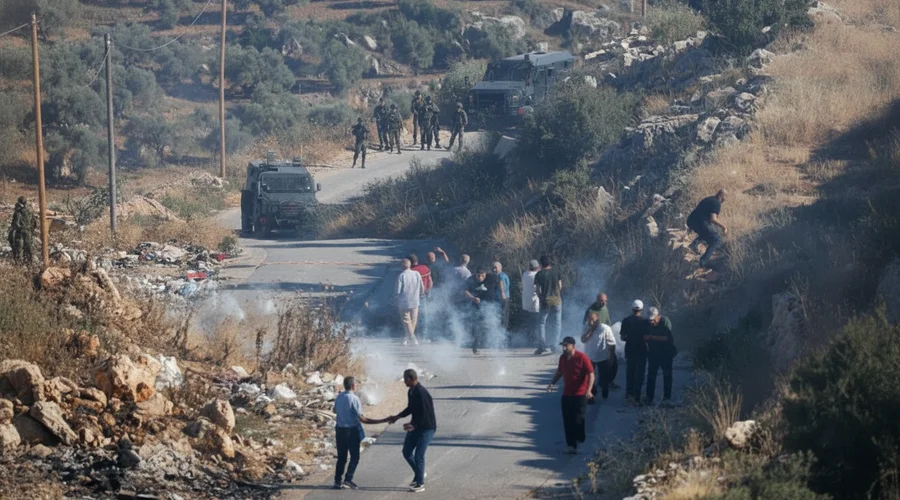
International Sanctions Target Settlers Amidst Escalating West Bank Tensions
 world
world
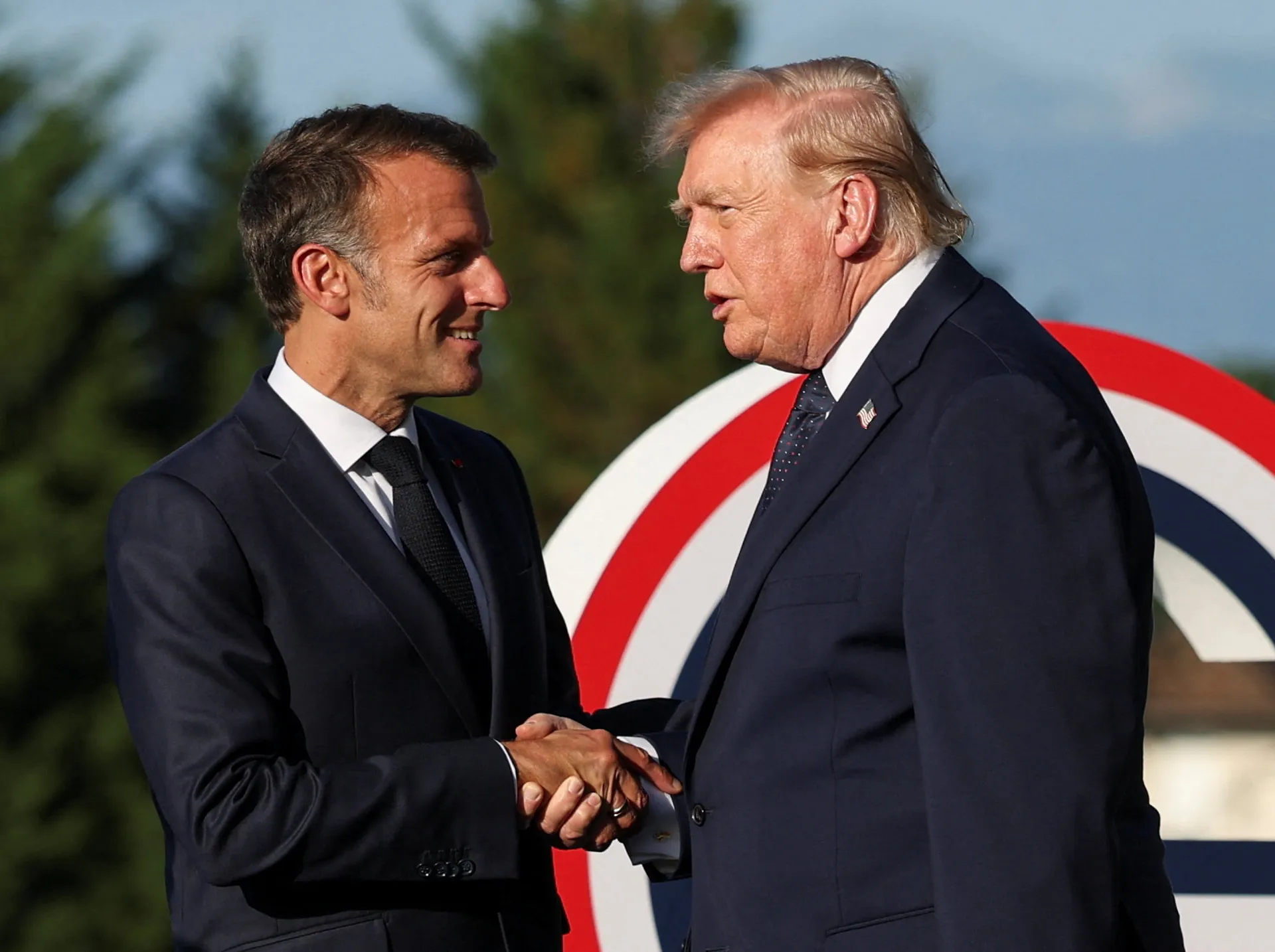
G7 Leaders Convene in France Amidst Critical Discussions on Iran and Ukraine
 world
world
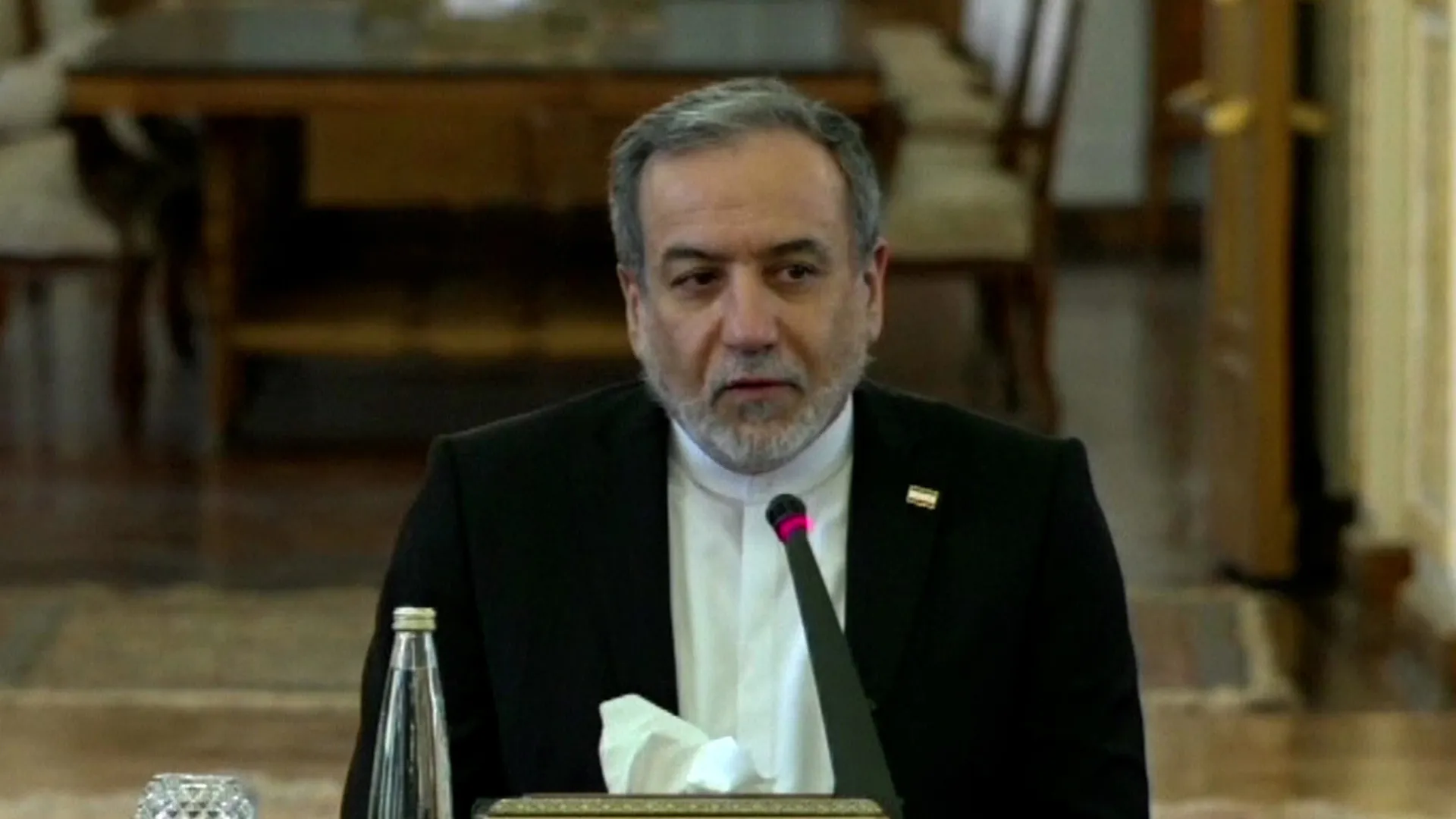
Iran Cautions Against Israeli Presence in Lebanon, Citing Potential US Accord Violation
 world
world