Overview of the US-Iran Agreement
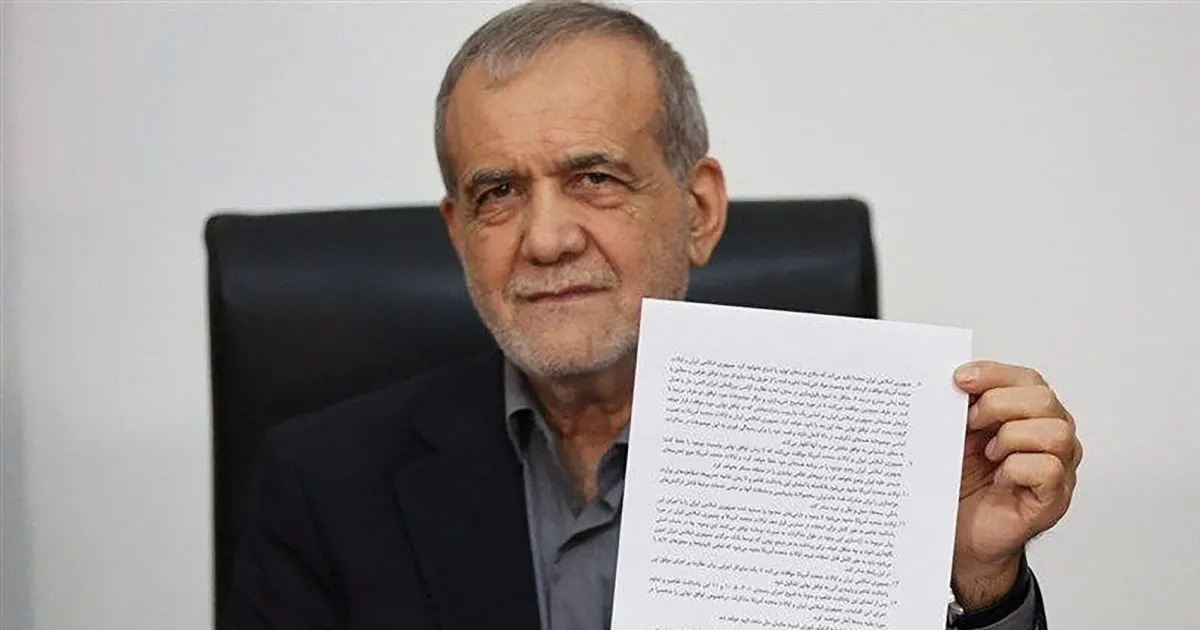
The United States recently disclosed details of a 14-point memorandum of understanding (MoU) reached with Iran, intended to bring an end to ongoing military operations. While a physical copy of the agreement has not yet been released, a US official outlined its contents during a press briefing. Iranian officials have not yet publicly confirmed the US version of the text. This document, signed by US President Donald Trump in Versailles, had initially been scheduled for a ceremony in Switzerland. Experts suggest that despite providing a framework, the agreement leaves numerous critical questions unanswered, particularly concerning several long-standing points of contention between the two nations.
Lebanon's Status and the Agreement
The initial clause of the MoU specifies an agreement between the US and Iran for the “immediate and permanent termination of military operations on all fronts, including in Lebanon.” Furthermore, it commits both parties to uphold Lebanon's “territorial integrity and sovereignty.” However, the agreement conspicuously omits any mention of Israel, which currently occupies a substantial portion of Lebanon and has conducted frequent strikes since early March, resulting in significant casualties and displacement. Given that Israel and Hezbollah—a Lebanese group with which it is engaged in conflict—are not signatories, the practical implementation of a ceasefire in Lebanon remains ambiguous. The MoU also does not explicitly address Iran's financial support for various proxy groups across the region, including Hezbollah.
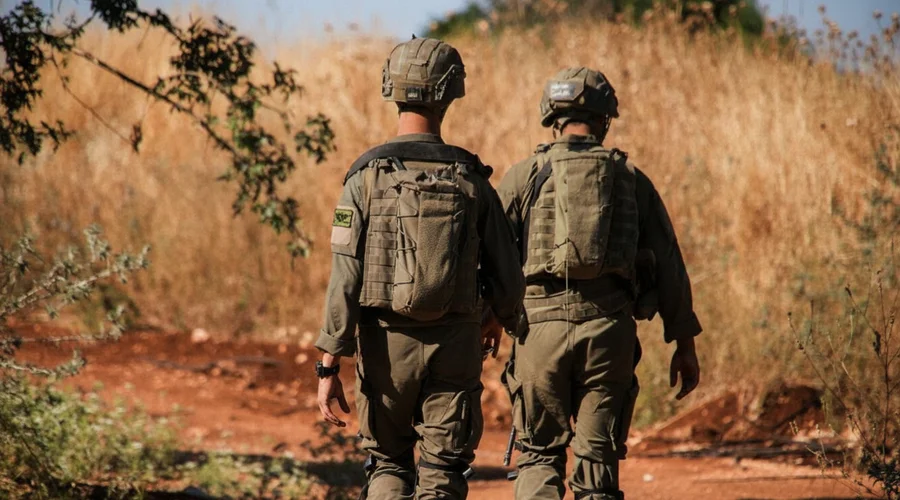
Israel has consistently stated its refusal to withdraw from Lebanon. Defence Minister Israel Katz affirmed that the military would maintain its presence in security zones within Lebanon, Syria, and Gaza indefinitely to safeguard Israeli borders and communities. Lebanon has been a central point of contention in the negotiations, with Tehran repeatedly asserting that an end to Israeli military actions in Lebanon is a prerequisite for any broader peace settlement. Prior to direct talks in Pakistan in April, Iranian Parliament Speaker Mohammad Bagher Ghalibaf publicly declared that an Israeli ceasefire in Lebanon and the unfreezing of Iranian assets were non-negotiable demands for Tehran. Despite a previously announced 10-day ceasefire between Israel and Lebanon in April, Israel continued its military operations in Lebanon even as Washington and Tehran signaled progress towards a deal.
Stance on Regime Change in Iran
Paragraph two of the MoU states that the US and Iran will “undertake to respect each other’s sovereignty and territorial integrity, and to refrain from interfering in each other’s internal affairs.” This provision appears to signal a shift in the Trump administration's approach, potentially indicating a relinquishment of aspirations for regime change in Iran. In recent weeks, President Trump has sought to distance himself from this objective. During the G7 summit in France, he claimed he “never cared about regime change,” despite earlier statements. However, following the initial strikes on Tehran in February, Trump had suggested that one of the objectives was to force regime change, addressing the Iranian people on social media with a message indicating their “freedom is at hand” and urging them to “take over your government.”
Future of Shipping in the Strait of Hormuz
The fourth paragraph of the agreement outlines that the US will initiate the removal of its naval blockade and fully lift it within 30 days, also committing to withdraw its forces within 30 days after the final deal. The fifth point stipulates that Iran will endeavor to ensure the safe passage of commercial vessels through the Strait of Hormuz for 60 days without charge, from the Persian Gulf to the Sea of Oman and vice versa. Iran is also slated to engage in dialogue with Oman to define future administration and maritime services in the strait. Control over the Strait of Hormuz has been a significant point of leverage for Iran in peace negotiations. Following US-Israeli strikes, Iran closed the strait to shipping, prompting a corresponding US naval blockade on Iranian ports, exacerbating global oil and gas supply disruptions. While Iran has occasionally permitted passage for select vessels, shipping companies reportedly had to negotiate with the Islamic Revolutionary Guard Corps (IRGC), with some allegedly paying substantial tolls. Insurance premiums for ships in the strait have either surged or been withdrawn, and many operators are hesitant to resume voyages without assurances regarding mine clearance. Previous Iranian proposals for ending the conflict included charging transit tolls, which Washington and other nations have consistently rejected. Under international maritime law, tolls for passage in natural straits like Hormuz are generally impermissible, although adjacent countries can charge for services. The 14-point agreement provides limited clarity on this, with Iran’s lead negotiator Ghalibaf stating that the “Strait of Hormuz will not return to pre-war conditions” and Iran will “receive a fee for services” to shipping.
Iran's Enriched Uranium Stockpile
Clause eight of the agreement reaffirms Iran's commitment “not to procure or develop nuclear weapons.” It also states that the US and Iran have agreed to resolve the disposition of Iran’s stockpiled enriched material through a mutually agreed mechanism, with the minimum methodology being “down-blending on site under the supervision of the IAEA.” Iran’s uranium enrichment program has been a major source of contention. While Iran has consistently asserted its right to develop a nuclear power program and denied intentions to build nuclear weapons, it is estimated to possess 440kg of uranium enriched to 60 percent. This level is significantly higher than the 3-5 percent required for nuclear power generation and brings it closer to the 90 percent needed for weapons-grade material. Western nations, including the US, suspect Iran is developing the capacity to build nuclear weapons. While the US has advocated for Iran to transfer its enriched uranium stockpile, Iran has consistently refused, though it has at times seemed open to transferring it to a third country. Recent reports indicated that Supreme Leader Mojtaba Khamenei had issued a directive prohibiting the export of Iran’s enriched uranium. This clause in the agreement suggests the US may accept Iran diluting its stockpile to nuclear power levels through down-blending, likely under IAEA supervision, an irreversible process. It emerged that during informal negotiations in Geneva in February, Tehran had already offered to down-blend its 60 percent enriched stockpile to 3.67 percent, prior to the US and Israeli attacks.
Reparations and Sanctions
The term “reparations” is not explicitly mentioned in the agreement. However, clause six states that the US “undertakes with regional partners to develop a definitive, mutually agreed plan with at least $300bn for the reconstruction and economic development of the Islamic Republic of Iran.” It further specifies that all necessary licenses, waivers, and permissions for relevant financial transactions will be granted by the US. Details regarding who would fund this sum or any restrictions on its expenditure are not provided. President Trump has previously suggested that Gulf countries might contribute, insisting US taxpayers would not bear the cost. The Gulf countries, presumed to be the “regional partners,” have not yet commented.
Regarding sanctions, clause seven states that the US “undertakes to terminate all types of sanctions against Iran in an agreed-upon schedule as part of the final deal.” However, it does not clarify whether this applies solely to US sanctions or also includes UN-mandated sanctions. Iran is among the most heavily sanctioned countries globally, having faced US sanctions for decades. The lifting of some secondary sanctions under the 2015 nuclear agreement, which the Trump administration withdrew from in 2018, was reversed. Billions of dollars in Iranian assets remain frozen in foreign banks, which Iran maintains are crucial for post-war reconstruction.
Source: What the Trump-Iran agreement says about Lebanon, Hormuz and uranium
Related Articles
 world
world
Analyst Suggests US Intervention Key to Shifting Israeli Policy on Lebanon
 world
world
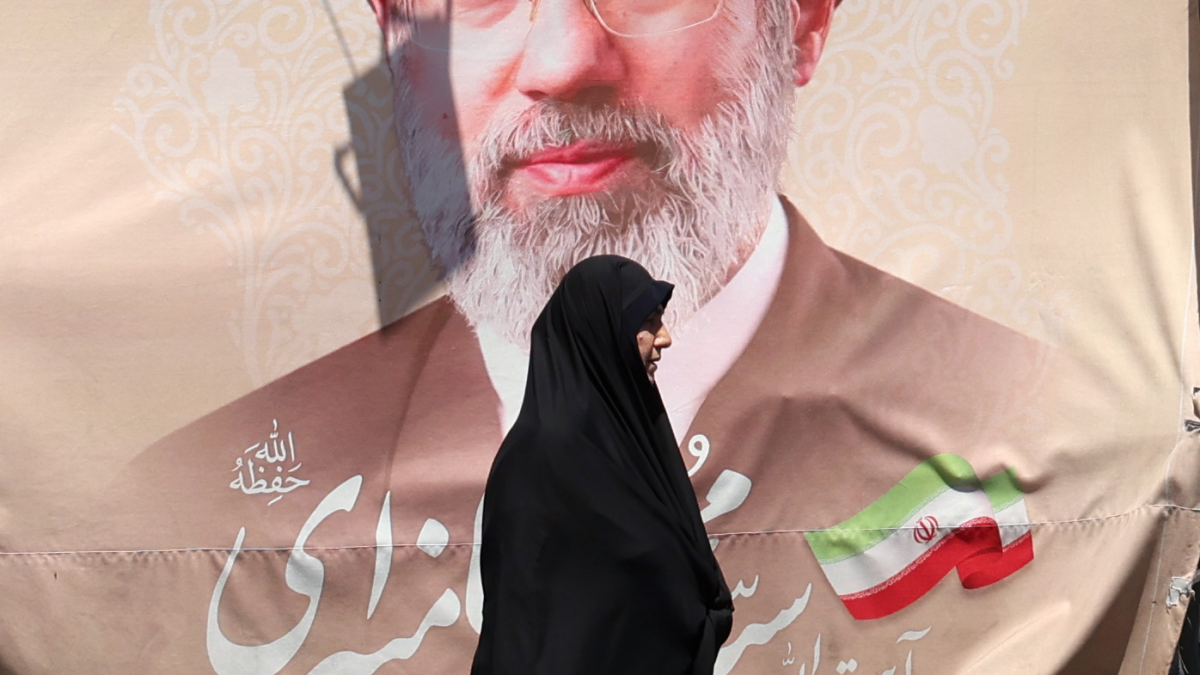
US and Iran Ink Interim Accord to De-escalate Regional Tensions Amidst Skepticism
 world
world
Escalation in Ukraine Conflict: Drone Strikes on Moscow Refinery Amid Diplomatic Efforts
 world
world