
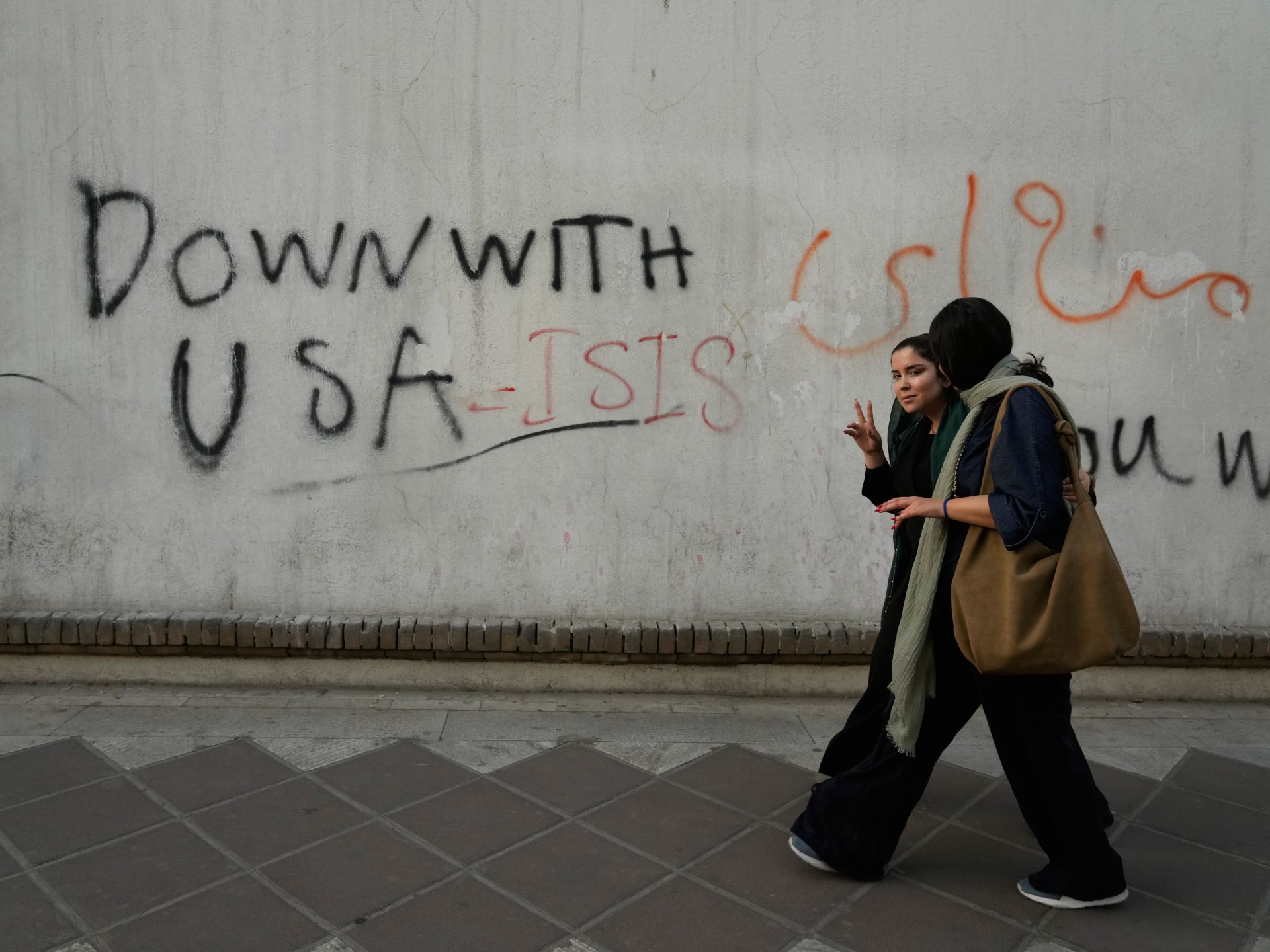
Renewed Hostilities Mark Centenary of US-Iran Conflict
The protracted conflict between the United States and Iran has reached its 100th day, characterized by a recent surge in direct confrontations. The United States Central Command (CENTCOM) reported intercepting two Iranian drones over the Strait of Hormuz, a critical international maritime route. This incident was swiftly followed by Iran launching missiles toward US allies Bahrain and Kuwait, prompting strong condemnation from the affected Gulf nations and casting a shadow over a fragile ceasefire agreement established in early April.
These exchanges underscore the persistent volatility in the region, where weeks of indirect discussions, punctuated by mutual threats and sporadic violence, have failed to yield a lasting resolution or ensure the unimpeded flow of oil and gas through the Strait of Hormuz.
Diplomatic Overtures Amidst Rising Tensions
Despite the escalation, diplomatic efforts are underway. Pakistan's Interior Minister, Mohsin Naqvi, arrived in Tehran for discussions with Iranian officials, including Foreign Minister Abbas Araghchi. Iranian state media indicated that Naqvi conveyed a significant message from Pakistan's military chief and prime minister to Iran's Supreme Leader, Khamenei, signaling a push for de-escalation.
In a related development concerning US-Iran relations, the US government is reportedly exploring options to reallocate frozen Iranian assets to Gulf states to fund reconstruction and repair efforts following damage attributed to Iran. This comes after an adviser to Iran's supreme leader, Mohsen Rezaei, suggested that a peace agreement could hinge on the release of $24 billion in Iranian assets currently frozen by the US.
Separately, while Iranian football players and technical staff received US visas for an upcoming World Cup, 15 administrative and managerial members of the delegation were denied entry. An unnamed US administration official cited concerns about potential abuse of the visa system.
Escalation in Lebanon and International Reactions
Parallel to the US-Iran tensions, the conflict in Lebanon has seen a significant escalation. The Lebanese army reported that two officers and a soldier were killed in an Israeli strike on a military vehicle in southern Lebanon. This incident prompted immediate condemnation from the Jordanian Ministry of Foreign and Expatriate Affairs, which called for an immediate cessation of Israeli attacks and described the assault as a "blatant violation of the sovereignty, security, and stability" of Lebanon.
The Israeli military acknowledged that four of its reserve soldiers sustained moderate injuries in a drone attack in southern Lebanon. Hezbollah, a Lebanese armed group, claimed responsibility for attacking an Israeli military command headquarters in Naqoura with Ababil drones. Furthermore, an Israeli raid on Saksakiyeh reportedly resulted in at least two fatalities.
According to Nader Hashemi, an associate professor at Georgetown University, the term "ceasefire" appears to be interpreted differently by the parties involved. He suggested that for Israel, a ceasefire often implies that the opposing side ceases hostilities while Israel continues its operations.
Gaza Continues to Face Casualties
In Gaza, the humanitarian toll remains severe. Reports indicate that Israeli attacks on Saturday resulted in 10 fatalities, including a drone attack that killed a man and his son in Gaza City.
Source: Iran war day 100: US, Iran trade attacks again, raising tensions
Related Articles
 world
world
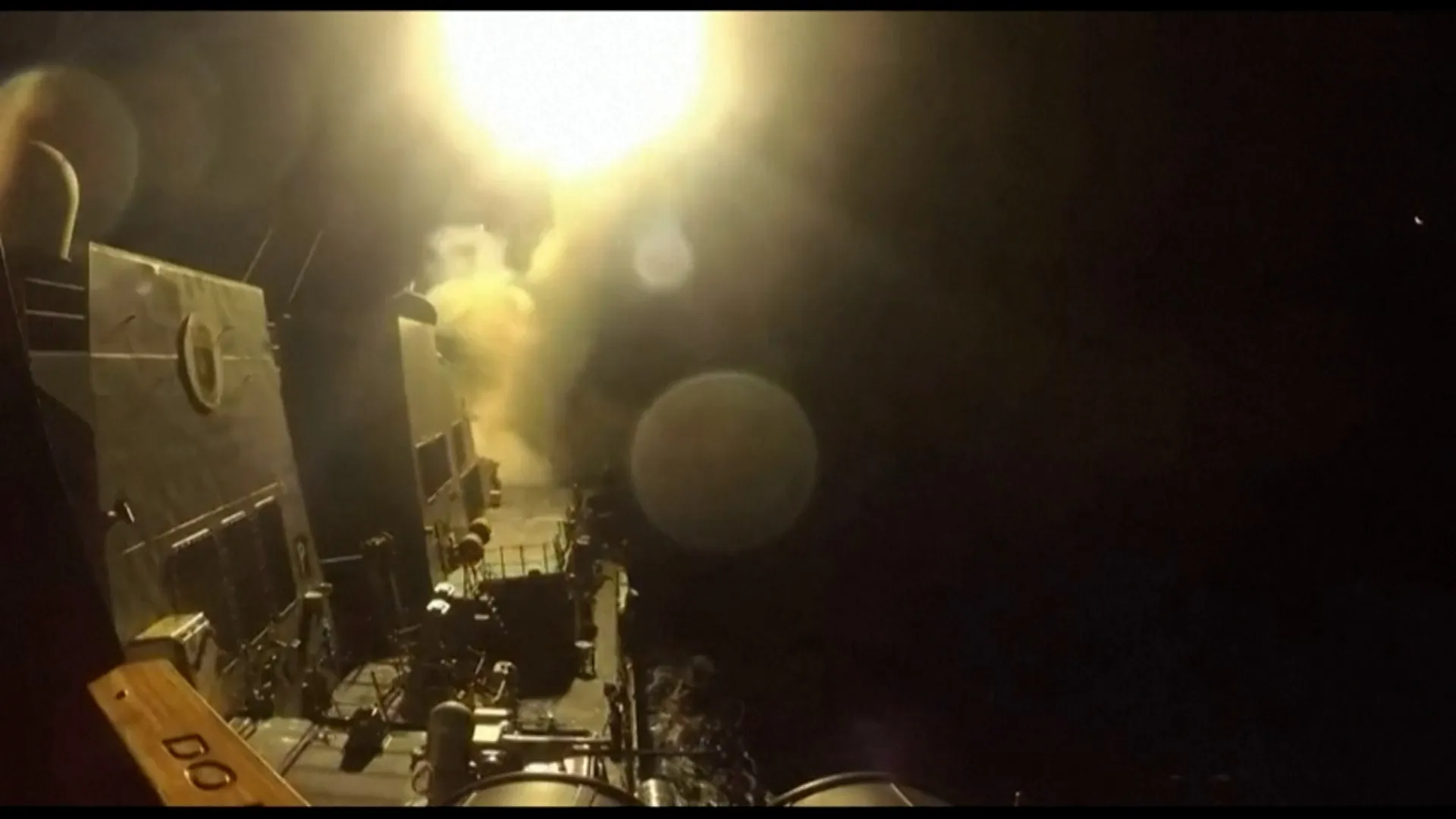
US Central Command Publishes Footage of Strikes Against Iranian Targets
 world
world
Allegations of Sexual Violence Surface in Israeli Detention Facilities
 world
world
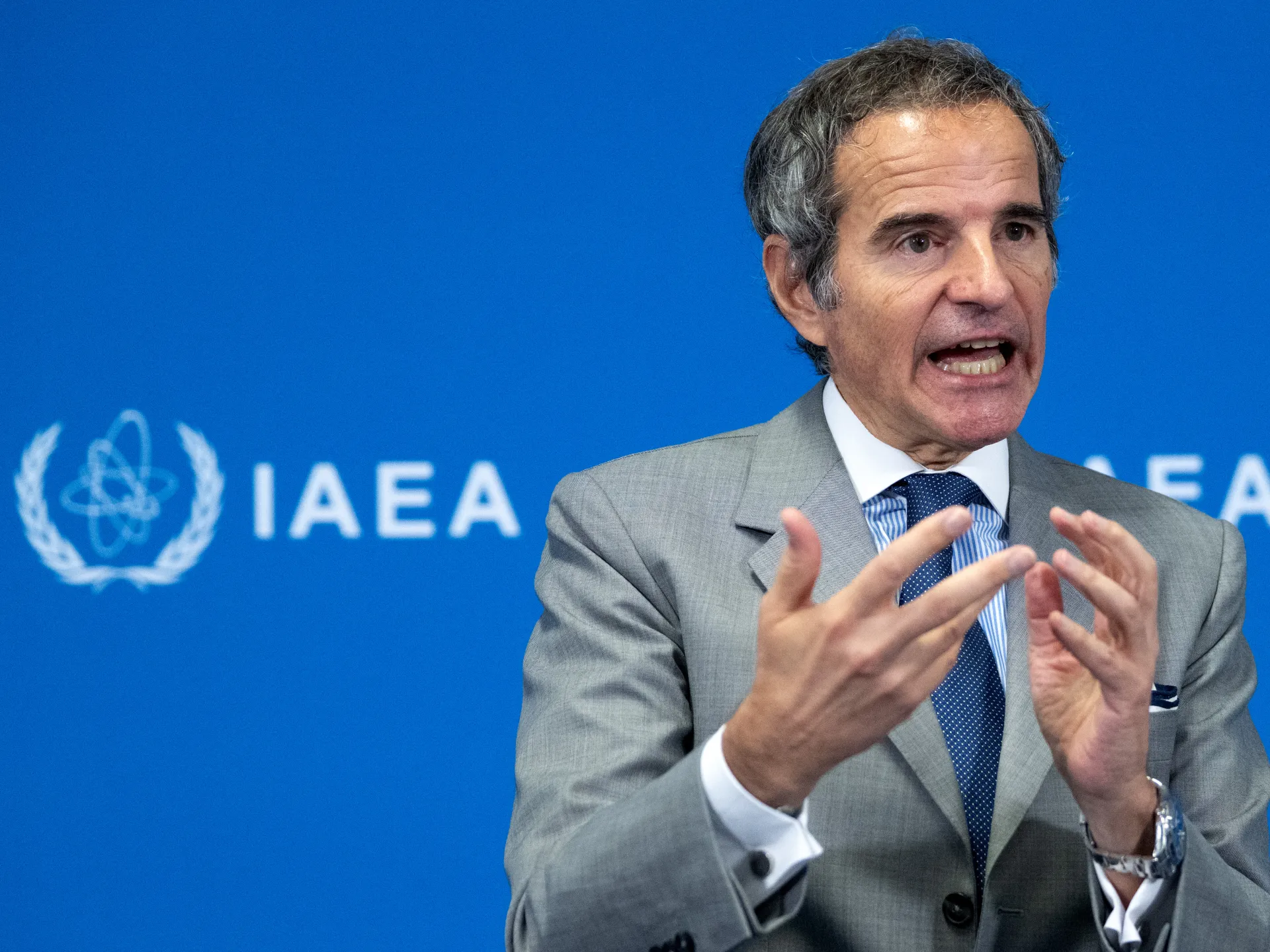
UN Watchdog Demands Iran Account for Enriched Uranium Stockpiles Amid Regional Tensions
 world
world