Escalating Tensions Between the US and Iran
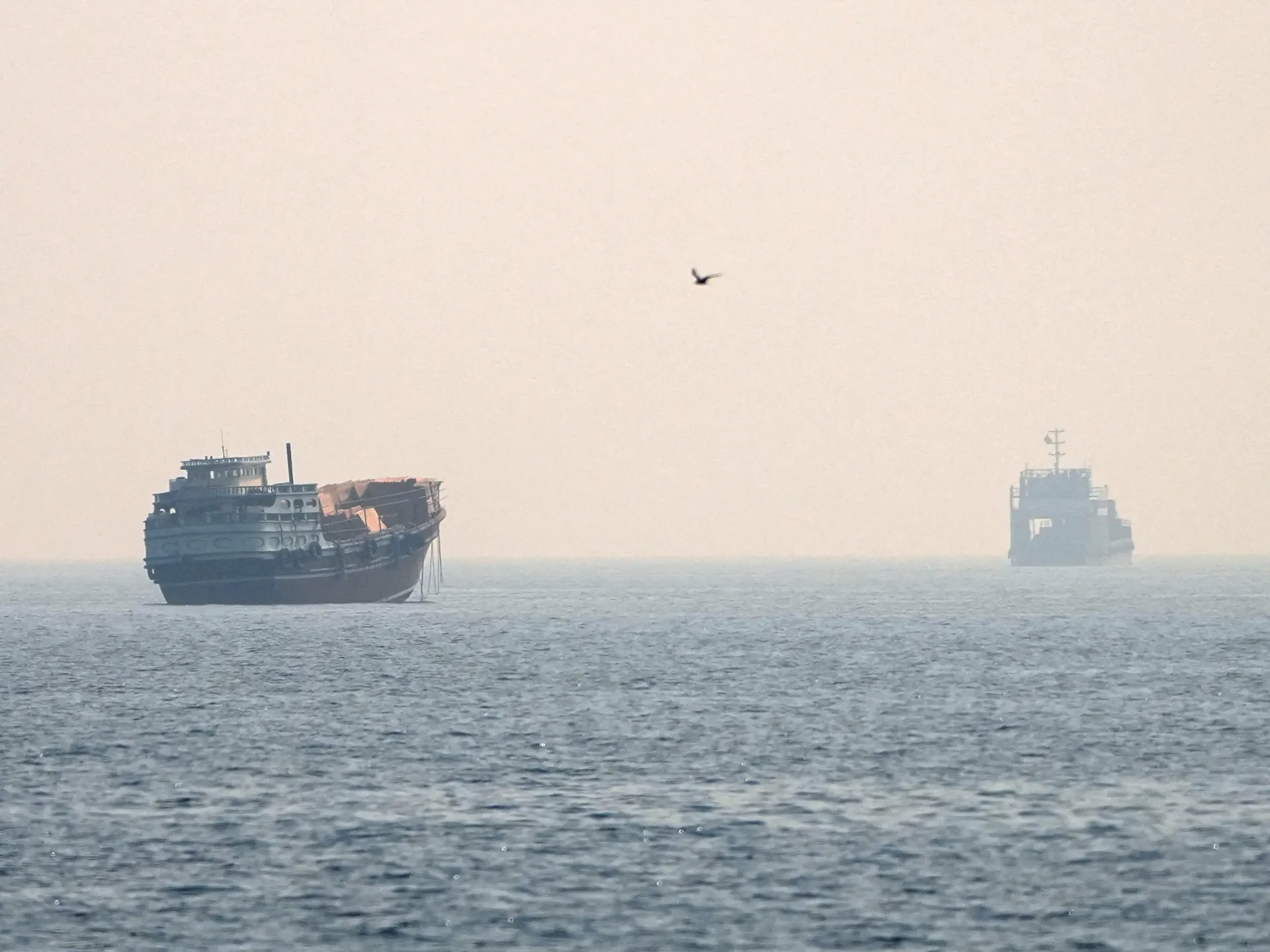
The United States and Iran have exchanged military strikes for the second consecutive day, intensifying tensions and jeopardizing a recently established ceasefire. This escalation follows US President Donald Trump's declaration that the truce had ended. The US military has stated that its actions are intended to counter Iran's potential threat to navigation in the strategic Strait of Hormuz.
US Military Operations
According to the US Central Command (CENTCOM), which manages military operations in the Middle East, approximately 90 Iranian military targets were hit. These included facilities related to missiles, drones, and logistics along Iran's coastline. President Trump described the US response as a retaliation for Iran's recent attacks on commercial vessels.
The US had previously carried out strikes on over 80 targets in Iran, citing Iranian actions in the Strait of Hormuz as the provocation. The Iranian Islamic Revolutionary Guard Corps (IRGC) responded by attacking US military bases in Kuwait, Bahrain, and Qatar, targeting key infrastructure and facilities.
Iran's Strategic Response
Iran has struck at several US military assets, including a Patriot missile system in Kuwait and fuel depots in Bahrain. Kuwait's Ministry of Defence reported intercepting missiles and drones, while Qatar heightened its security alert. Iran insists that the Strait of Hormuz will only reopen under its terms, emphasizing its defiance through statements from Iranian officials.
Impact on the MoU
The renewed hostilities threaten the memorandum of understanding (MoU) agreed upon last month, which aimed to extend a ceasefire from April and gradually reopen the Strait of Hormuz. President Trump, while critical of Iran's leadership, hinted at the possibility of further negotiations. He mentioned that Iranian representatives had expressed a strong desire to negotiate a new agreement.
Consequences of the Conflict
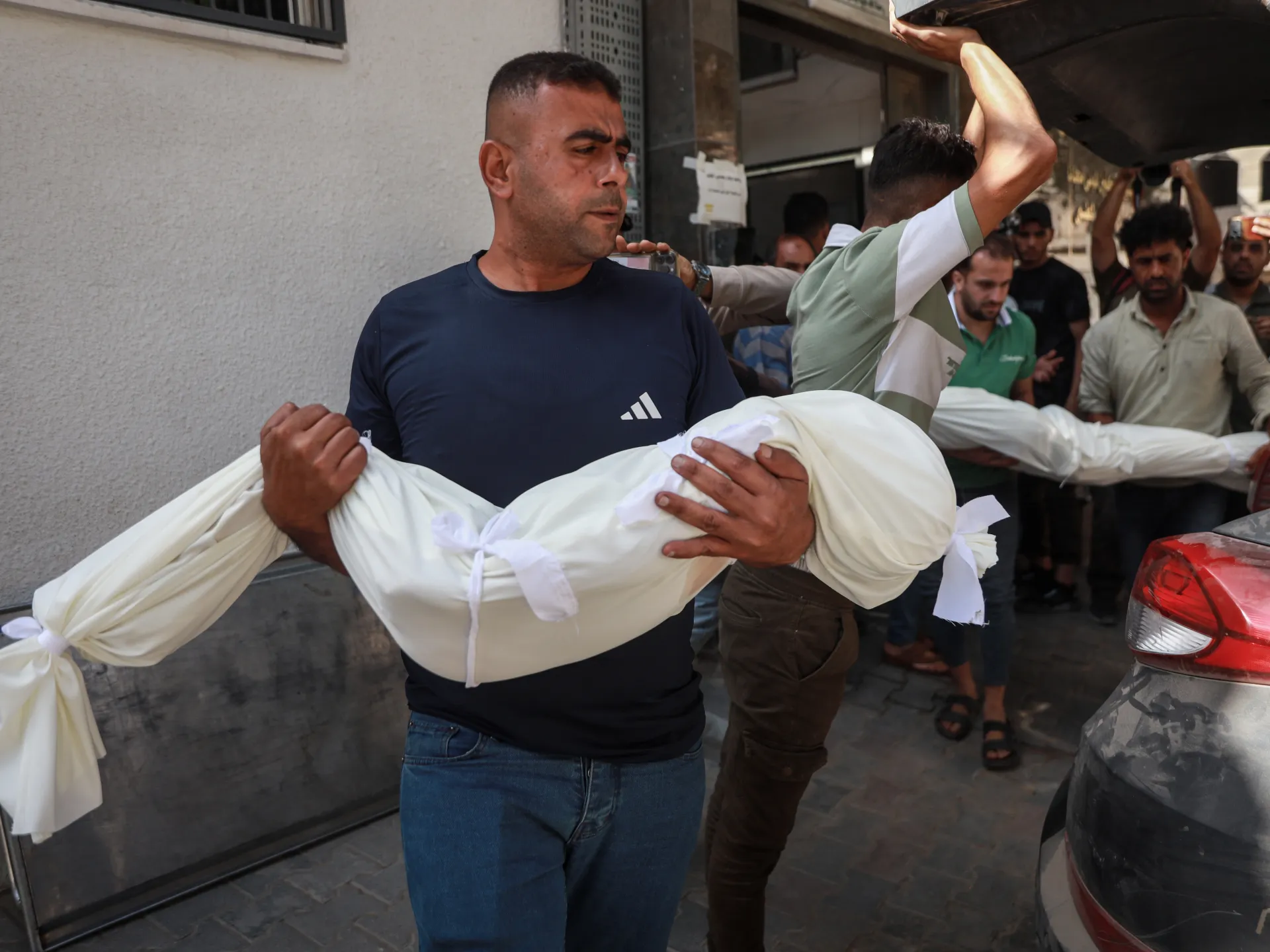
US airstrikes have reportedly targeted a railway bridge in northeastern Iran, leading to the temporary suspension of the Tehran-Mashhad train service. The Iranian news agency IRNA also reported strikes on military bases in Bushehr and attacks on Kish Island, as well as explosions in Bandar Abbas, Konarak, and Chabahar. Casualties have been reported, including civilian deaths and injuries.
Calls for Diplomatic Solutions
The original MoU, signed in mid-June, was facilitated by mediators from Pakistan and Qatar. It included provisions to lift a US naval blockade and reopen the Strait of Hormuz. This agreement was seen as a step towards addressing broader issues, such as Iran's nuclear program and access to frozen funds.
UN Secretary-General Antonio Guterres and other international figures have urged both the US and Iran to exercise restraint. Qatar's Prime Minister, also serving as the Foreign Minister, emphasized the importance of diplomatic engagement in conversations with Iranian officials.
Despite the current impasse, there are efforts to revive dialogue and encourage adherence to the MoU. Both nations are being called upon to prioritize diplomatic channels to prevent further escalation and stabilize the region.
Source: Original Article