
Escalation of Tensions Between US and Iran
The United States Central Command (CENTCOM) has reported the interception of several Iranian ballistic missiles and unmanned aerial vehicles (UAVs) in the Gulf region. This development unfolds as diplomatic efforts to de-escalate tensions between the two nations appear to be at a standstill.
According to CENTCOM, seven ballistic missiles were launched towards Kuwait and Bahrain on Friday night. This incident occurred hours after US forces successfully downed four Iranian attack drones that were reportedly headed for the Strait of Hormuz. Six of the incoming missiles were intercepted, with the seventh failing to reach its intended target. In response, US forces subsequently targeted Iranian coastal surveillance radar installations situated in Goruk and on Qeshm Island.
Iran's Islamic Revolutionary Guard Corps (IRGC) acknowledged its attacks, stating they were aimed at US bases in the region. The IRGC characterized these actions as a direct retaliation for previous US strikes. Additionally, the IRGC claimed to have fired upon four oil tankers attempting to navigate the Strait of Hormuz, a critical maritime chokepoint that Tehran has largely restricted.
Stalled Negotiations and Demands
The US and Iran have been engaged in indirect discussions aimed at securing an interim agreement to resolve their ongoing conflict. However, significant disagreements persist between the two sides. Iran's demands include the lifting of US sanctions, access to its frozen assets, and the cessation of a US blockade on its ports. Conversely, the United States has emphasized the need for the Strait of Hormuz to be reopened for international shipping and has called for concessions from Tehran regarding its nuclear program.
Al Jazeera's reporting from Tehran indicated that the recent IRGC actions served as a "warning" to the United States. It was explained that the latest confrontation began when several oil tankers, allegedly backed by the US, attempted to traverse the Strait of Hormuz without coordinating with the IRGC. This incident reportedly triggered a series of retaliatory exchanges. The IRGC's message was clear: any perceived aggression from the United States in the region would be met with immediate and forceful retaliation.
Israel's Continued Military Operations in Southern Lebanon
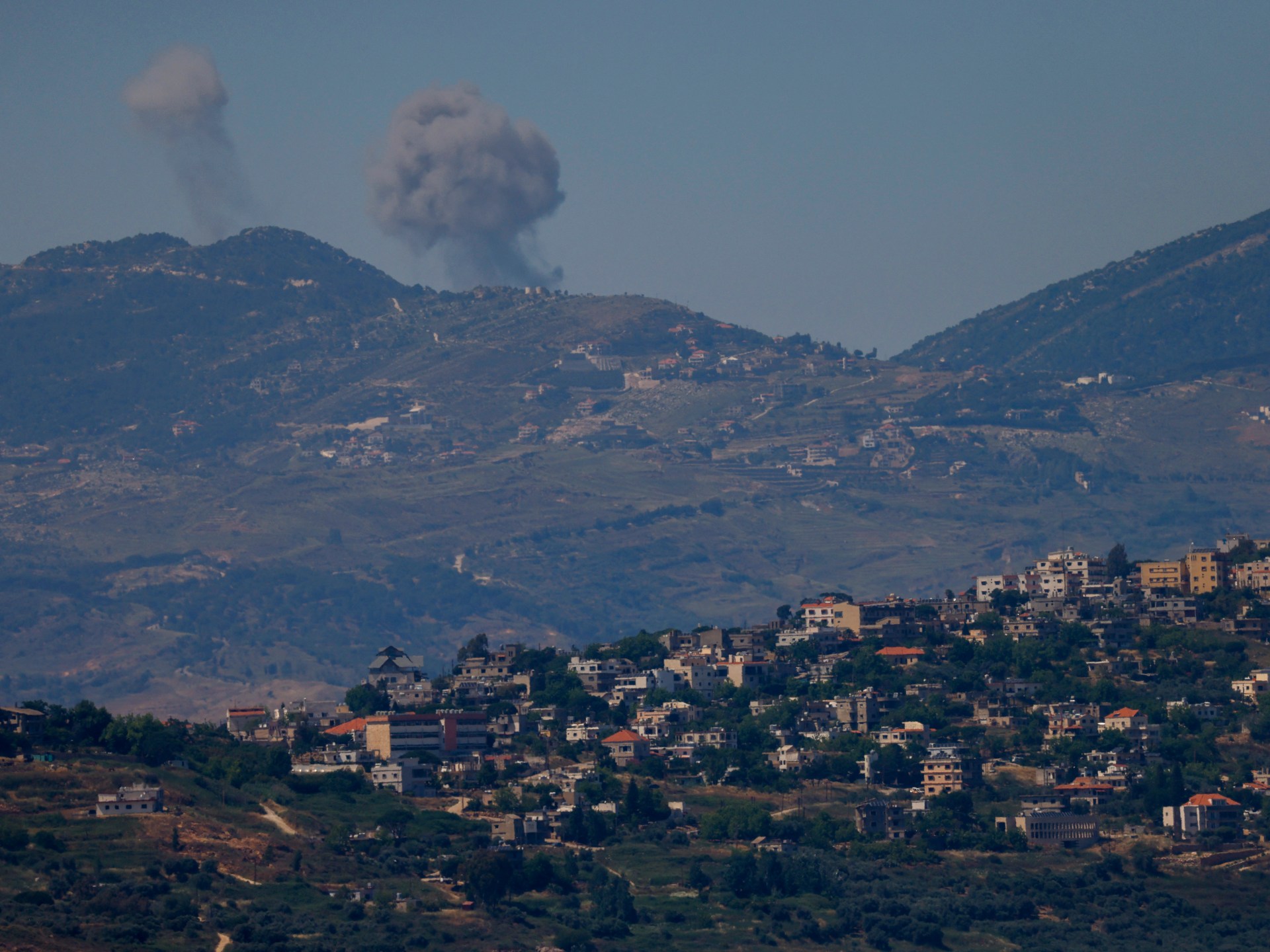
While the US and Iran navigate their escalating exchanges, Israel has maintained its military campaign in southern Lebanon. On Saturday morning, the Lebanese army confirmed that an Israeli strike had hit a military vehicle on the Khardali-Nabatieh road, resulting in the deaths of several soldiers, including an officer.
Historically, the Lebanese army has largely avoided direct engagement in the conflict between Israel and Hezbollah, typically maintaining a neutral stance. The current wave of hostilities between Hezbollah and Israel commenced in early March, with Hezbollah asserting its actions were in support of Tehran.
Lebanon's Role in Regional Dynamics
On Saturday morning, Iranian Foreign Minister Abbas Araghchi publicly refuted claims made by Lebanese President Joseph Aoun, who suggested that Beirut was being used as a bargaining chip by Tehran in its negotiations with the US. Araghchi stated via social media, "Had Lebanon been bargaining chip for Iran, we’d have a deal long ago." He further urged the Lebanese President to address what he termed Lebanon's "real foe."
Earlier in the week, Hezbollah leader Naim Qassem rejected a US-brokered ceasefire proposal between the Lebanese government and Israel. Qassem's rejection was based on the grounds that the agreement did not include Hezbollah and failed to stipulate Israel's withdrawal from southern Lebanon.
Source: Original Article
Related Articles
 world
world
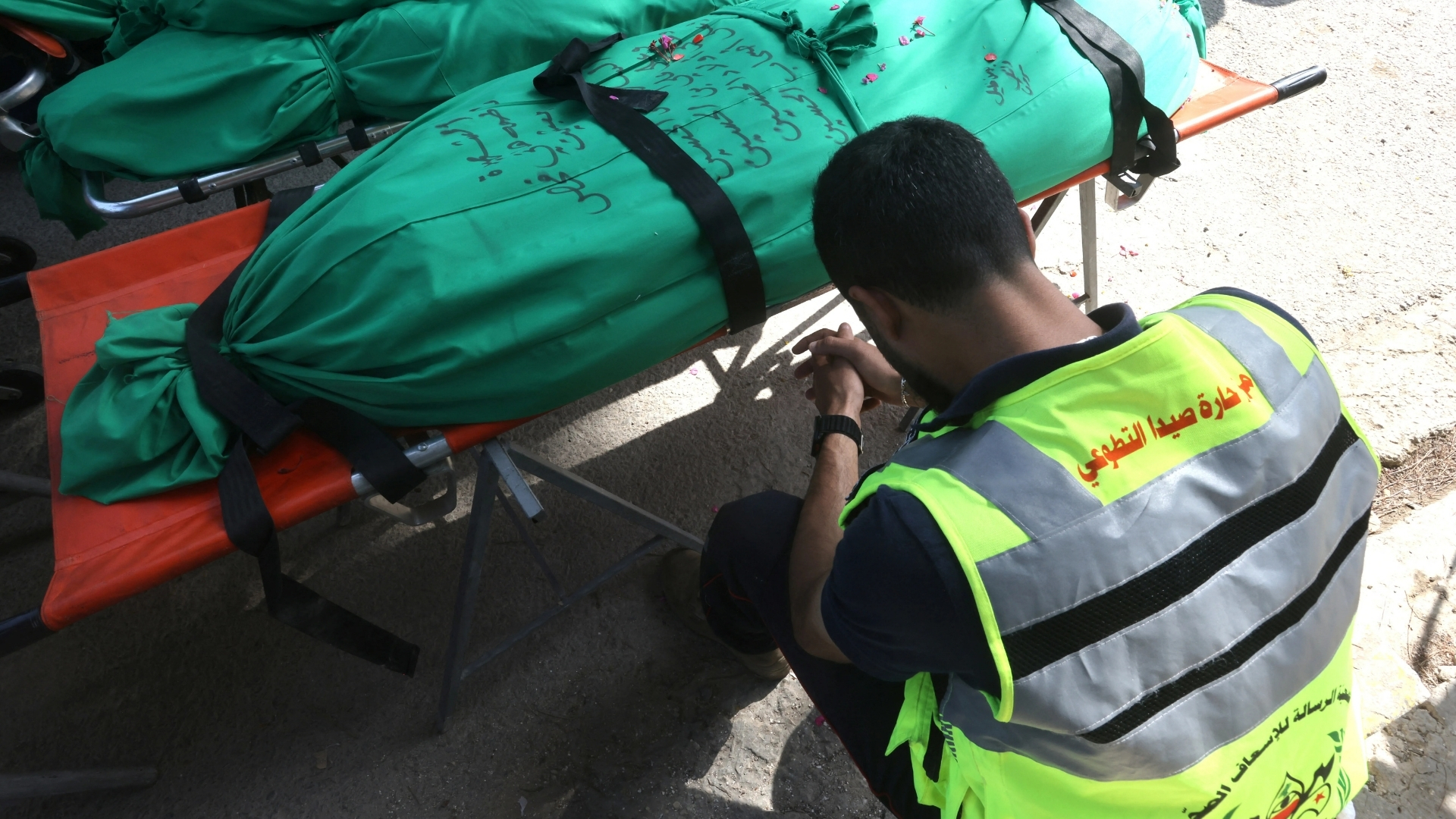
Escalating Tensions: Assessing the Impact of Recent Ceasefire Efforts in Lebanon
 world
world
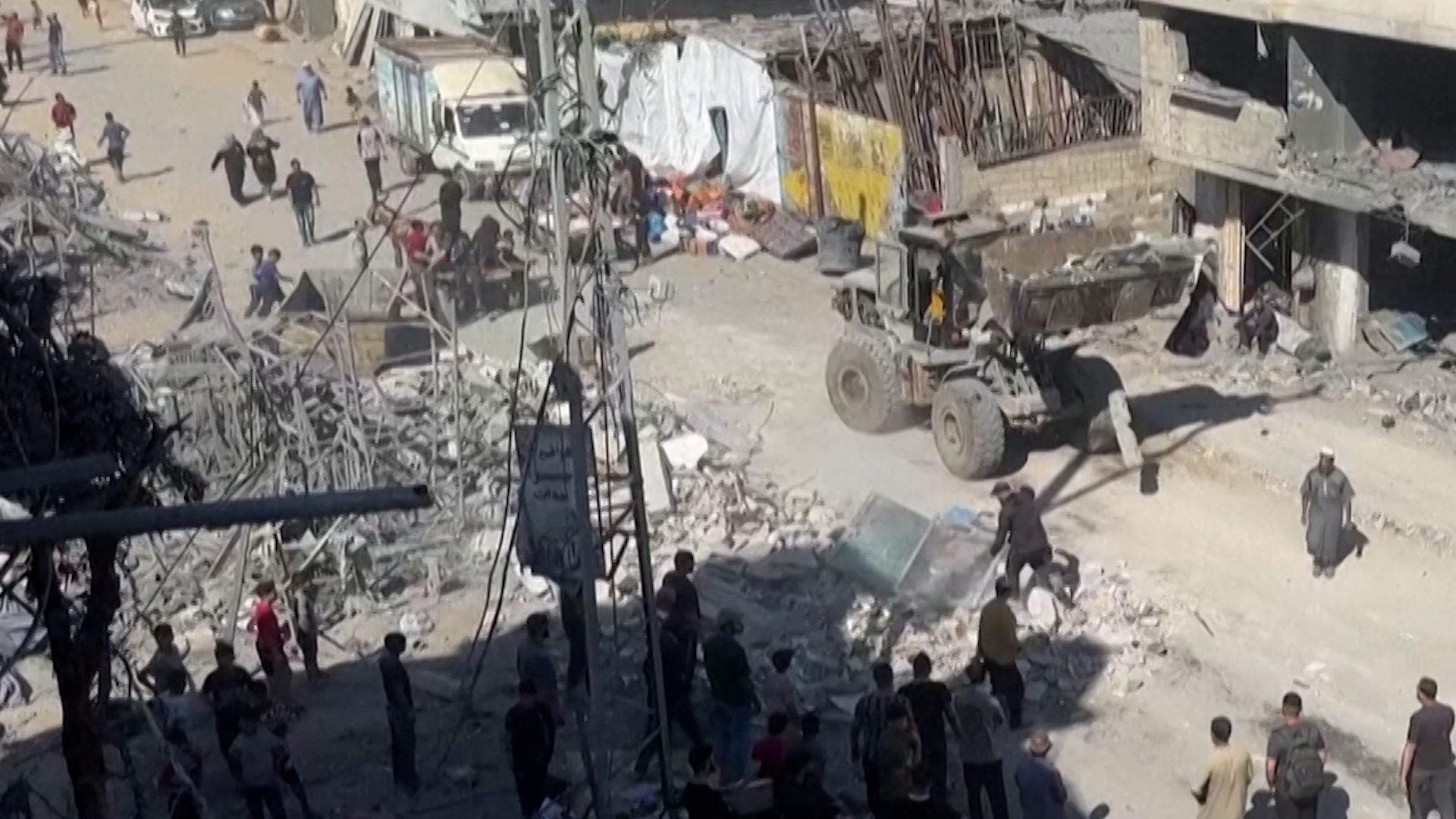
Gaza Residents Begin Cleanup Following Overnight Israeli Strikes
 world
world
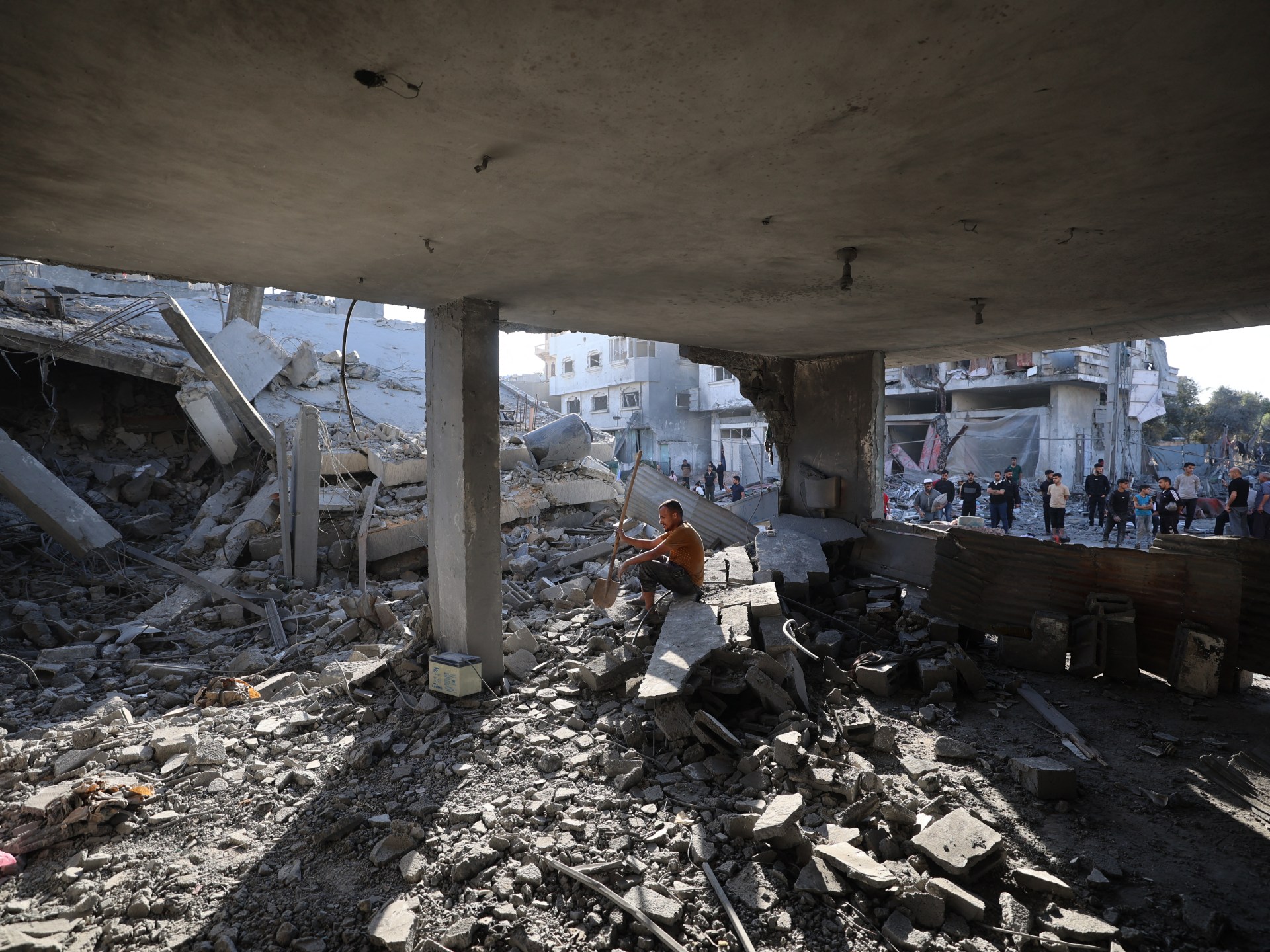
France Initiates Investigation into Allegations of Mistreatment of Gaza Aid Flotilla Activists
 world
world