
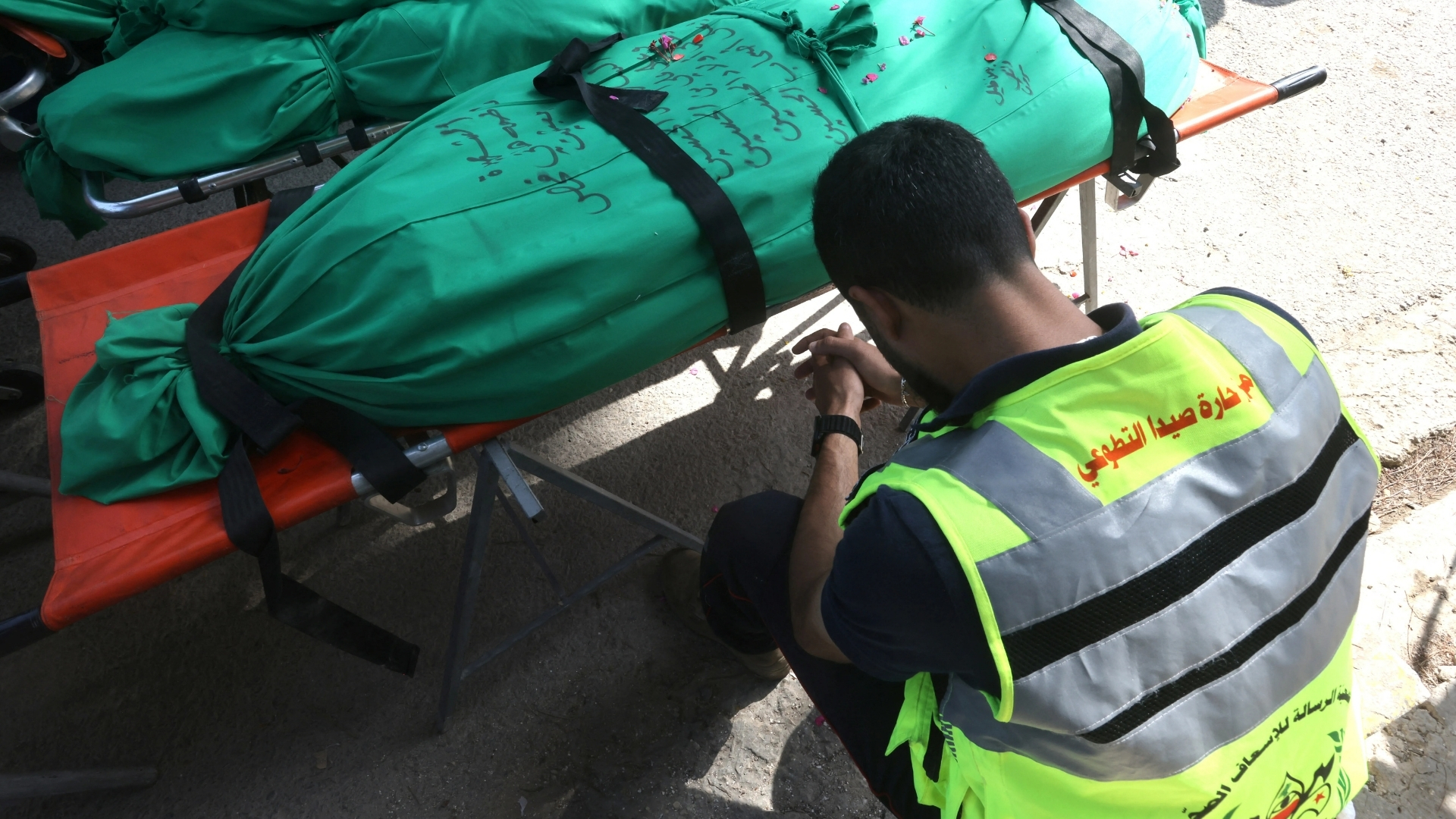
Continued Conflict Despite Truce Announcements
Recent diplomatic efforts aimed at de-escalating the conflict along the Israel-Lebanon border appear to have yielded limited immediate results. Despite an announcement by the United States regarding a new ceasefire, both Israeli forces and Hezbollah have reportedly continued military operations. This ongoing exchange of fire casts a shadow over the effectiveness of the proposed truce and raises significant concerns for the stability of the region and the well-being of the Lebanese populace.
The Persistent Cycle of Hostilities
Reports indicate that Israel has maintained its attacks on Lebanese territory following the ceasefire declaration. Concurrently, Hezbollah, a key non-state actor in the conflict, has also continued its engagements. It is noteworthy that Hezbollah was not directly involved in the discussions held in Washington between representatives of the Israeli and Lebanese governments, which led to the ceasefire announcement. This exclusion may be a contributing factor to the challenges in implementing a comprehensive cessation of hostilities.
Challenges to De-escalation
The situation highlights the complex dynamics at play. Diplomatic initiatives often face hurdles when key belligerents are not fully integrated into the negotiation process. The continued fighting underscores the deep-seated tensions and the intricate web of actors involved, each with their own objectives and operational autonomy. The absence of a direct commitment from all parties on the ground can undermine even well-intentioned peace efforts.
Impact on the Lebanese Population
For the people of Lebanon, the ongoing conflict translates into persistent instability and humanitarian concerns. Border communities have borne the brunt of the violence, experiencing displacement, damage to infrastructure, and a constant threat to life and livelihood. The failure of ceasefire attempts to hold firm exacerbates an already challenging socio-economic situation in the country, further straining resources and hindering recovery efforts.
Expert Perspectives on the Future
Analysts and regional experts have weighed in on the implications of the current situation. Heiko Wimmen, Project Director for Iraq, Syria, and Lebanon at the International Crisis Group, often emphasizes the multifaceted nature of these conflicts, involving both state and non-state actors. Nimrod Novik, a former Special Envoy and Senior Adviser to former Israeli Prime Minister Shimon Peres, brings an Israeli perspective, highlighting security concerns and strategic considerations. Rami Khouri, a Distinguished Fellow at the American University of Beirut, frequently provides insights into the broader regional context and the impact on Arab societies.
These diverse viewpoints collectively underscore the difficulty in achieving a lasting peace without addressing the underlying grievances and security dilemmas of all parties involved. The path forward for Lebanon remains uncertain, contingent on the ability of international mediators to secure genuine commitments from all combatants and to address the root causes of the prolonged conflict.
Source: Al Jazeera
Related Articles
 world
world
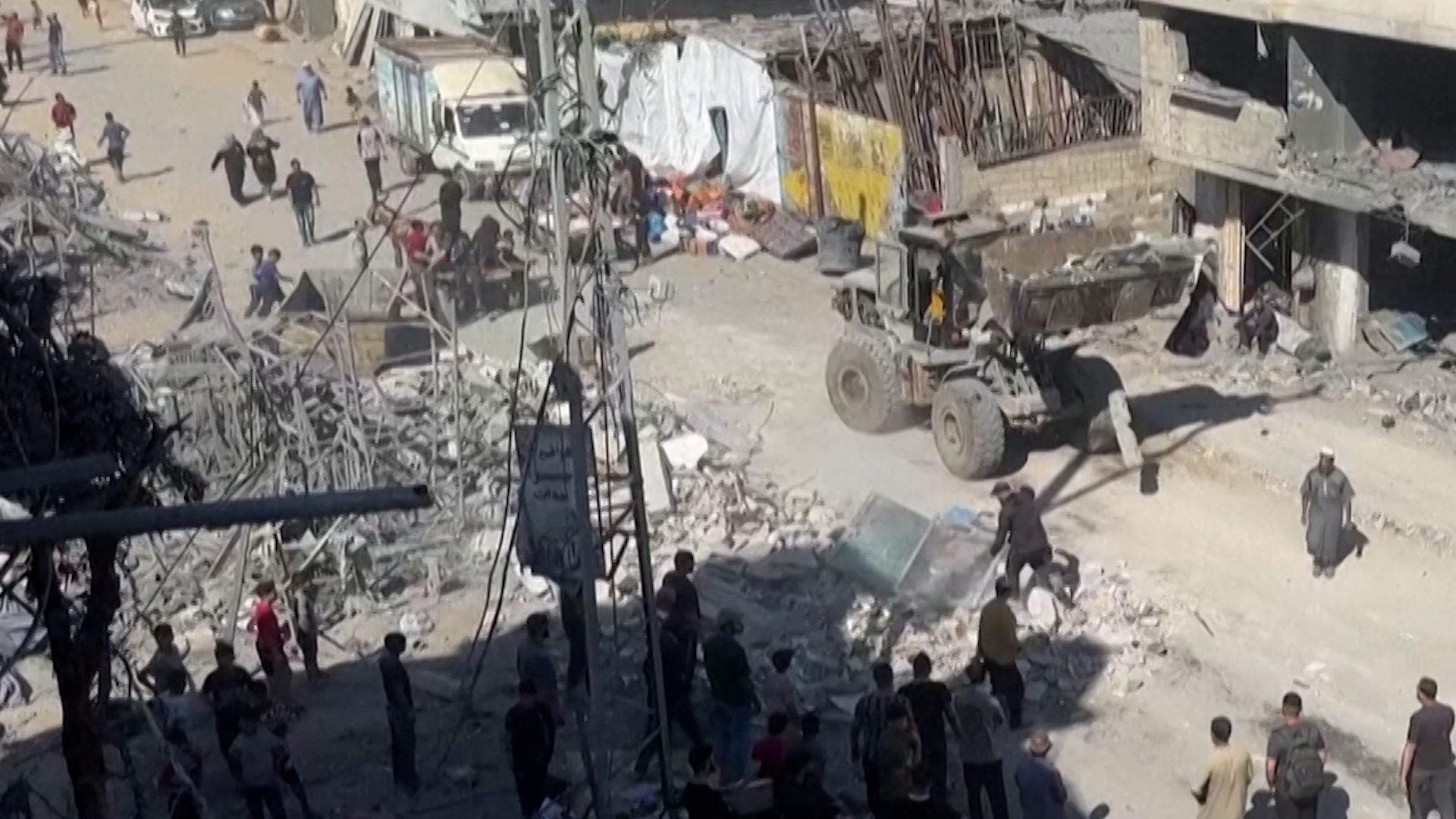
Gaza Residents Begin Cleanup Following Overnight Israeli Strikes
 world
world
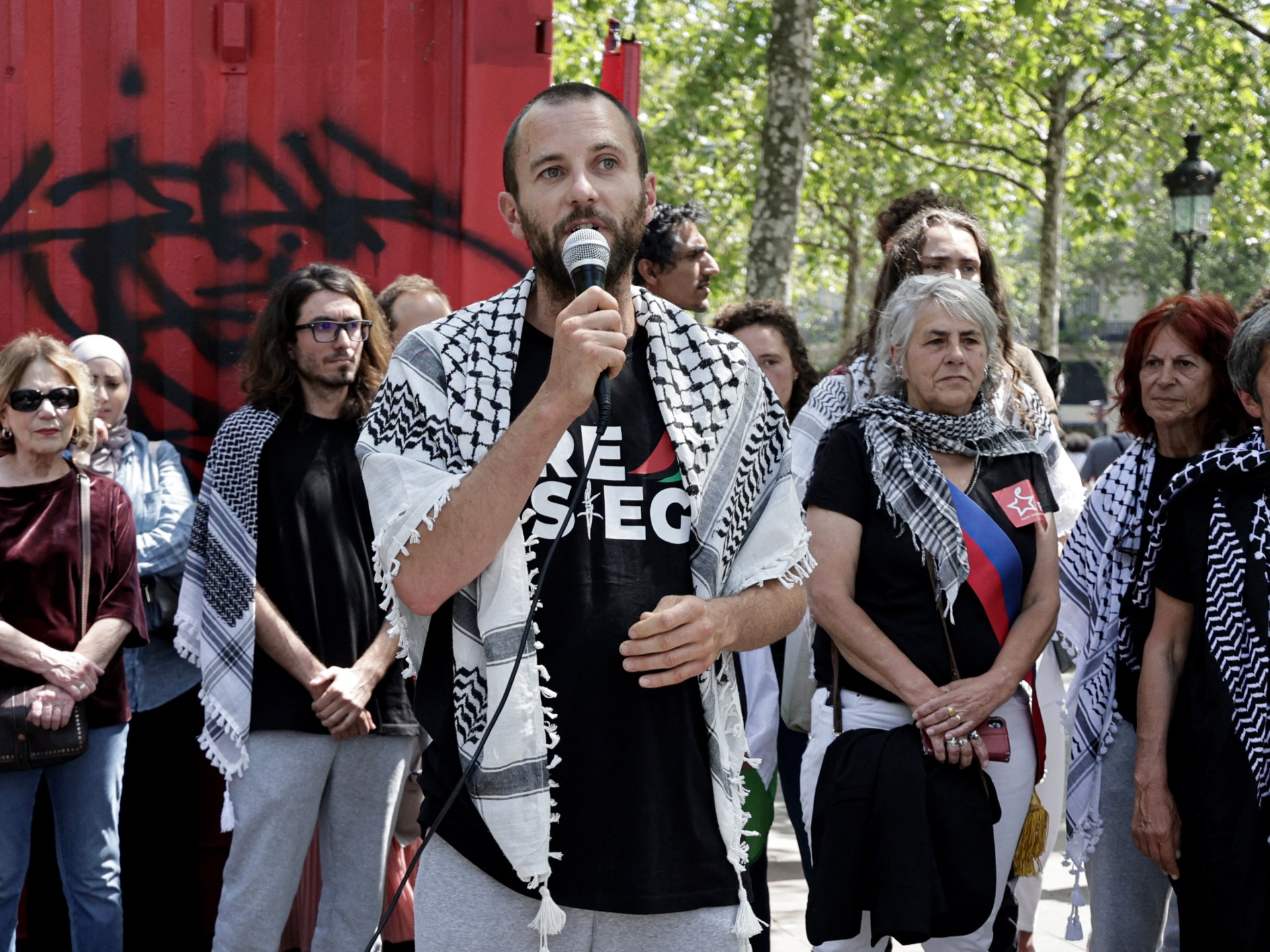
France Initiates Investigation into Allegations of Mistreatment of Gaza Aid Flotilla Activists
 world
world
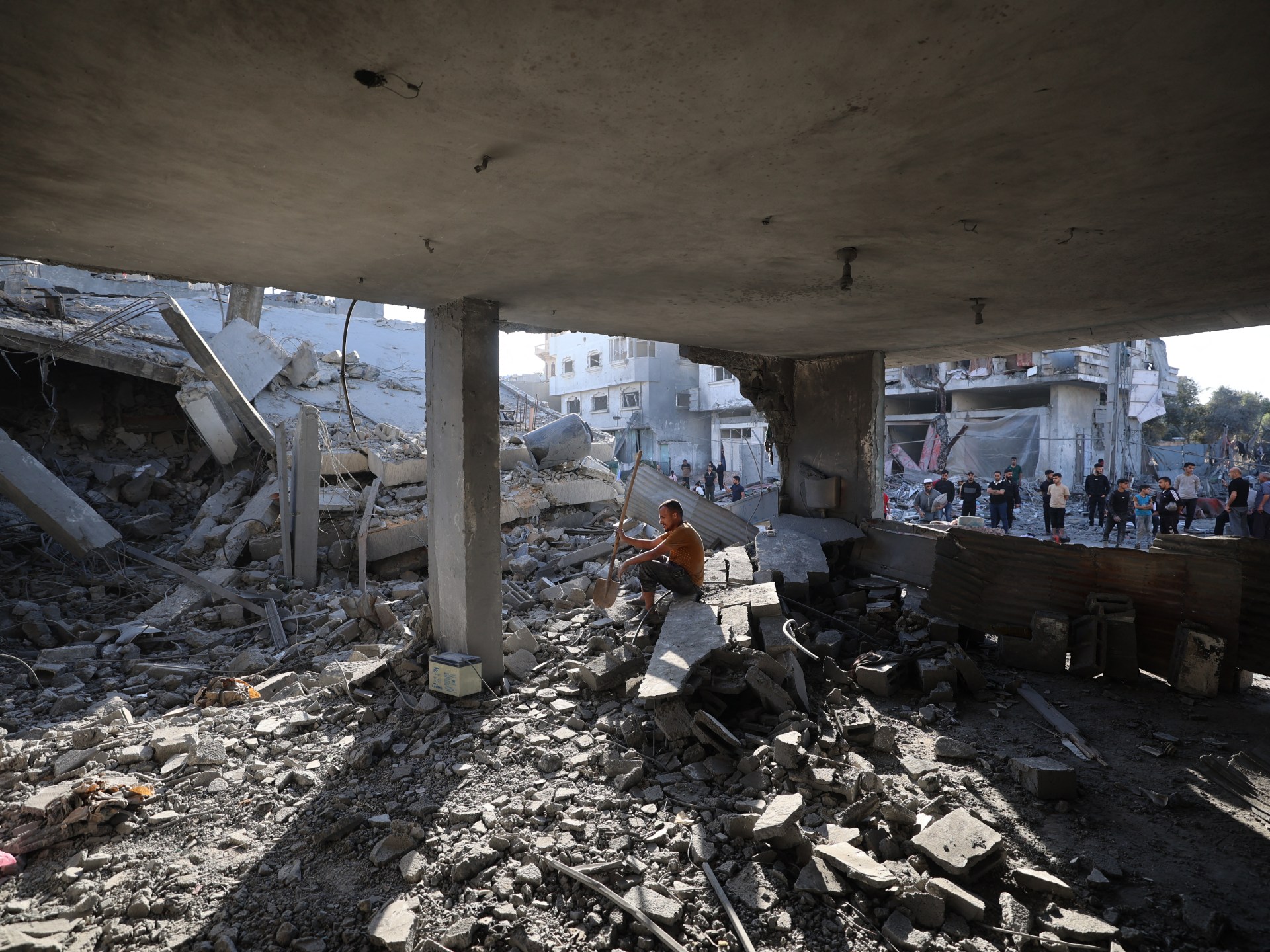
Persistent Israeli Strikes Fuel Apprehension in Gaza Amidst Stalled Ceasefire
 world
world