
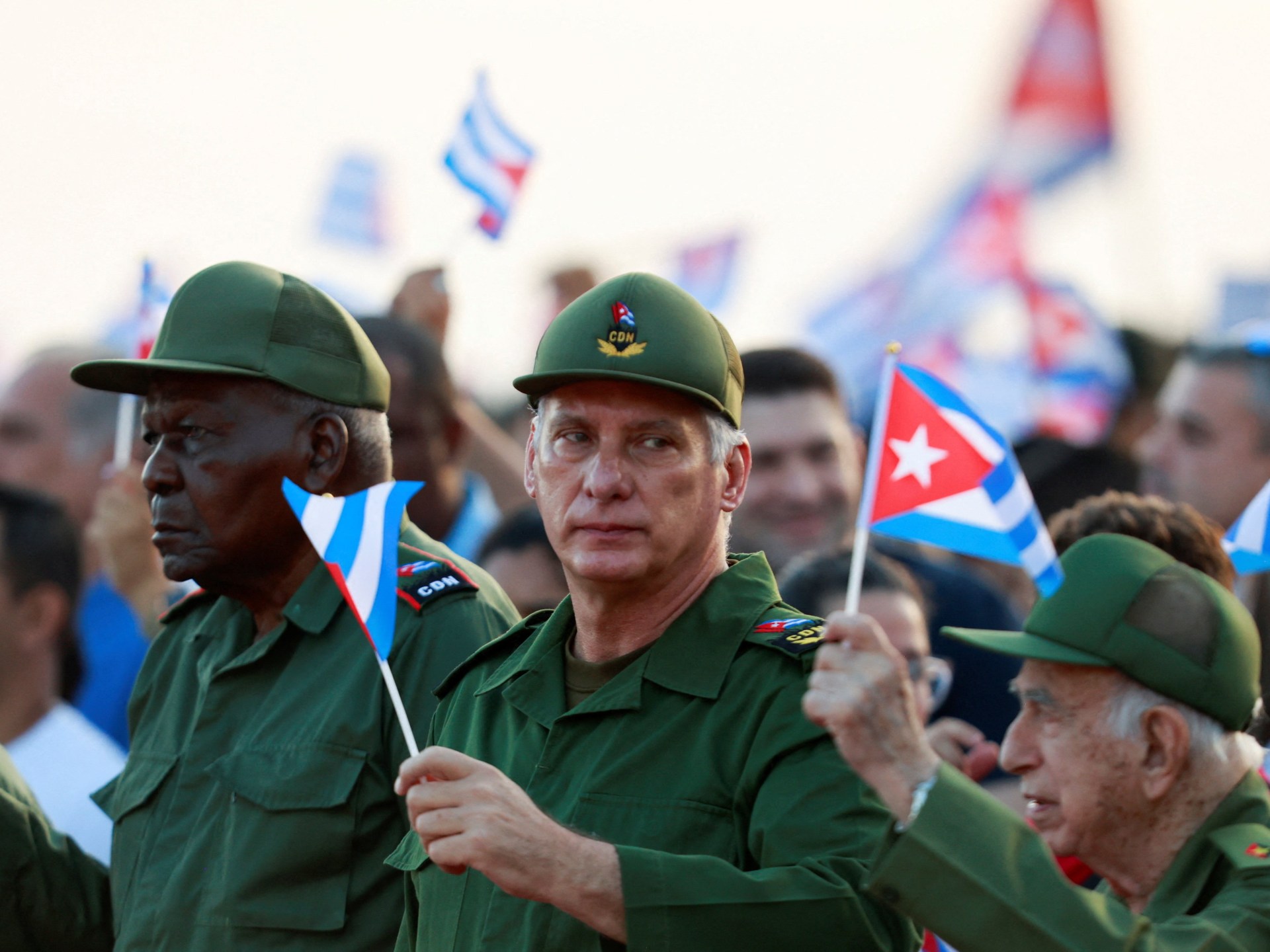
US Actions Target Cuban Leadership
In a significant move to intensify its policy towards Cuba, the United States government has announced sanctions specifically targeting Cuban President Miguel Díaz-Canel. This action represents an escalation of existing American restrictions against the Havana government, signaling a renewed focus on the island's political leadership.
The decision to sanction President Díaz-Canel comes at a time when Cuba is grappling with severe internal difficulties. Reports from the island consistently highlight widespread food shortages, impacting daily life for many citizens. Concurrently, the nation has been experiencing frequent and prolonged electricity blackouts, further disrupting essential services and contributing to public discontent.
Background to US-Cuba Relations
Relations between the United States and Cuba have historically been complex and often strained. Following the Cuban Revolution in 1959, the US imposed a comprehensive economic embargo, which has remained largely in place for decades. While there was a brief period of rapprochement during the Obama administration, which saw the restoration of diplomatic ties and some easing of restrictions, the subsequent US administration reversed many of these policy changes, reinstating a more hardline approach.
The current US administration has largely maintained a firm stance, citing concerns over human rights, democratic freedoms, and Cuba's support for certain regional governments. Sanctioning the head of state is often viewed as a strong diplomatic signal, indicating a desire to exert maximum pressure on the targeted government to alter its policies or internal conduct.
Impact of Sanctions on Cuba
Economic sanctions typically aim to limit a country's access to international financial systems and markets, thereby impeding its ability to conduct trade and secure foreign investment. While the existing US embargo already significantly restricts Cuba's economy, direct sanctions on President Díaz-Canel could further complicate international dealings involving the Cuban government and its officials. Such measures often target assets and financial transactions, making it difficult for sanctioned individuals to engage in international commerce.
For Cuba, a nation already facing considerable economic hurdles, the added pressure from US sanctions could exacerbate existing problems. The country's economy relies heavily on tourism, remittances, and limited foreign trade, all of which can be affected by international perceptions and financial restrictions. The ongoing food shortages are a critical concern, with many Cubans struggling to access basic necessities. Similarly, the frequent power outages reflect deeper issues within the country's infrastructure and energy sector, which have been strained by economic difficulties and a lack of investment.
International Reactions and Future Outlook
International reactions to US sanctions on Cuba are often divided. While some nations and human rights organizations may support measures aimed at promoting democracy and human rights, others often criticize unilateral sanctions as counterproductive, arguing that they can disproportionately harm ordinary citizens and hinder diplomatic solutions. The effectiveness of such sanctions in achieving policy change is also a subject of ongoing debate among international relations experts.
The immediate impact of these new sanctions on Cuba's internal situation remains to be seen. However, they underscore the continuing tension in US-Cuba relations and highlight the significant challenges facing the Cuban government as it navigates both domestic crises and external pressures. The future trajectory of relations between the two countries will likely depend on evolving political dynamics in both Havana and Washington, as well as the broader geopolitical landscape.
Source: Al Jazeera
Related Articles
 world
world
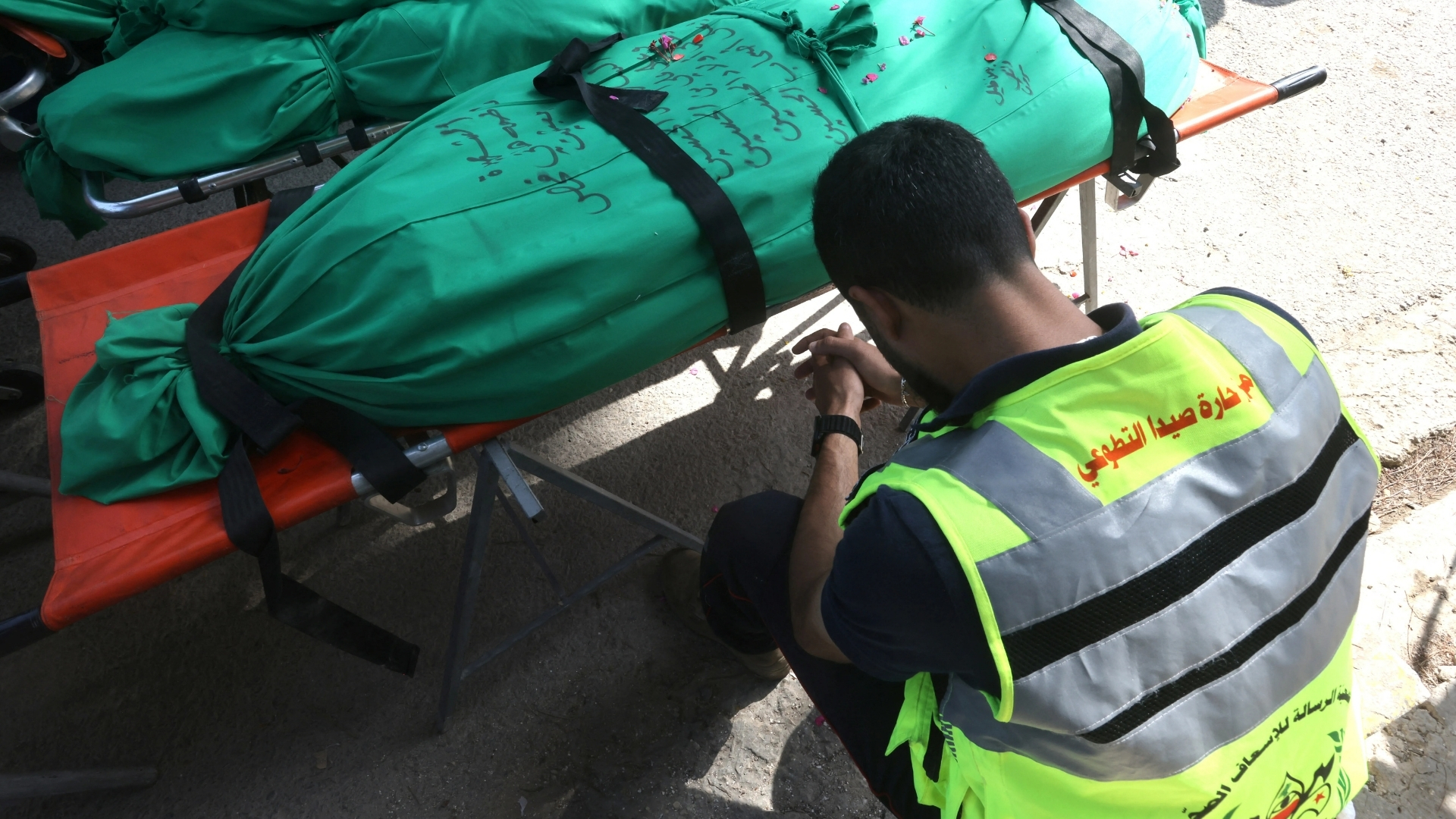
Escalating Tensions: Assessing the Impact of Recent Ceasefire Efforts in Lebanon
 world
world
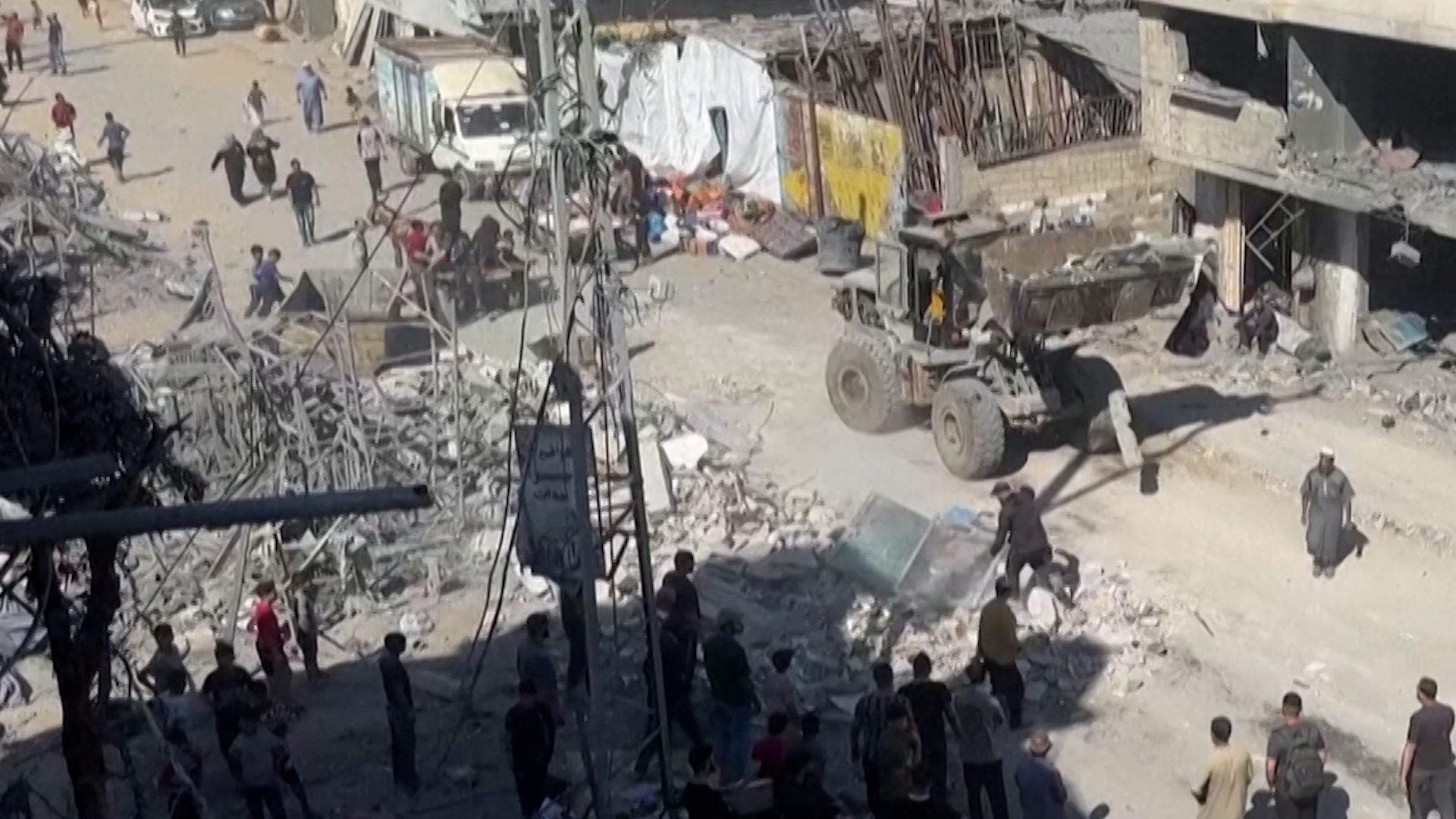
Gaza Residents Begin Cleanup Following Overnight Israeli Strikes
 world
world
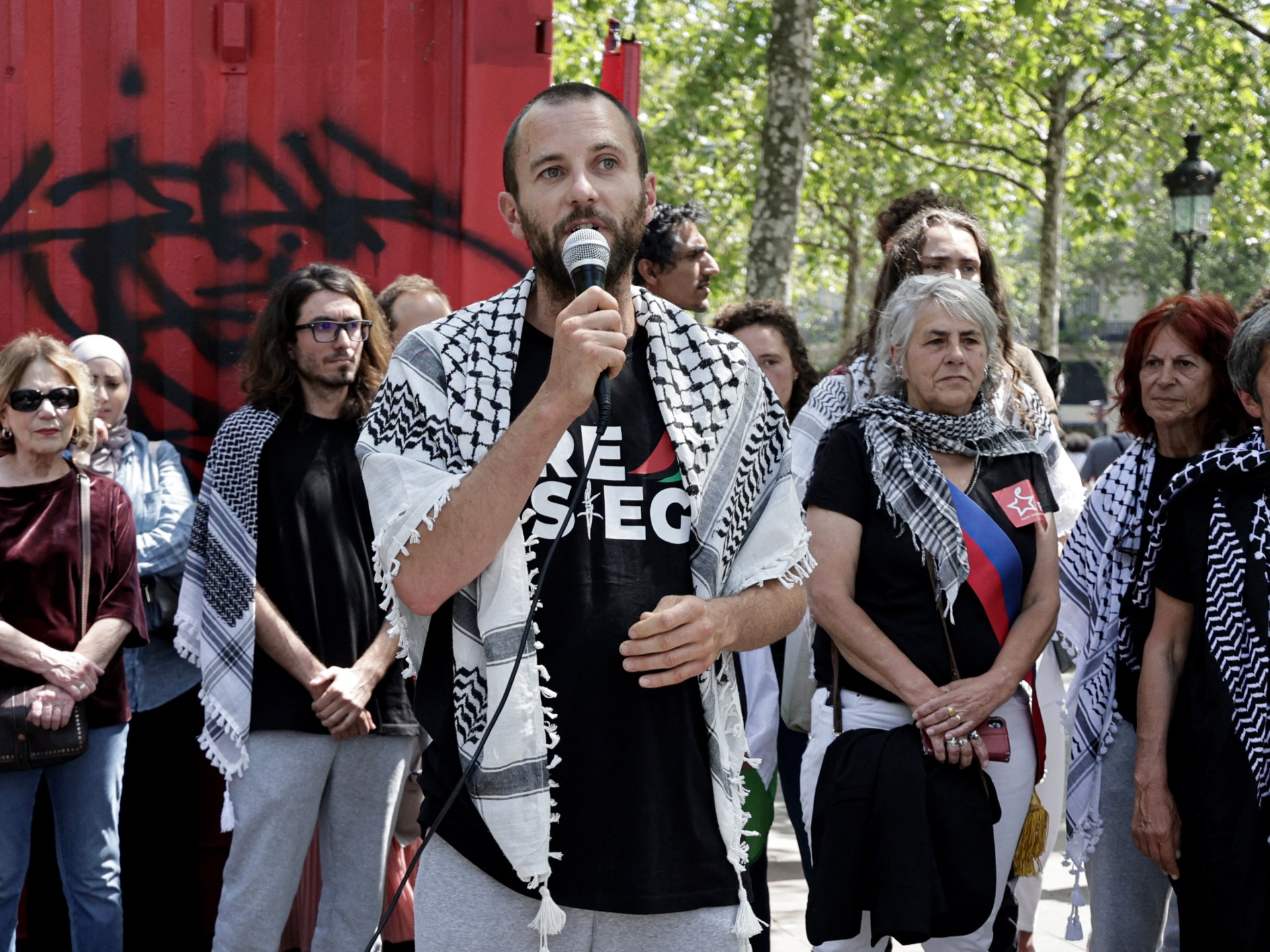
France Initiates Investigation into Allegations of Mistreatment of Gaza Aid Flotilla Activists
 world
world