
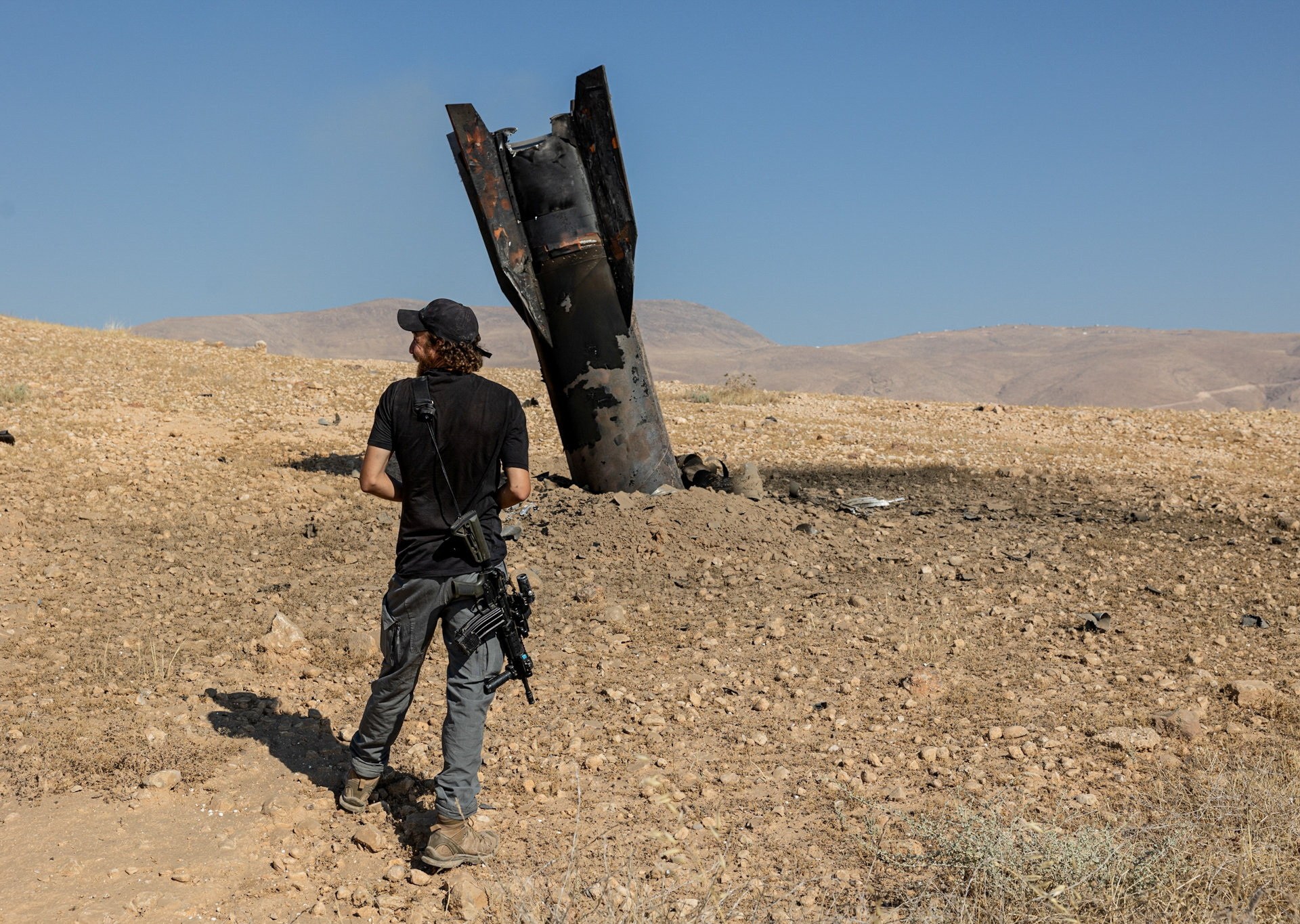
Diplomatic Efforts Intensify Amid Regional Volatility
The delicate balance of power in the Middle East is once again under scrutiny following reports of renewed exchanges between Israel and Iran. This resurgence of tensions comes at a critical juncture, challenging recent efforts to establish a more stable regional environment. In response to these developments, the United States has reportedly initiated diplomatic outreach, aiming to prevent a broader escalation of hostilities.
Presidential Intervention Reported
According to various US media outlets, President Donald Trump has engaged directly with Israeli Prime Minister Benjamin Netanyahu. This high-level communication underscores the international community's concern regarding the potential for an intensified conflict. While the specifics of their discussion have not been fully disclosed, the primary objective is understood to be the containment of the current volatile situation and the prevention of further military actions.
Context of Recent Tensions
The relationship between Israel and Iran has long been characterized by deep-seated animosity and proxy conflicts across the region. Periods of relative calm are frequently punctuated by flare-ups, often triggered by events perceived as provocations by either side. The current situation appears to be another such instance, with both nations reportedly undertaking actions that have led to a breakdown of previously established understandings or ceasefires.
Observers suggest that the faltering ceasefire could be attributed to a confluence of factors, including ongoing geopolitical rivalries, domestic political pressures within both countries, and the complex interplay of various non-state actors in the region. Each incident, regardless of its scale, carries the potential to unravel broader diplomatic achievements and draw in other regional and international players.
The Role of International Diplomacy
The involvement of global powers, particularly the United States, is often seen as crucial in managing these intricate regional dynamics. The US has historically played a significant role in mediating conflicts and fostering dialogue between Middle Eastern nations. President Trump's reported conversation with Prime Minister Netanyahu aligns with this tradition, signaling a proactive approach to crisis management.
Such diplomatic engagements typically involve conveying messages, exploring potential off-ramps for de-escalation, and reiterating calls for restraint. The aim is to prevent a tit-for-tat cycle of attacks from spiraling into a full-blown regional confrontation, which would have severe humanitarian and economic consequences far beyond the immediate belligerents.
Challenges to Sustaining Peace
Achieving a lasting peace or even a sustained ceasefire between Israel and Iran remains an formidable challenge. The ideological differences, strategic imperatives, and security concerns of both nations are deeply entrenched. Any ceasefire or diplomatic understanding is often fragile, susceptible to disruption by unforeseen events or the actions of hardline elements within either camp.
Furthermore, the broader geopolitical landscape, including the ongoing situation in Syria, Lebanon, and Yemen, complicates efforts. These arenas often serve as proxy battlegrounds where the rivalry between Israel and Iran plays out, making it difficult to isolate and de-escalate specific incidents without addressing the wider regional context.
Ultimately, the effectiveness of current diplomatic efforts will depend on the willingness of all parties to exercise restraint and engage constructively. The international community continues to monitor the situation closely, hopeful that high-level interventions can help steer the region away from further conflict.
Source: Original Article
Related Articles
 world
world
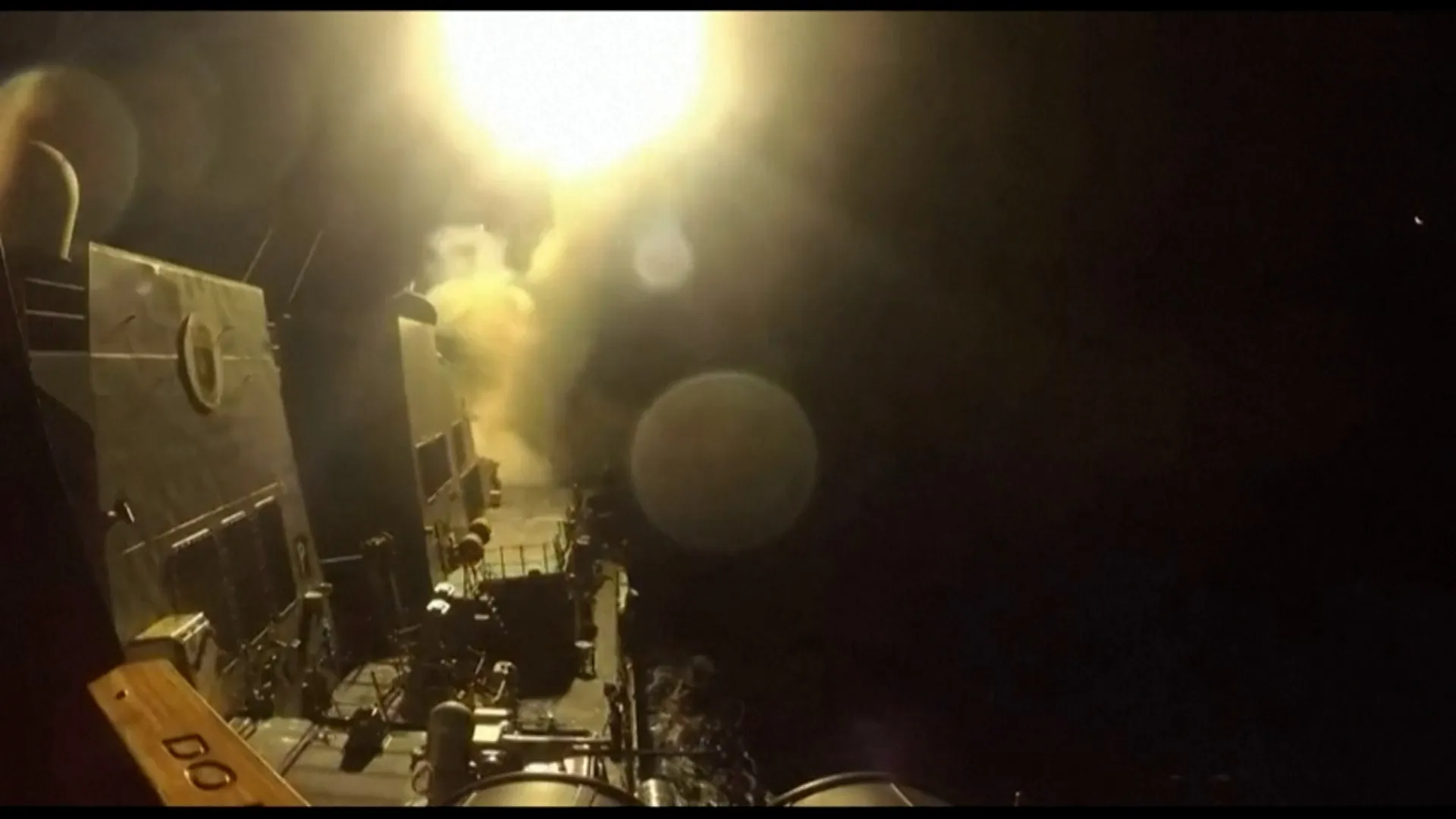
US Central Command Publishes Footage of Strikes Against Iranian Targets
 world
world
Allegations of Sexual Violence Surface in Israeli Detention Facilities
 world
world
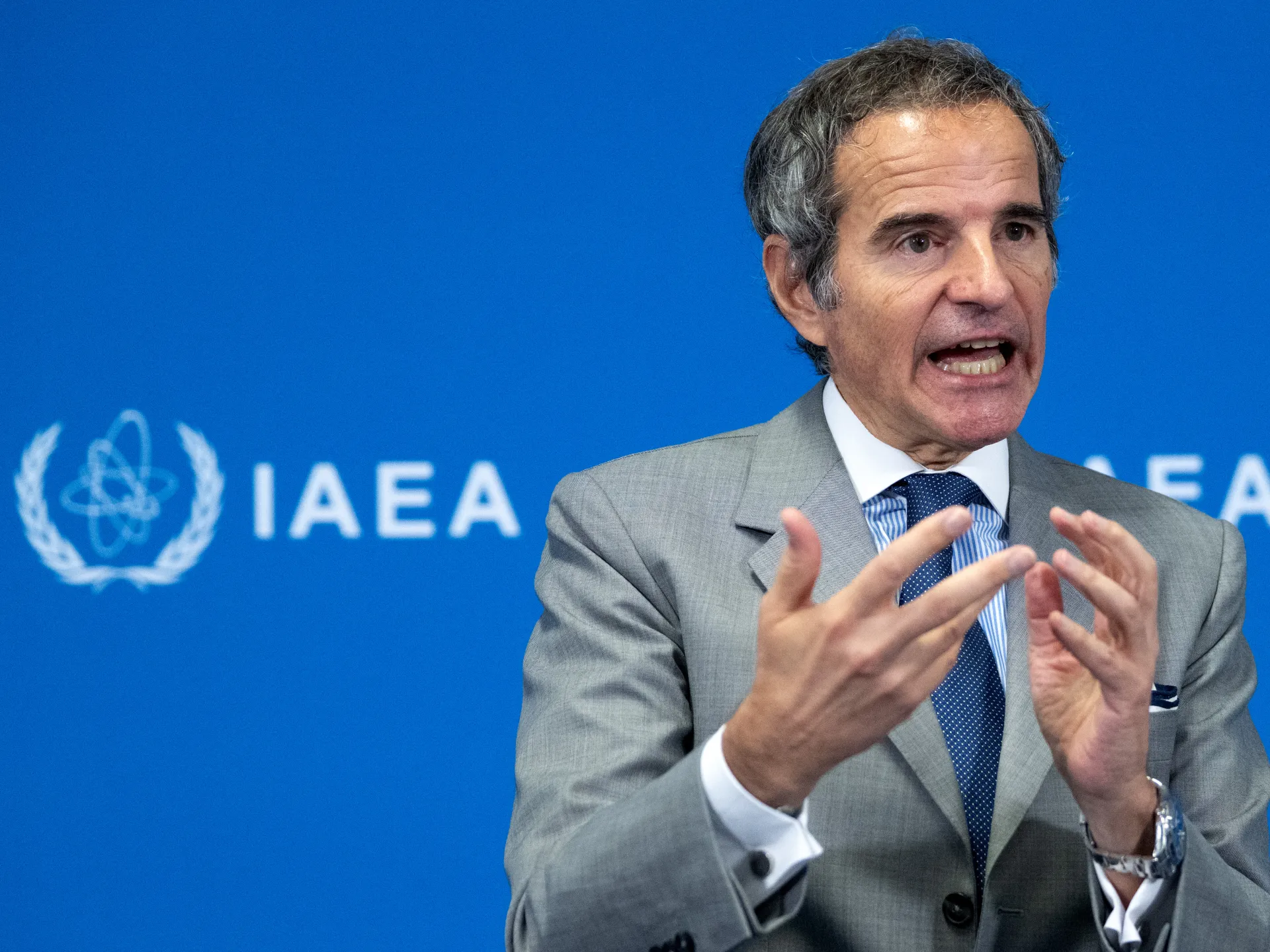
UN Watchdog Demands Iran Account for Enriched Uranium Stockpiles Amid Regional Tensions
 world
world