
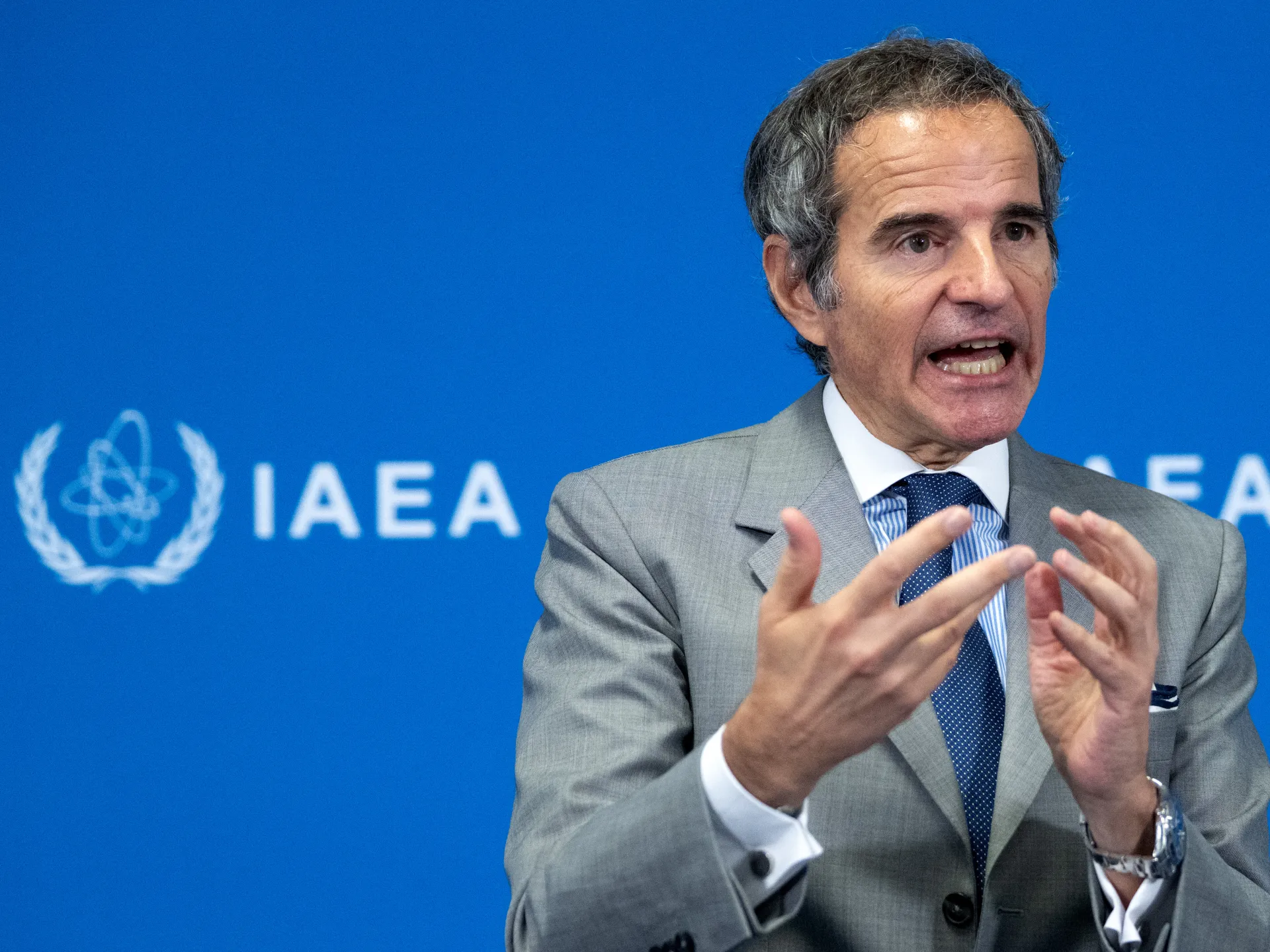
IAEA Resolution Calls for Transparency from Tehran
The governing board of the United Nations' nuclear oversight body, the International Atomic Energy Agency (IAEA), has recently adopted a resolution, backed by the United States, calling on Iran to furnish 'complete information' regarding its inventory of enriched uranium. The resolution further stipulates that Iran must grant unimpeded access to IAEA inspectors to verify these materials. This development occurred on Wednesday, amidst heightened tensions and military exchanges between the U.S. and Iran, following an incident where Washington attributed the downing of an Apache helicopter in the Strait of Hormuz to Tehran.
This demand from the IAEA comes at a particularly sensitive time, marking a significant escalation since a ceasefire in April had temporarily halted weeks of intense U.S. and Israeli military actions against Iran, alongside retaliatory Iranian operations across the Gulf region. Iran has vehemently rejected the resolution, characterizing it as politically motivated and warning that it could impede ongoing efforts to de-escalate the broader conflict.
International Support and Opposition to the Resolution
The resolution was formally presented to the 35-member IAEA board by a coalition comprising the United States, the United Kingdom, France, and Germany. During a closed-door session, the measure garnered significant support, passing with 21 votes in favor, as reported by diplomatic sources to Reuters and AFP news agencies. Conversely, Russia, China, and Niger cast votes against the resolution, while ten member states chose to abstain. One nation did not participate in the vote.
According to IAEA estimates, prior to the initial U.S. and Israeli attacks on Iran in June of the previous year, Iran possessed approximately 440 kilograms of uranium enriched to 60 percent purity—a level nearing weapons-grade material. These attacks targeted three of Iran’s primary nuclear facilities located in Fordow, Natanz, and Isfahan. Following these incidents, Iran suspended its cooperation with the IAEA, and inspectors have since been unable to monitor the material.
The resolution explicitly states that the IAEA has been unable to verify whether any uranium has been diverted from its declared purposes and insists that Iran 'provide the Agency with complete information on nuclear material inventories.' It also urges Iran to grant the IAEA the necessary access to verify these details 'without delay.'
Iran's Rejection and Warnings of Complications
Reza Najafi, Iran's ambassador to the UN in Vienna, strongly condemned the resolution, labeling it as 'counterproductive,' 'politically motivated,' and 'legally flawed.' He issued a stark warning regarding the potential negative repercussions on the already delicate negotiations with U.S. representatives aimed at achieving a comprehensive end to the ongoing conflict. 'It further complicates the volatile situation, volatile ceasefire and the unfinished negotiations between Iran and the US,' Najafi told AFP, emphasizing, 'We have warned about the consequences of such a wrongful act by the US and its supporters.'
Earlier, Iran's Deputy Foreign Minister Kazem Gharibabadi characterized the resolution as a deliberate attempt to shift accountability for the U.S.-Israeli attacks on Iran's nuclear infrastructure back onto Tehran. In a post on X (formerly Twitter) on Tuesday, Gharibabadi stated, 'This is a reversal of responsibility. They target facilities under safeguards, disrupt nuclear safety and verification possibilities, and then use the Board of Governors to pressure Iran.' He further argued, 'The Board of Governors should not become a venue for whitewashing military aggression and shifting its costs onto the victim country.'
The Board of Governors should not become a venue for whitewashing military aggression and shifting its costs onto the victim country.
Currently, the U.S. and Iran are engaged in discussions focused on extending their existing ceasefire and laying the groundwork for broader negotiations concerning various issues, including Iran's nuclear program. Western nations have consistently accused Iran of pursuing nuclear weapons, an accusation that Tehran steadfastly denies, asserting its nuclear program is solely for peaceful purposes.
Source: UN watchdog demands Iran provide information on nuclear stockpile
Related Articles
 world
world
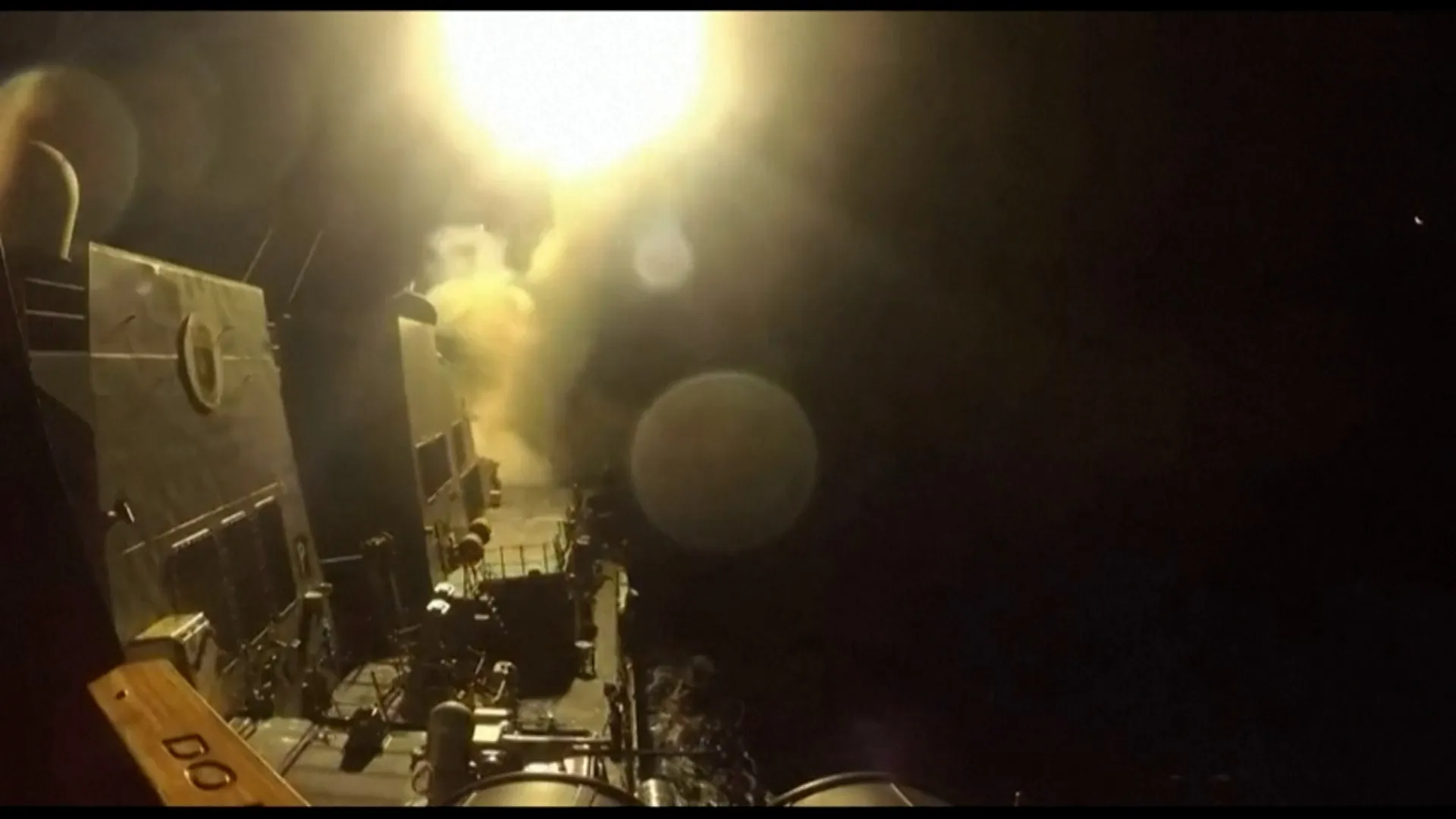
US Central Command Publishes Footage of Strikes Against Iranian Targets
 world
world
Allegations of Sexual Violence Surface in Israeli Detention Facilities
 world
world
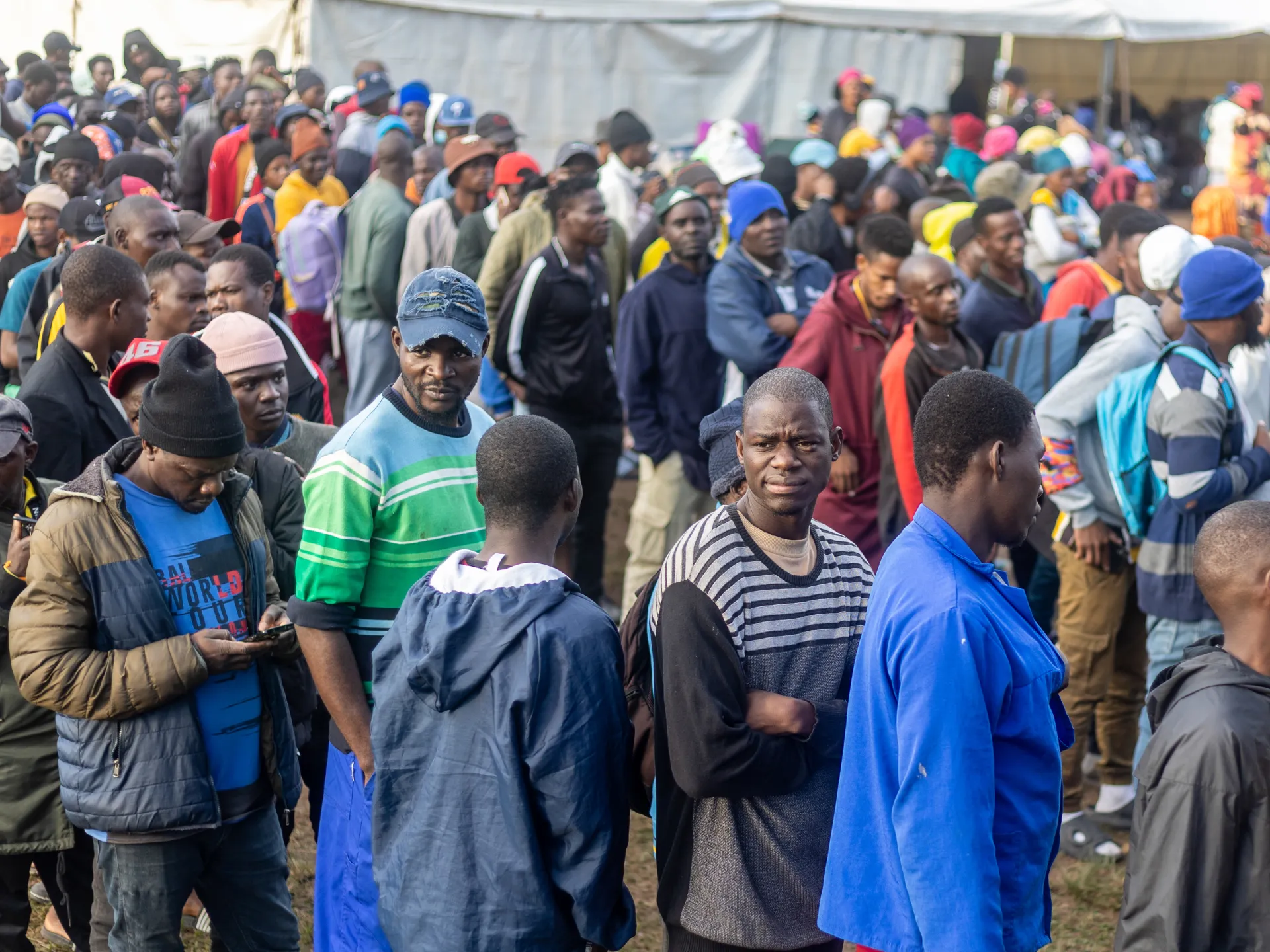
Malawians Seek Repatriation Amid Rising Xenophobic Threats in South Africa
 world
world