
Tensions Rise in Jerusalem
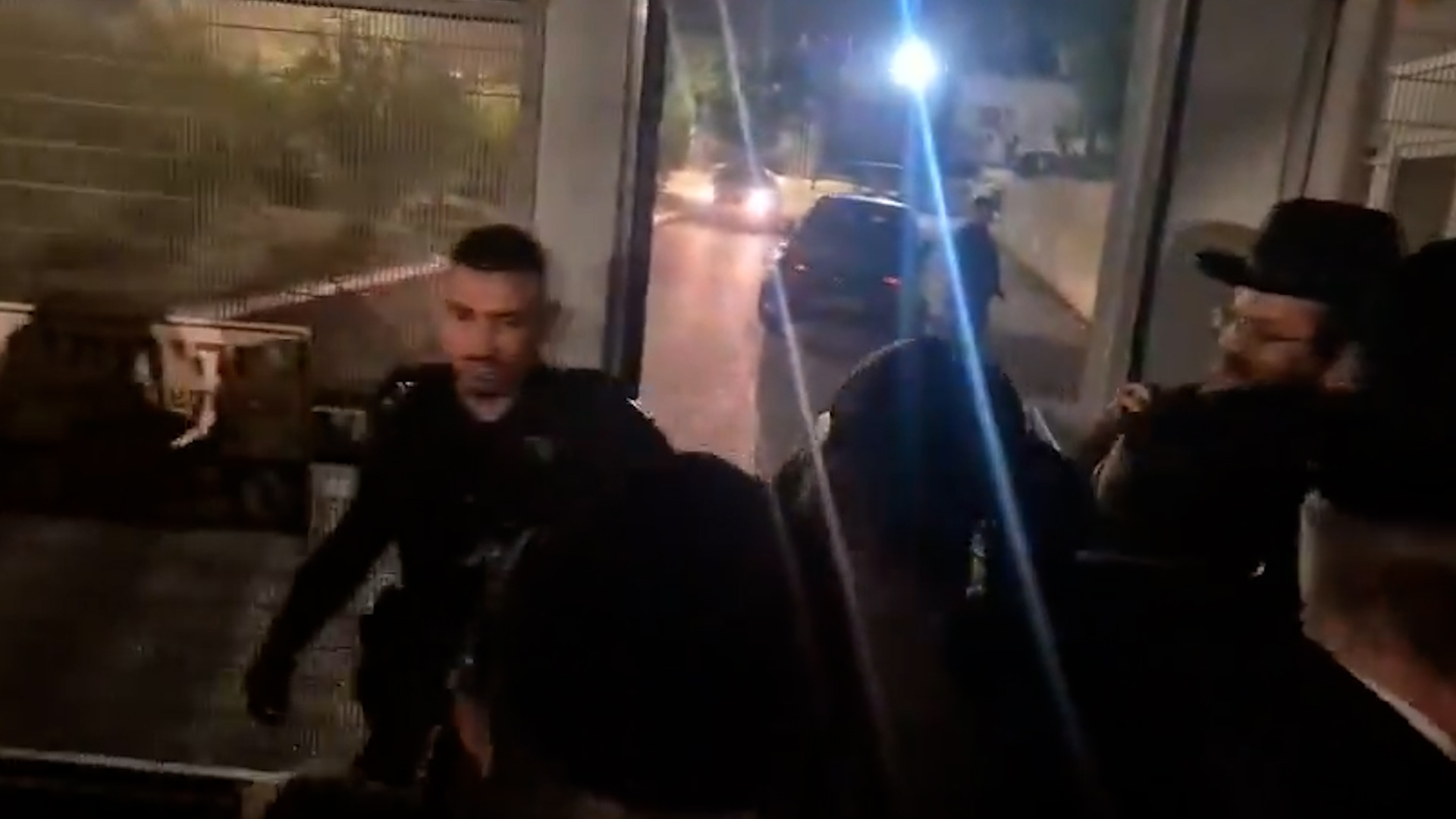
Recent events in Jerusalem saw a significant escalation of tensions between a segment of the ultra-Orthodox Jewish community and Israeli law enforcement. Reports indicate that a demonstration, primarily composed of ultra-Orthodox individuals, culminated in an attempt to storm a police facility.
Background to the Protests
While the immediate trigger for this specific incident remains under scrutiny, protests by ultra-Orthodox groups in Israel often stem from a variety of grievances. These can include disagreements over mandatory military service, perceived infringements on religious autonomy, or objections to secular influences within their communities. The ultra-Orthodox, also known as Haredim, constitute a distinct and significant demographic within Israel, characterized by their strict adherence to Jewish law and traditions.
Their communities often maintain a degree of separation from mainstream Israeli society, leading to occasional friction with governmental policies and secular institutions. Issues surrounding conscription, in particular, have been a long-standing point of contention. Many within the ultra-Orthodox community believe that their full-time religious study is a form of national service and that they should be exempt from military enlistment, a stance that has led to legal challenges and public debate.
The Incident at the Police Station
Details emerging from the scene describe a crowd of demonstrators converging on a police station in Jerusalem. Eyewitness accounts and initial reports suggest that the protest, which may have begun peacefully, took a more confrontational turn, with some individuals attempting to enter the police premises. Such actions typically prompt a strong response from law enforcement, designed to maintain order and protect public property.
The exact nature of the interaction between the protesters and police, including the use of any crowd control measures, is often a key point of investigation following such events. Incidents of this nature underscore the complex social dynamics at play within Israeli society, where religious, political, and cultural differences can sometimes manifest in public demonstrations and confrontations.
Societal Implications and Future Outlook
These types of clashes are not isolated incidents but rather reflect deeper societal undercurrents. They highlight the ongoing challenge for Israeli authorities to balance the rights of protesters with the need to maintain public order and security. For the ultra-Orthodox community, such demonstrations are often seen as a way to voice their concerns and protect their way of life against what they perceive as external pressures.
The resolution of these issues often requires delicate negotiation and a nuanced understanding of the various perspectives involved. While the immediate aftermath of such events focuses on restoring calm, the long-term implications often involve renewed discussions on state-religion relations, conscription policies, and the integration of diverse communities within Israel. The incident in Jerusalem serves as a reminder of the ongoing dialogue and occasional friction that characterize the relationship between different segments of Israeli society and its governing institutions.
Source: Al Jazeera
Related Articles
 news
news
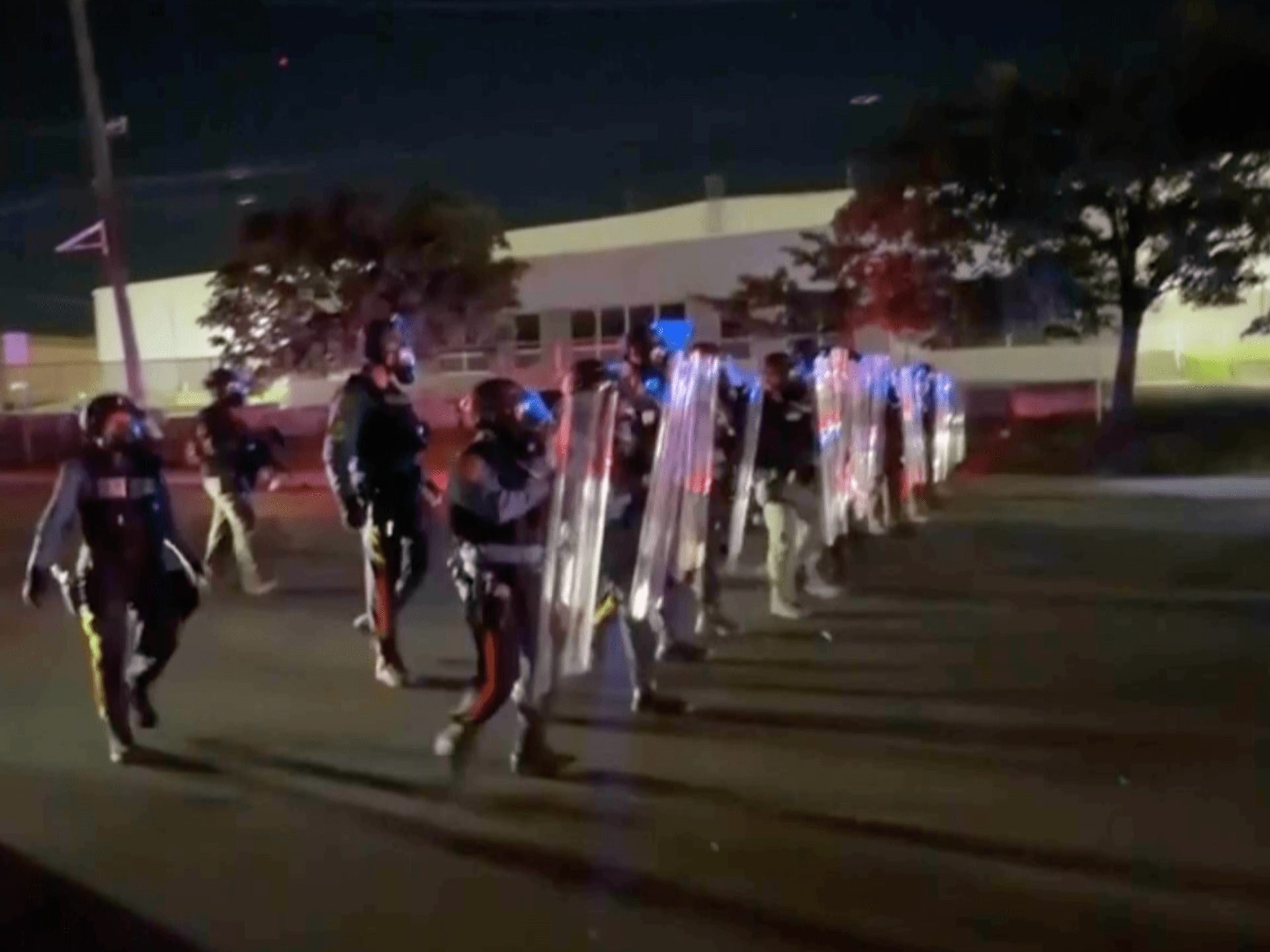
Curfew Imposed in New Jersey Following Escalation of Immigration-Related Demonstrations
 news
news
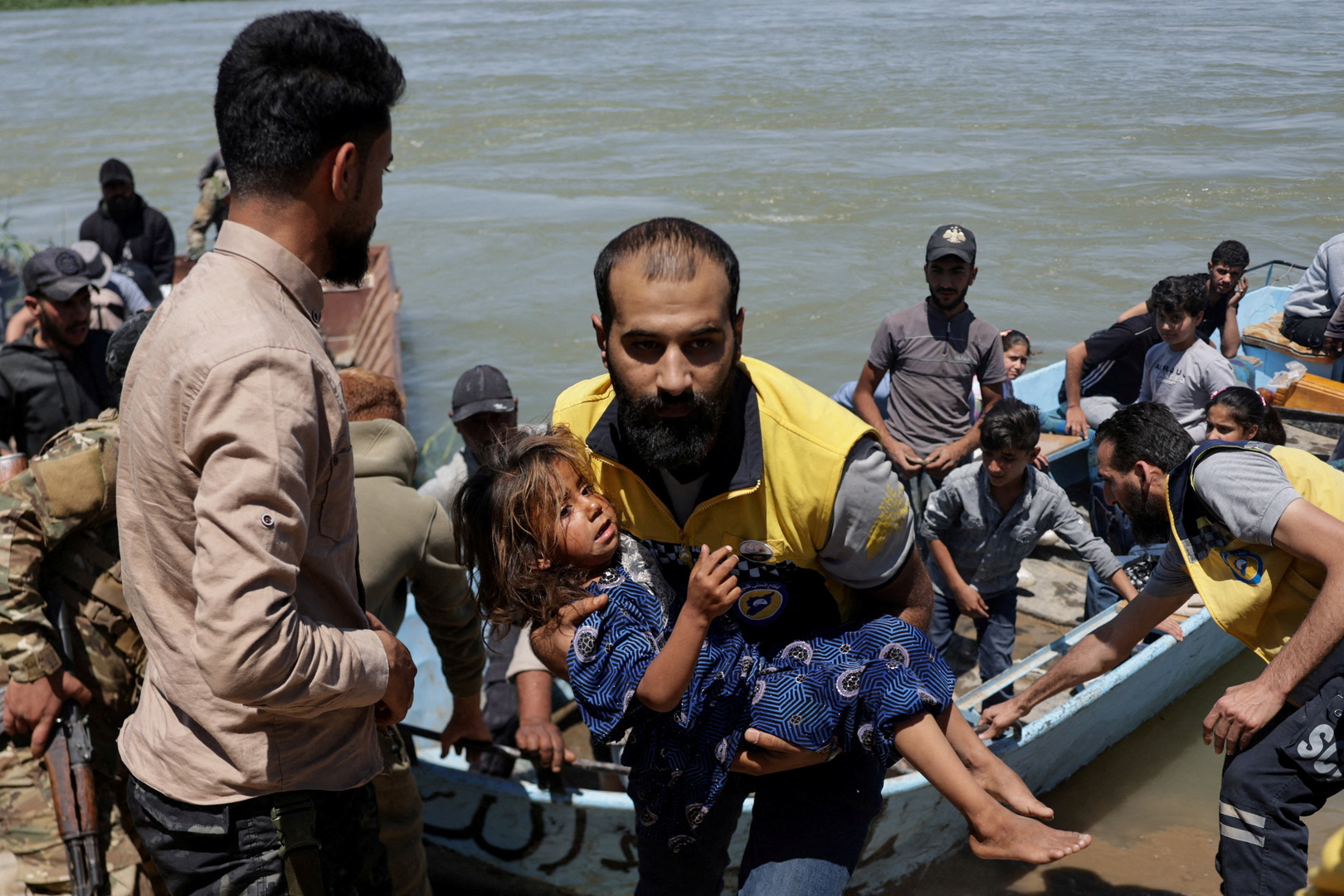
Euphrates River Flooding Prompts Rescue Operations in Eastern Syria
 news
news
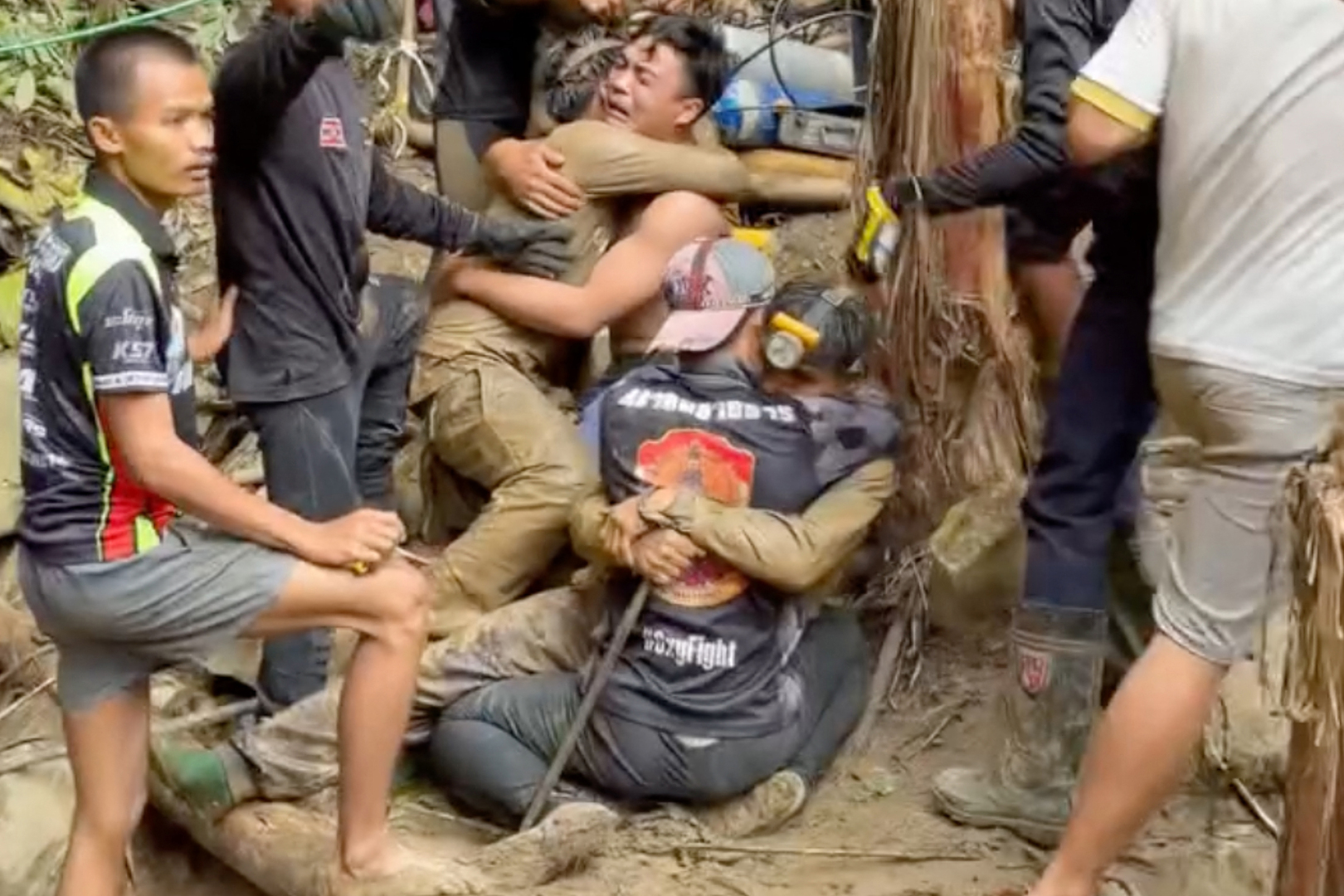
Rescue Efforts Continue in Laos Cave After Flooding Traps Villagers
 news
news