
Historical Tensions Resurface Between Allies
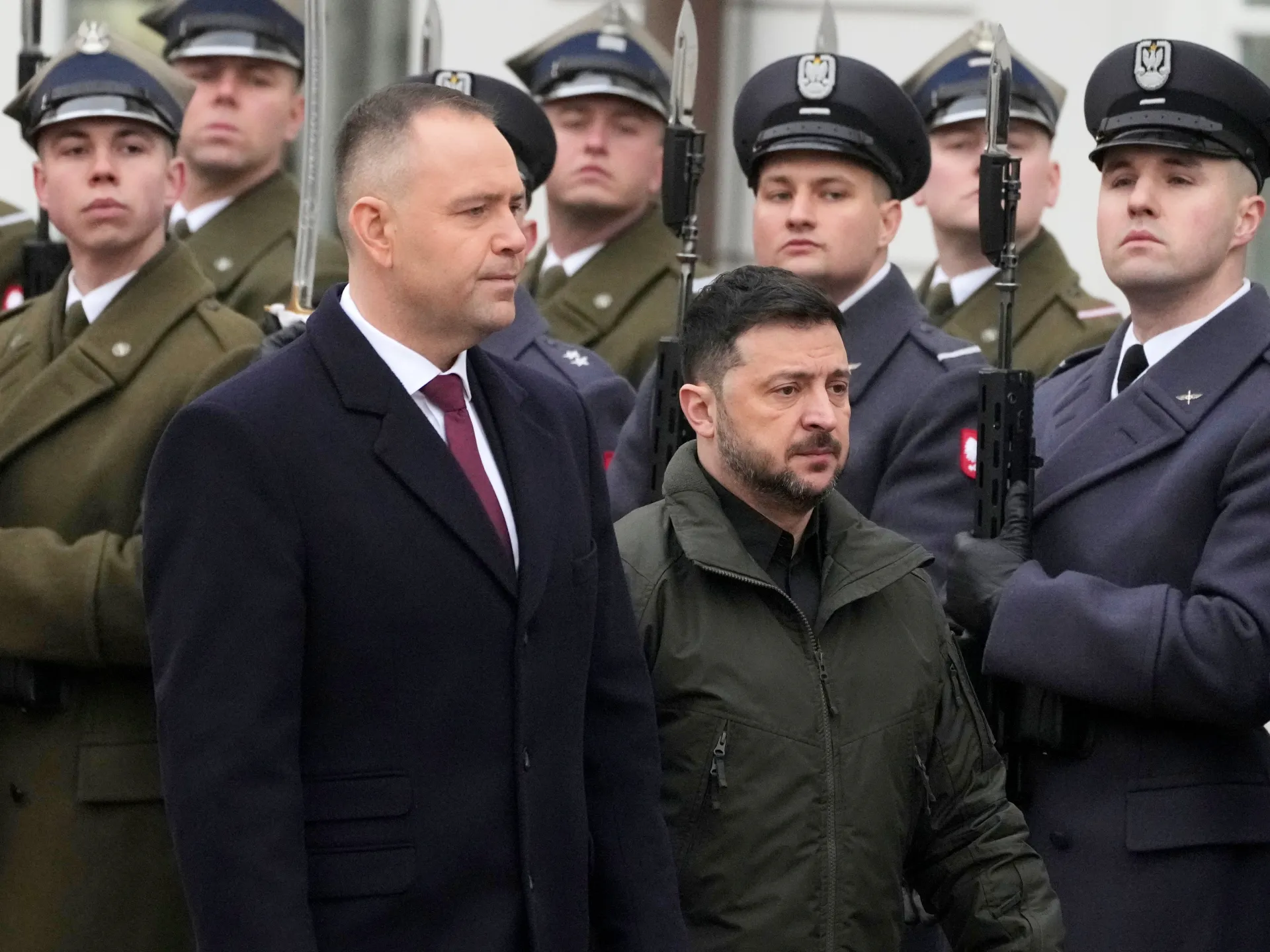
A diplomatic rift has emerged between Ukraine and Poland, key allies in the ongoing conflict with Russia, stemming from historical interpretations of World War II events. The dispute escalated when Poland's President Karol Nawrocki announced the stripping of Ukraine's President Volodymyr Zelenskyy of the Order of the White Eagle, Poland's highest honor. In response, top Ukrainian officials have stated they will return their Polish awards, signaling the depth of the disagreement.
Among those pledging to relinquish their Polish decorations are Kyrylo Budanov, Zelenskyy's chief of staff; Vasyl Bodnar, Ukraine's ambassador to Warsaw; and Andrii Sybiha, the Ukrainian Foreign Minister. Their collective decision, announced recently, underscores the seriousness with which Ukraine views Poland's actions and the underlying historical contention.
The Catalyst: UPA and the Order of the White Eagle
The immediate cause of the diplomatic friction traces back to a decree issued by President Zelenskyy on May 26. This decree designated a Ukrainian military unit with the name of the Ukrainian Insurgent Army (UPA). The UPA was a paramilitary organization active in Ukraine during the 1940s and 1950s, known for its fight against both Nazi German and Soviet forces. However, in Poland, the UPA is largely associated with the mass killings of Poles during World War II, particularly in the Volhynia and Eastern Galicia regions.
President Nawrocki, in explaining his decision to revoke Zelenskyy's Order of the White Eagle, emphasized the Polish perspective on the UPA. He stated that for the majority of Poles, "the Ukrainian Insurgent Army remains above all a formation responsible for cruel crimes against the citizens of the Polish Republic during World War II." The Order of the White Eagle had been conferred upon Zelenskyy in 2023 by then-Polish President Andrzej Duda, in recognition of his contributions to security, resilience, and the defense of human rights, particularly in the context of Russia's full-scale invasion of Ukraine.
Ukrainian Response and Concerns
Ukrainian officials have voiced strong criticism of President Nawrocki's decision, characterizing it as unhelpful and strategically misguided, especially given the current geopolitical climate. Kyrylo Budanov, in a social media post, described the move as an "unfriendly act toward our people" and a "gift to the Moscow aggressor, which will certainly use it against both of our countries." This sentiment reflects a concern that internal divisions between allies could be exploited by Russia.
Foreign Minister Sybiha echoed these concerns, labeling the decision a "strategic mistake." Ambassador Bodnar, currently stationed in Warsaw, expressed that the act was "especially painful" at a time when Ukraine is actively engaged in defending itself against relentless Russian attacks. These statements highlight Ukraine's belief that such historical disputes, while significant, should not undermine the crucial solidarity needed in the face of ongoing aggression.
Calls for De-escalation and Historical Context
Recognizing the potential for escalating tensions, Polish Prime Minister Donald Tusk, a political rival of President Nawrocki, publicly urged both sides to "calm tensions." In a post on X, Tusk articulated his concern that conflict between Poland and Ukraine "delights Putin and shocks our allies," underscoring the broader implications of the dispute for regional stability and international alliances.
The historical narrative surrounding the UPA is complex and deeply contentious. While Poland primarily remembers the UPA for its role in the massacres of Polish civilians, Ukrainian historical accounts often portray the UPA as a national liberation movement that fought for an independent Ukraine against various occupying powers. Ukrainian historians also point to large-scale attacks and reprisals launched by both UPA and Polish underground forces against each other, which resulted in casualties among both Ukrainian and Polish civilian populations during World War II. This divergent understanding of historical events continues to pose challenges for contemporary relations between the two nations.
Despite the current diplomatic friction, President Nawrocki affirmed that his decision would not diminish Poland's unwavering support for Ukraine against Russia. Both nations have been vital partners since the full-scale invasion began, with Poland providing significant military, humanitarian, and political assistance to Ukraine. The challenge now for both Kyiv and Warsaw will be to navigate these sensitive historical differences without compromising their strategic alliance against a common adversary.
Source: Top Ukrainian officials return Polish awards in WWII dispute
Related Articles
 world
world
Global Displacement Sees First Decline in a Decade: What Led to Millions Returning Home?
 world
world
Iran Urges US to Ensure Israeli Compliance with Lebanon Ceasefire Amid Regional Tensions
 world
world
The Long Road Home: Examining the Surge in Refugee Returns Amidst Lingering Challenges
 world
world