
Britain's Stance on Youth Online Safety
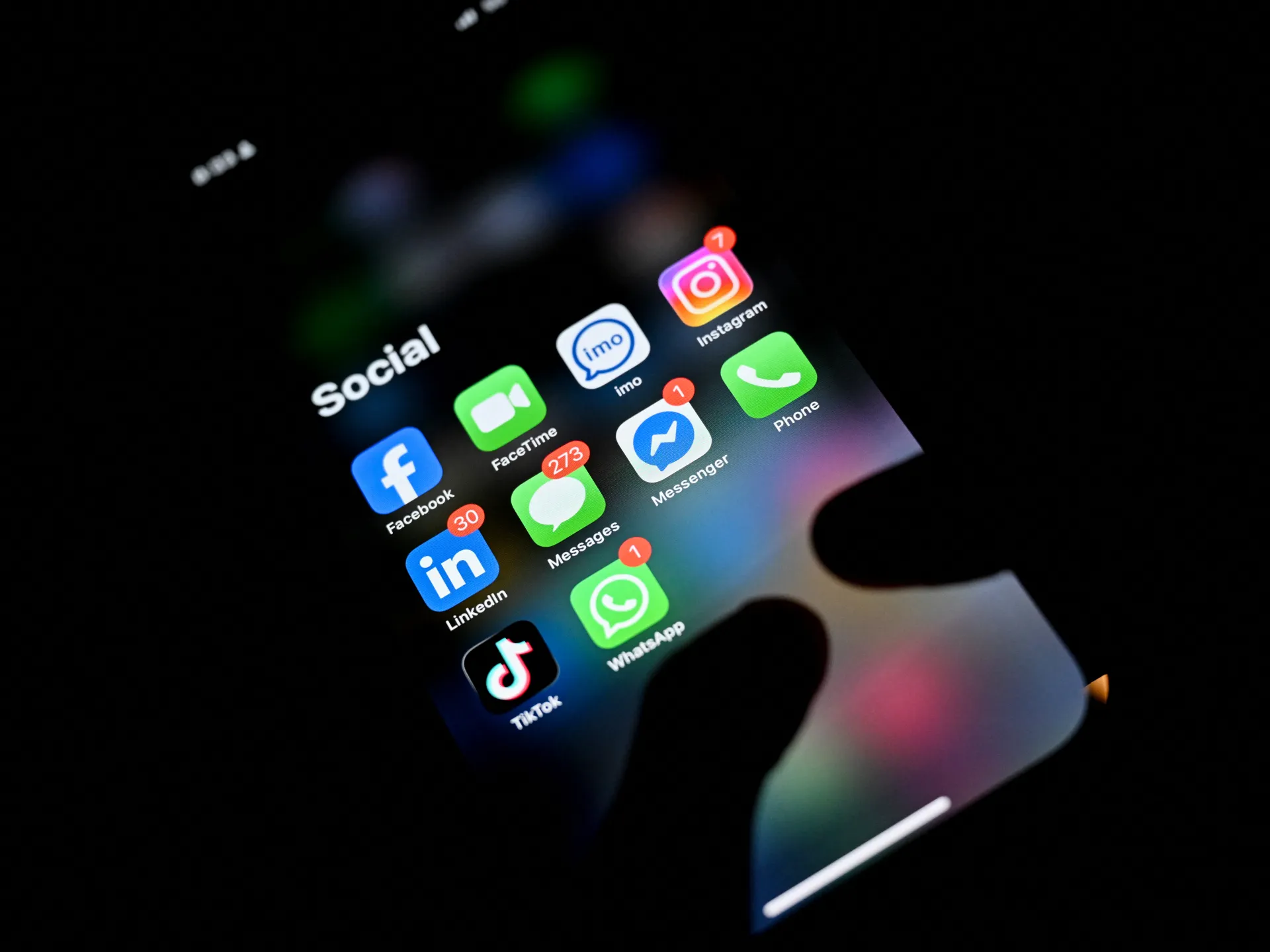
The United Kingdom is set to introduce a wide-ranging prohibition on social media platforms for individuals below the age of 16. This significant policy shift was unveiled by British Prime Minister Keir Starmer, who emphasized the government's commitment to safeguarding children online and addressing the influence of major technology corporations. The initiative aligns the UK with other countries that are increasingly implementing digital restrictions to protect younger populations.
During a press conference, Prime Minister Starmer articulated the rationale behind the decision. He stated that a complete ban is considered the most appropriate course of action, anticipating that it will reshape family discussions and children's expectations concerning digital engagement over time. Starmer highlighted the potential for this measure to enhance children's safety and well-being, affording them increased time, security, and freedom to develop.
Addressing Digital Risks and Addictive Designs
The Prime Minister underscored the belief that social media platforms frequently expose young users to content deemed dangerous and are often engineered with addictive features. Beyond the direct ban on popular social media applications such as TikTok, Snapchat, and Instagram, the government also plans to target gaming and livestreaming services that facilitate interactions between children and unfamiliar adults. Starmer drew a parallel to offline safety, questioning whether parents would permit their children to engage with strangers in the physical world, thus justifying intervention in the digital sphere.
The government's concerns extend to the design principles of these platforms, which are often optimized for maximum engagement, potentially contributing to addictive behaviors. This aspect has been a recurring point of contention globally, with critics arguing that such designs prioritize profit over user well-being, especially for vulnerable younger audiences. The proposed ban is intended to mitigate these inherent risks by limiting access for those most susceptible to their negative effects.
Legislative Timeline and Broader Consultations
Prime Minister Starmer expressed optimism about passing the necessary legislation by late December, with the aim of implementing the ban by the spring of the following year. Further details regarding the policy are expected to be released in July. The government's statement also indicated that it would explore additional measures for individuals under 18, including potential overnight curfews for digital device usage and mechanisms to interrupt infinite scrolling patterns, signaling a broader strategy for youth online regulation.
This comprehensive approach suggests a recognition that merely banning access for the youngest demographic might not be sufficient to address all digital challenges faced by adolescents. Measures like curfews and breaks in engagement are designed to promote healthier digital habits and prevent excessive screen time, which has been linked to various health and developmental concerns.
International Precedents and Industry Reactions
The UK's decision has been influenced by international precedents. Australia, for instance, introduced a ban on social media for under-16s in December, marking it as the first nation to do so. Similarly, Canada's culture minister recently proposed legislation that would prohibit social media accounts for anyone under 16 and mandate AI chatbot platforms to restrict the creation of harmful content. These parallel initiatives reflect a growing global consensus among governments regarding the need for stricter regulation of children's online activities.
The British government's announcement followed extensive consultations, which included trials where British teenagers experimented with social media bans and time limits on applications. These trials likely provided valuable insights into the practical implications and potential benefits of such restrictions. However, the proposed blanket ban has not been met without criticism from industry stakeholders. A spokesperson for YouTube, for example, voiced concerns that a complete prohibition could inadvertently steer children towards less secure online services, potentially undermining the very safety objectives the policy aims to achieve. This highlights the complex challenge of balancing protection with ensuring that young people can still access beneficial online resources safely.
Source: Britain announces sweeping social media ban for under-16s
Related Articles
 news
news
International Courts Scrutinize 'Battlefield Evidence' in Prosecutions of Palestinian Activists
 news
news
Fatal B-52 Bomber Crash Claims Eight Lives in Southern California
 news
news
Australia Braces for Potentially Historic El Niño Event
 news
news