
Introduction to Proposed UK Online Safety Measures
The United Kingdom government has announced its intention to introduce significant new regulations aimed at enhancing online safety for children and young people. A central component of these proposals includes a ban on social media access for individuals under the age of 16. Additionally, the new framework will impose more stringent rules on online gaming and livestreaming platforms, reflecting a broader effort to mitigate potential harms associated with digital environments.
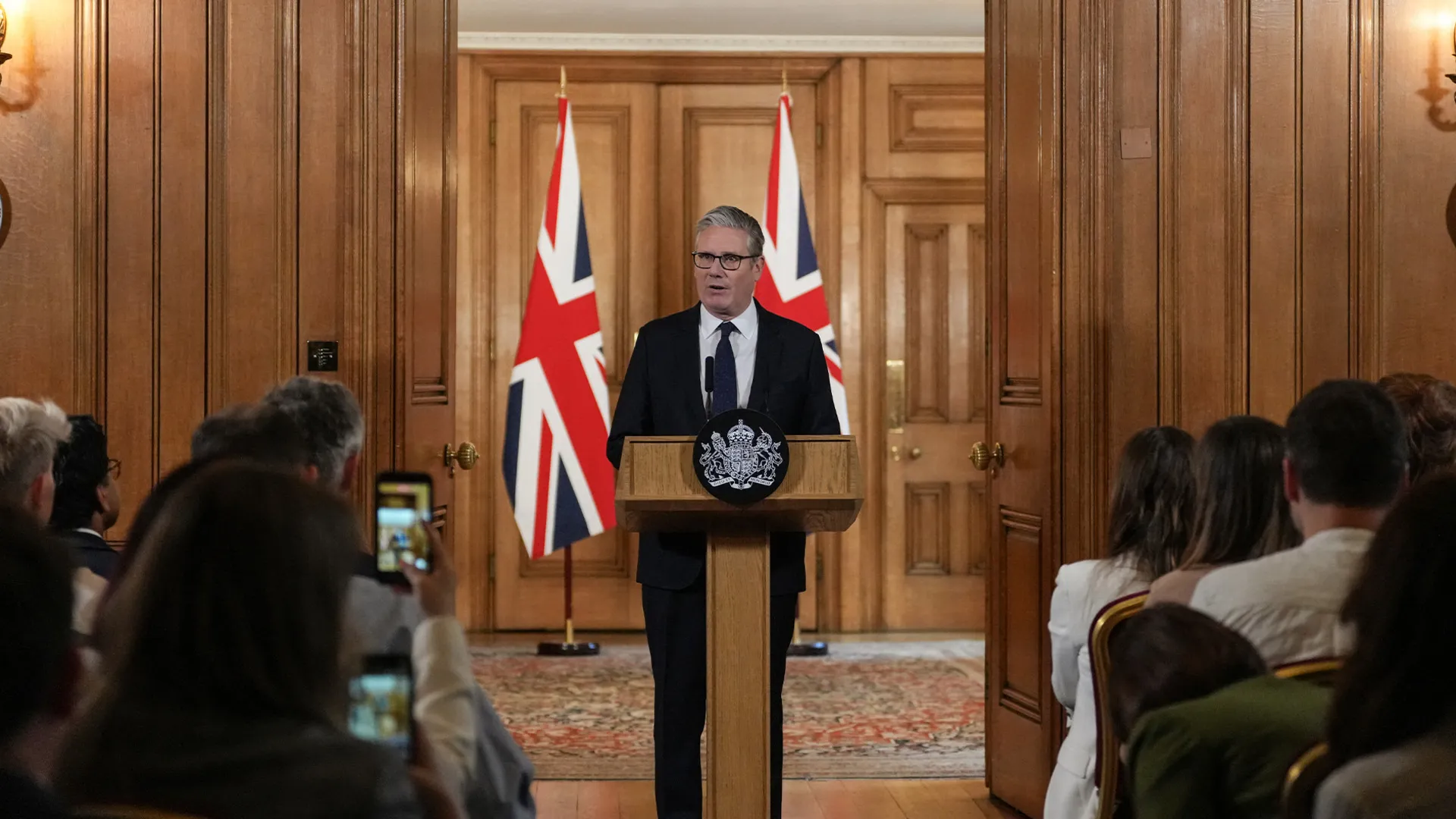
Prime Minister Keir Starmer articulated that these measures are primarily designed to safeguard children from various online risks. He emphasized that the initiative also seeks to address the influence of large technology companies by implementing robust online safety protocols. The government anticipates that the detailed regulations will be finalized and introduced by the close of the current year.
Rationale Behind the Age Restriction
The decision to implement an age-based ban on social media for those under 16 stems from growing concerns regarding the impact of these platforms on the mental health, well-being, and development of young people. Experts and advocacy groups have frequently highlighted issues such as cyberbullying, exposure to inappropriate content, and the potential for addiction as significant risks associated with early and unregulated social media use. The government's stance suggests a belief that a blanket prohibition for this age group is a necessary step to create a safer online space.
Proponents of the ban argue that children and young teenagers may lack the cognitive maturity to navigate the complexities and pressures inherent in social media environments. The constant comparison with peers, the curated realities presented online, and the pressure to maintain an online presence can contribute to anxiety, depression, and body image issues. By setting a minimum age, the government aims to provide a protective barrier, allowing younger individuals to develop offline before engaging with the broader social media landscape.
Addressing the Influence of Big Tech
A secondary, yet crucial, objective of the proposed legislation is to curb the power and influence of major technology companies. Prime Minister Starmer indicated that the new regulations would involve “tough online safety measures” designed to hold these platforms more accountable for the content and experiences they provide to users, particularly minors. This move aligns with a global trend among governments to increase oversight of tech giants, which have often operated with relatively little regulatory intervention.
The specific mechanisms through which this accountability will be enforced are expected to be detailed in the upcoming regulations. These could include requirements for more robust age verification systems, greater transparency in content moderation practices, and potentially significant penalties for non-compliance. The government's focus on this aspect underscores a recognition that self-regulation by tech companies has not always been sufficient to protect vulnerable users.
Impact on Gaming and Livestreaming
Beyond social media, the proposed regulations extend to online gaming and livestreaming platforms. These platforms, while offering entertainment and community, also present unique challenges for child safety. Concerns range from exposure to mature content and predatory behavior to excessive screen time and financial exploitation through in-game purchases or donations to streamers.
The tightened rules for these sectors are likely to involve measures such as enhanced parental controls, stricter content ratings, and safeguards against exploitative monetization practices. For livestreaming, there might be new requirements regarding the moderation of live chats and the protection of minors who participate in or view streams. The aim is to ensure that these increasingly popular digital activities are conducted in an environment that prioritizes the safety and well-being of young participants.
Implementation and Future Outlook
The announcement sets the stage for a period of legislative development, with the government committed to finalizing the regulations by the end of the year. The implementation of such a ban and new rules will undoubtedly present significant practical challenges, particularly concerning effective age verification and enforcement across a vast and rapidly evolving digital landscape. Technology companies will likely need to invest heavily in new systems and processes to comply with the forthcoming requirements.
While the initiative has been framed as a protective measure, it is also expected to spark considerable debate among various stakeholders, including civil liberties advocates, educators, parents, and the tech industry itself. Discussions will likely revolve around the practicality of enforcement, the potential impact on digital literacy, and the balance between protection and individual freedoms. The UK's approach could also influence similar policy discussions in other countries grappling with the complexities of online safety for minors.
The government's proposals represent a significant step in re-evaluating the relationship between young people and digital platforms, aiming to create a more secure online environment for the next generation.
Related Articles
 news
news
International Courts Scrutinize 'Battlefield Evidence' in Prosecutions of Palestinian Activists
 news
news
Fatal B-52 Bomber Crash Claims Eight Lives in Southern California
 news
news
Australia Braces for Potentially Historic El Niño Event
 news
news