
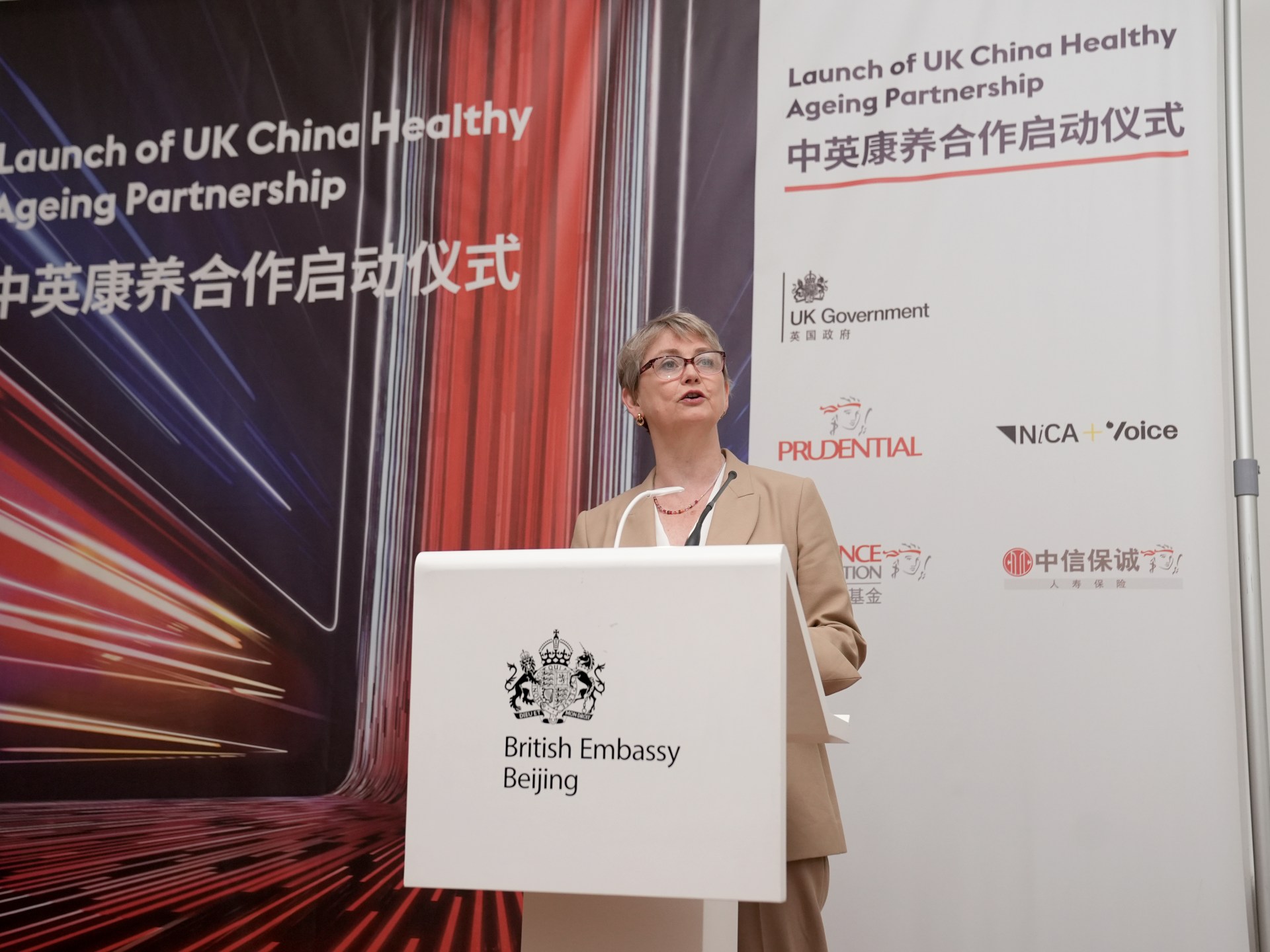
Re-evaluating UK-China Dynamics
British Foreign Secretary Yvette Cooper recently articulated a nuanced perspective on the United Kingdom's engagement with China, suggesting a move towards a relationship built on 'candour and respect,' even while acknowledging persistent divergences. This statement signals a potential thawing of what some have characterized as an 'ice age' in diplomatic relations between the two nations.
The Imperative of Engagement
The evolving geopolitical landscape underscores a growing recognition among Western countries, including the UK, that collaboration with Beijing is not merely desirable but essential for addressing a myriad of global challenges. From climate change and pandemic preparedness to economic stability and regional security, China's role on the international stage is undeniable, making sustained dialogue a pragmatic necessity.
For years, relations between the UK and China have been strained by various issues, including human rights concerns in Xinjiang, the political situation in Hong Kong, and allegations of economic espionage. These tensions have often led to a more confrontational stance from Western governments, prioritizing criticism over direct engagement. However, recent statements from high-ranking officials like Cooper suggest a strategic pivot towards a more balanced approach.
Navigating Differences with 'Candour and Respect'
Secretary Cooper's emphasis on 'candour and respect' outlines a framework for future interactions where disagreements are openly acknowledged without necessarily leading to a complete breakdown in communication. This approach aims to foster an environment where sensitive topics can be discussed honestly, while simultaneously seeking areas of common interest for cooperation.
"We must be candid about our differences, but also respectful in our dialogue, recognizing China's significant role in the world," Cooper reportedly stated, highlighting the dual imperative of principled engagement and practical collaboration.
This diplomatic language suggests a desire to move beyond purely adversarial rhetoric, seeking instead a more mature and pragmatic relationship. It acknowledges that while fundamental disagreements may persist, the interconnectedness of the global economy and shared transnational challenges demand a more constructive engagement strategy.
Economic Interdependencies and Global Challenges
Economically, the UK, like many Western nations, has significant trade and investment ties with China. Decoupling from the Chinese economy, while sometimes discussed, is often seen as an impractical and potentially damaging endeavor. Supply chains, technological development, and market access all contribute to a complex web of economic interdependencies that cannot be easily disentangled.
Beyond economics, global issues such as climate change present an urgent need for cooperation. China, as the world's largest emitter of greenhouse gases and a leader in renewable energy technology, is a critical partner in any meaningful global climate action. Similarly, future pandemics or other global health crises would necessitate coordinated international responses, in which China's participation would be paramount.
The Broader Western Context
The UK's evolving stance reflects a broader debate within Western alliances about how to effectively manage relations with China. While some advocate for continued pressure and containment, others argue for a strategy that balances competition with cooperation. The recent shift in tone from the UK could be indicative of a growing consensus that a purely confrontational approach is unsustainable and potentially counterproductive in the long run.
Ultimately, the challenge for the UK and its Western allies will be to define a relationship with China that protects national interests and upholds democratic values, while simultaneously enabling effective collaboration on the pressing global issues that require a united international front. The call for 'candour and respect' marks a potentially significant step in this complex diplomatic endeavor.
Source: Al Jazeera
Related Articles
 world
world
Escalating Tensions: Assessing the Impact of Recent Ceasefire Efforts in Lebanon
 world
world
Gaza Residents Begin Cleanup Following Overnight Israeli Strikes
 world
world
France Initiates Investigation into Allegations of Mistreatment of Gaza Aid Flotilla Activists
 world
world