British Authorities Detain Tanker Linked to Russian 'Shadow Fleet'
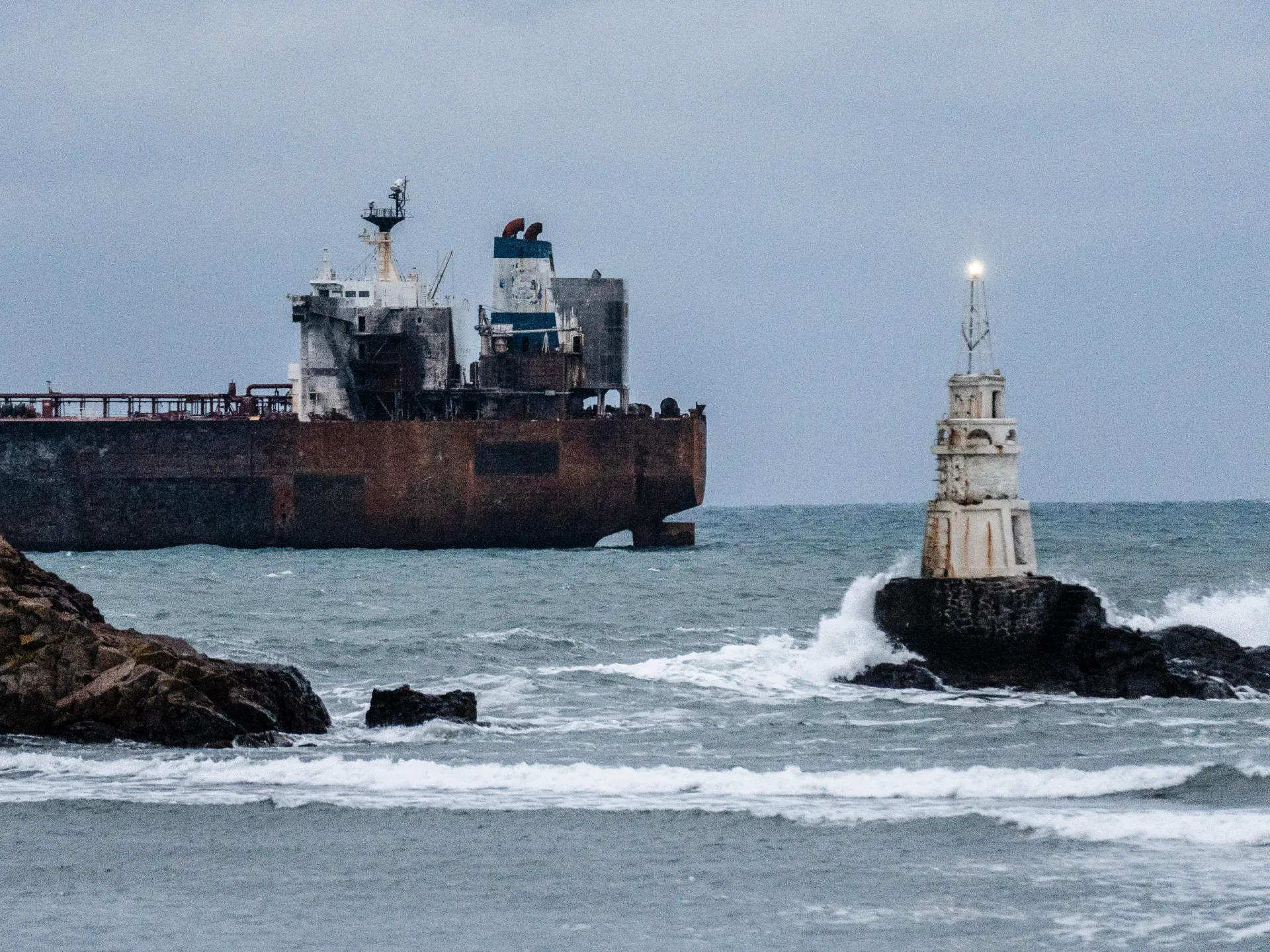
British forces have successfully intercepted and seized an oil tanker believed to be part of Russia's 'shadow fleet' while it attempted to traverse the English Channel. This operation, confirmed by Prime Minister Keir Starmer, represents a concerted effort to curtail financial resources supporting Russia's ongoing military actions in Ukraine.
Prime Minister Starmer articulated the significance of the seizure in a public statement, emphasizing that the action delivers a substantial blow to Russia's capabilities. He reiterated the commitment of the UK to prevent entities from covertly supporting Russian President Vladimir Putin's war in Ukraine, affirming that such activities will not be tolerated or allowed to remain concealed.
Operation Details and Official Statements
The UK Ministry of Defence corroborated the details of the seizure, which took place early on a Sunday morning. The vessel, identified as the Smyrtos, was reportedly sailing under a Cameroonian flag. The operation was a multi-agency effort, involving Royal Marine Commandos and National Crime Agency officials. Support was provided by Chinook helicopters, various other aircraft, a frigate, and a minehunter, underscoring the strategic importance and complexity of the mission.
Defence Secretary Dan Jarvis commended the personnel involved, highlighting their skill, professionalism, and courage. He stated that such operations are vital in countering Russia's reliance on its shadow fleet to finance its conflict in Ukraine, thereby delivering a significant setback to what he described as Putin's illegal war.
The entire operation spanned approximately six hours. Following its seizure, the vessel is slated for provisional relocation to an anchorage off the South Coast of England. There, it will undergo continuous monitoring to address any potential environmental or safety concerns that may arise.
International Reactions and Broader Implications
Ukrainian President Volodymyr Zelenskyy publicly expressed his gratitude to Prime Minister Starmer and the British populace for their unwavering resolve. He commented that Russia's hubris, fueled by substantial oil and gas revenues, was a primary factor in initiating the conflict. Zelenskyy further asserted that every decision made by international partners to deprive Russia of financial resources directly contributes to limiting the scope and duration of the war.
President Zelenskyy also advocated for urgent legislative measures across Europe. He called for actions that would not only enable the detention of tankers and the imposition of restrictions on oil shipments but also facilitate the confiscation of the oil cargo itself. This sentiment reflects a broader desire among some international actors to escalate economic pressure on Russia.
According to data from the MarineTraffic website, the Smyrtos, under the Cameroonian flag, had departed from the Russian Baltic port of Ust-Luga on June 5 and was reportedly en route to Port Said, Egypt, at the time of its interception.
Context of the 'Shadow Fleet' and Sanctions
This incident is not isolated. In January, French forces similarly impounded another suspected Russian tanker, the Grinch. Following this, in March, the vessel Deyna, which had sailed from Murmansk under a Mozambican flag, was detained in Marseille. These incidents collectively illustrate a growing international effort to target vessels suspected of circumventing sanctions.
Oil revenue constitutes a crucial component of Russia's economy, serving to offset the substantial costs associated with the ongoing conflict in Ukraine, now in its fifth year. Russia is widely believed to operate a fleet comprising hundreds of ships specifically designed to evade the international sanctions imposed in response to the war. The UK, alongside other allied nations, has explicitly pledged to intensify its crackdown on this sanctions-busting 'shadow fleet'.
The UK Ministry of Defence has indicated that Britain has imposed sanctions on over 500 vessels to date. These measures appear to be having an effect, with Russia's oil and gas revenues reportedly declining by 24 percent in 2025 compared to the previous year. Numerous Western countries have implemented sanctions on Russian vessels since the full-scale invasion of Ukraine in 2022. In response, Russian President Vladimir Putin has condemned the capture of Russia-linked vessels, characterizing such actions as 'piracy'.
Source: Original Article
Related Articles
 world
world
International Sanctions Target Settlers Amidst Escalating West Bank Tensions
 world
world
G7 Leaders Convene in France Amidst Critical Discussions on Iran and Ukraine
 world
world
Iran Cautions Against Israeli Presence in Lebanon, Citing Potential US Accord Violation
 world
world