
A New Chapter in UK Leadership
The United Kingdom is poised to witness another shift in its top political office, as Keir Starmer, after serving less than two years as prime minister, announced his intention to resign. This development, driven by escalating pressure from within his own Labour Party, marks a significant moment in recent British political history, setting the stage for the nation to welcome its seventh prime minister in a mere decade. The rapid succession of leaders underscores a period of considerable volatility in the UK's political landscape.
Starmer, who guided the Labour Party to a resounding victory in the general election nearly two years prior, made his resignation public in an emotional address on Monday. He indicated that he would remain in his current role until a new Labour leader is chosen, who would subsequently assume the premiership. The official contest for leadership is scheduled to commence on July 9, with the aim of concluding before the UK Parliament's summer recess. This timeline suggests a potentially swift transition, though the exact duration will depend on the dynamics of the leadership race.
The Road to Resignation
The decision by Prime Minister Starmer to step down was the culmination of weeks of intense internal pressure. His position had been considerably weakened following a series of disappointing outcomes in recent local elections. The final catalyst, however, appeared to be a decisive parliamentary by-election victory in Makerfield. This contest saw challenger Andy Burnham, the Mayor of Greater Manchester, secure a win, effectively triggering Starmer's resignation.
This pattern of leadership change is not entirely new for the UK. The country has experienced a remarkable turnover of prime ministers, especially when compared to historical precedents. For instance, influential figures like Margaret Thatcher and Tony Blair each held the top office for over a decade, providing a sense of prolonged stability. In contrast, the period since 2016 has seen an average tenure of approximately one and a half to two years per prime minister, reflecting a more turbulent political environment.
A Decade of Leadership Flux
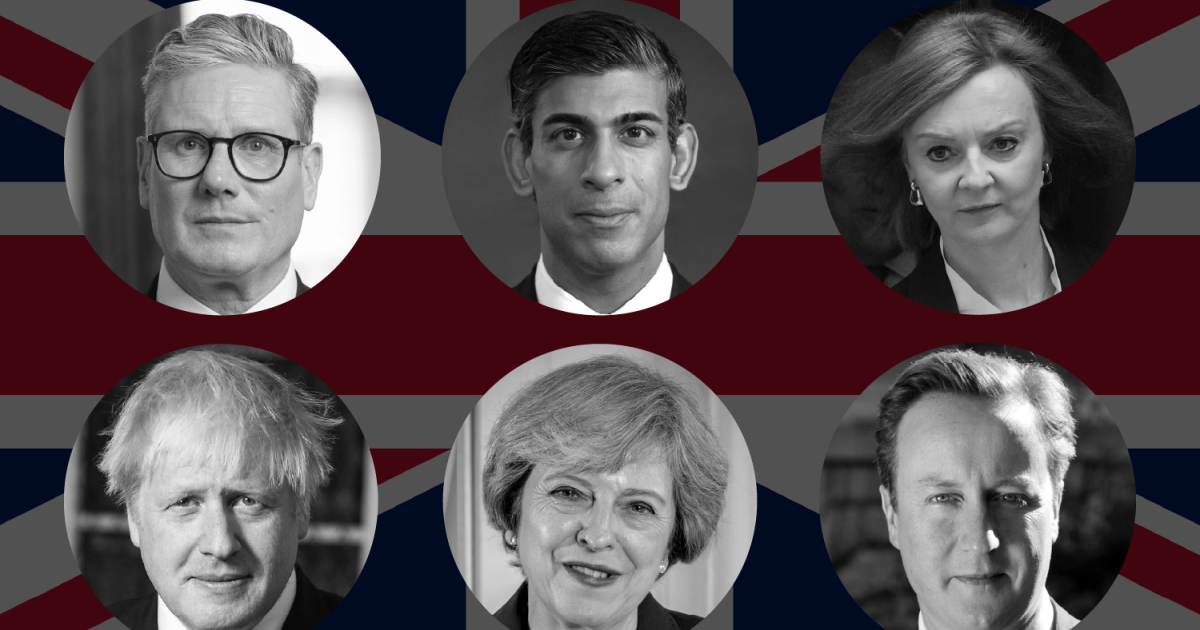
Over the past ten years, the UK has witnessed six individuals hold the position of prime minister, with Starmer's departure adding a seventh to this list. Each resignation has been prompted by distinct circumstances, illustrating the diverse challenges faced by British leaders in recent times:
- David Cameron: Stepped down in 2016 after leading the campaign to remain in the European Union and subsequently losing the Brexit referendum, a pivotal moment in modern British history.
- Theresa May: Resigned in 2019 following repeated failures to gain parliamentary approval for her proposed Brexit withdrawal agreement, highlighting the deep divisions within the country and Parliament regarding the UK's departure from the EU.
- Boris Johnson: Departed office in 2022 amidst a series of scandals and a wave of resignations from his ministerial team, which severely eroded confidence in his administration.
- Liz Truss: Her tenure was notably brief, lasting just 49 days in 2022. She resigned due to widespread market turmoil triggered by her government's controversial economic policies, making her the shortest-serving prime minister in British history.
- Rishi Sunak: Left office after the Conservative Party suffered a significant defeat in the 2024 general election, ushering in a Labour government.
- Keir Starmer: Announced his resignation on Monday, 22 June 2026, due to mounting internal party pressure following unsatisfactory local election results.
These rapid changes contrast sharply with the longer tenures of some of the UK's most enduring leaders. Robert Walpole holds the record for the longest-serving prime minister, having held office for over two decades from 1721 to 1742. More recently, Thatcher served for just over 11 years (1979-1990), and Blair for a decade (1997-2007).
The Succession Race and Future Outlook
With Starmer's resignation confirmed, the focus now shifts to the upcoming Labour leadership contest. Andy Burnham's recent by-election success has immediately positioned him as a leading contender to succeed Starmer. However, other prominent Labour figures, such as former Health Secretary Wes Streeting, are also anticipated to consider entering the race. For a candidate to be placed on the ballot, they must secure the nominations of 81 Labour Members of Parliament.
The leadership contest could unfold in one of two ways: either a full summer campaign, involving extensive debate and canvassing, or a more rapid, uncontested handover if a consensus candidate emerges through behind-the-scenes negotiations. The outcome will not only determine the next leader of the Labour Party but also the individual who will assume the critical role of Prime Minister, tasked with navigating the complex domestic and international challenges facing the United Kingdom. The nation watches keenly as this new chapter in its political narrative begins to unfold.
Source: Original Article
Related Articles
 politics
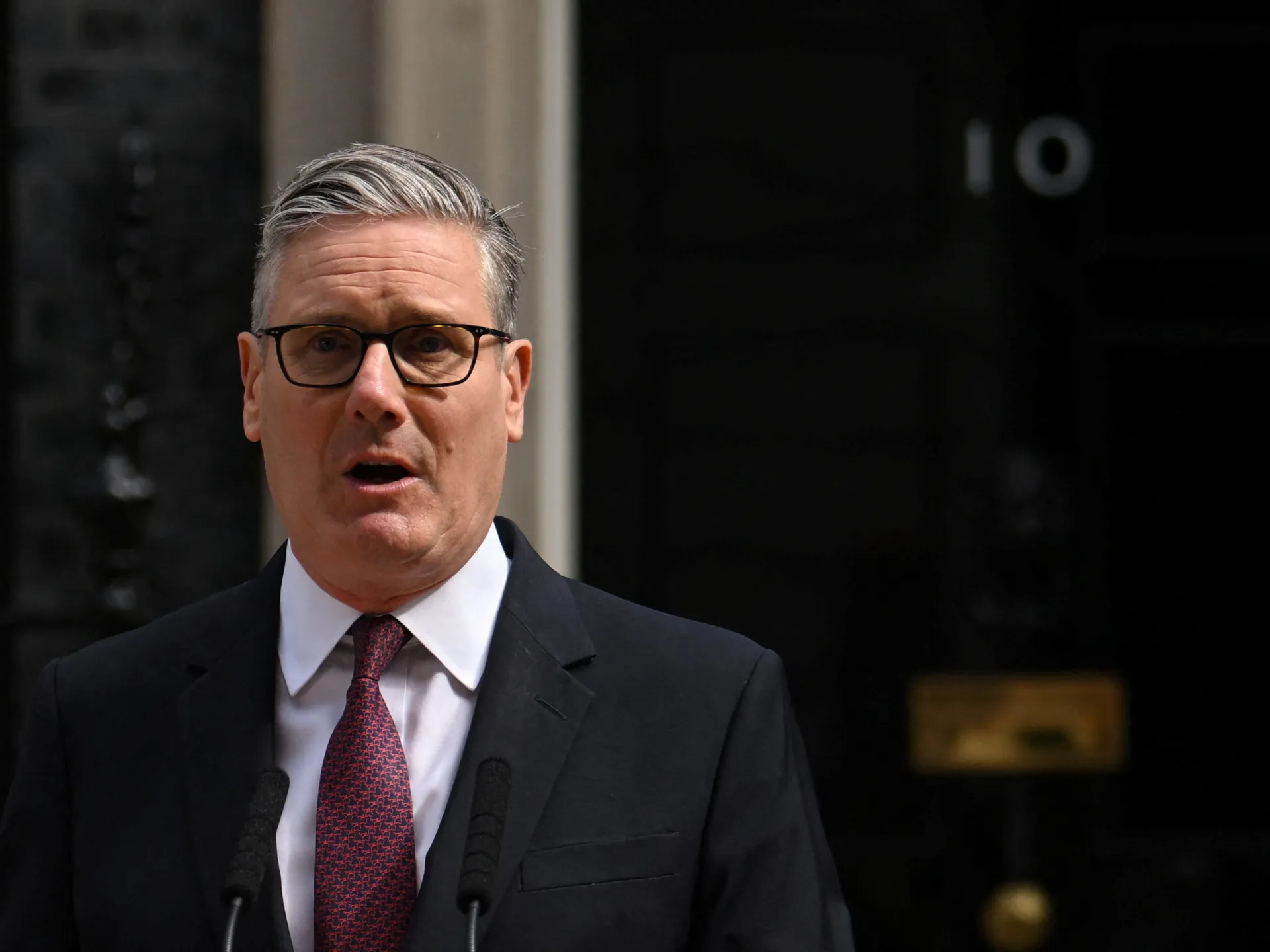
UK Prime Minister Keir Starmer Announces Resignation Amidst Party Pressure
 politics
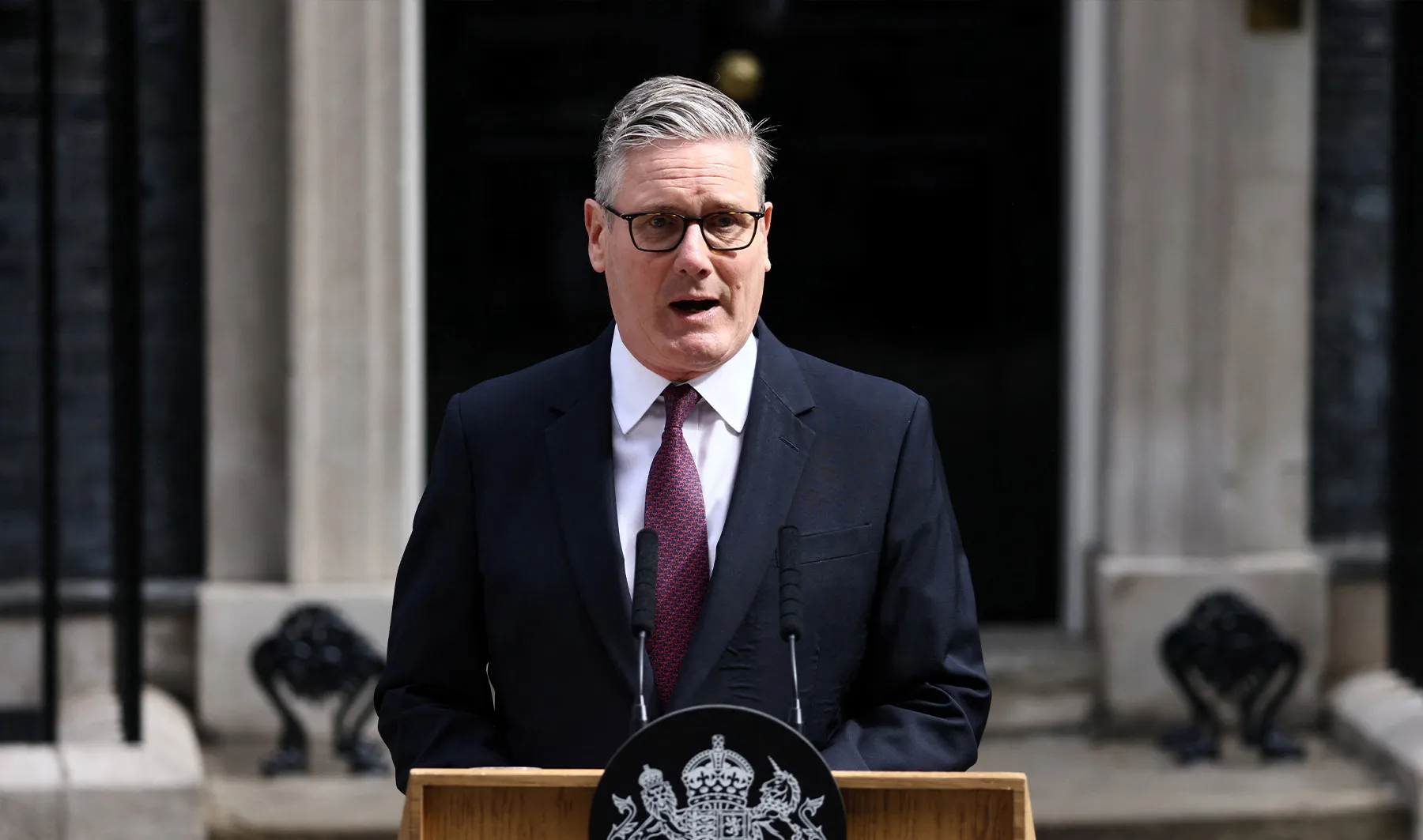
Keir Starmer Declares Intent to Resign as UK Prime Minister Amidst Leadership Speculation
 politics
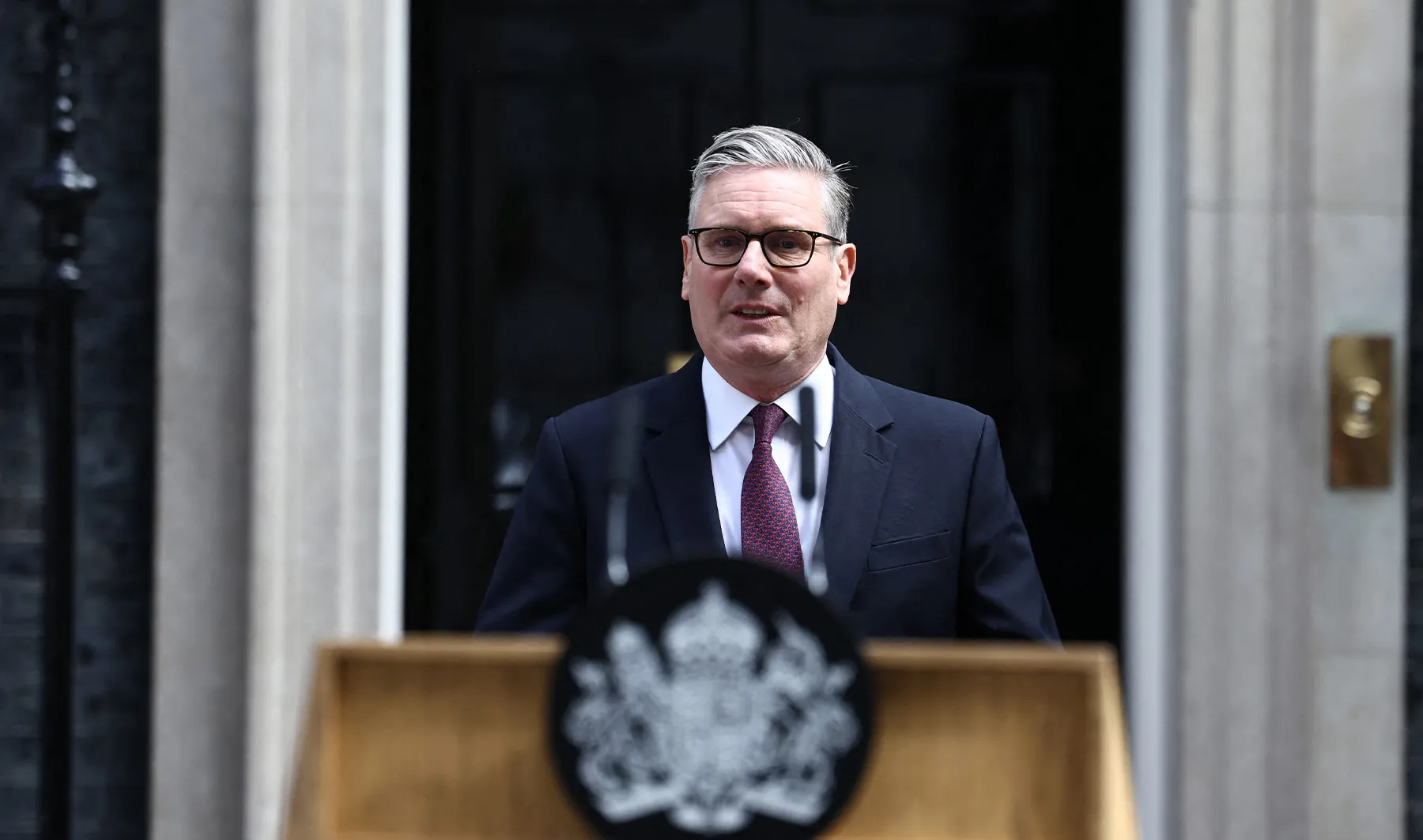
Keir Starmer Announces Resignation as UK Prime Minister
 politics