
Keir Starmer to Resign as UK Prime Minister
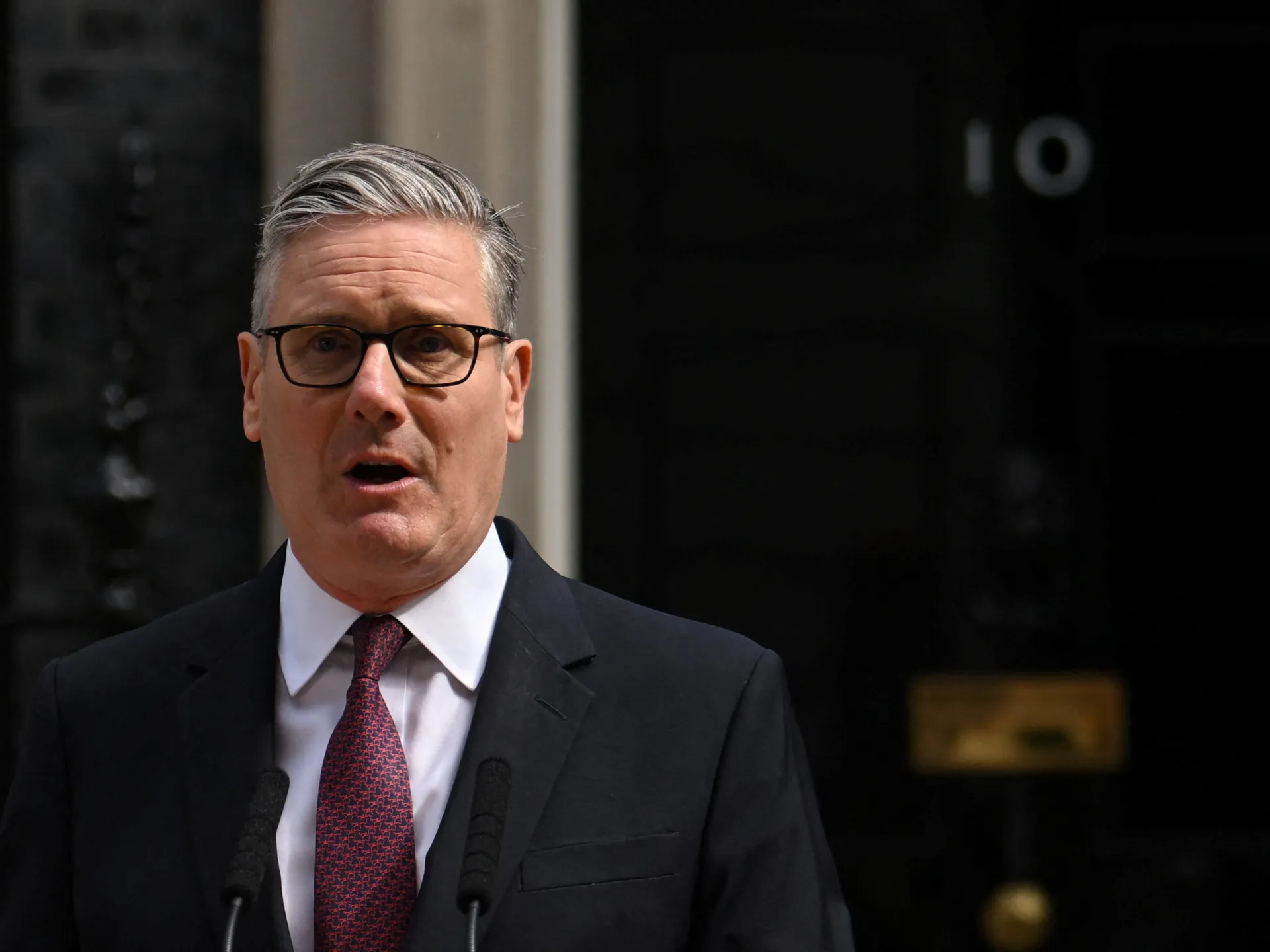
Keir Starmer, the Prime Minister of the United Kingdom, has declared his intention to resign from his position, effective by the time Parliament reconvenes in September. The announcement comes after a period of escalating calls from members of his own Labour Party for a clear succession plan. Starmer, who led the Labour Party to a significant general election victory less than two years ago, faced growing scrutiny regarding his leadership.
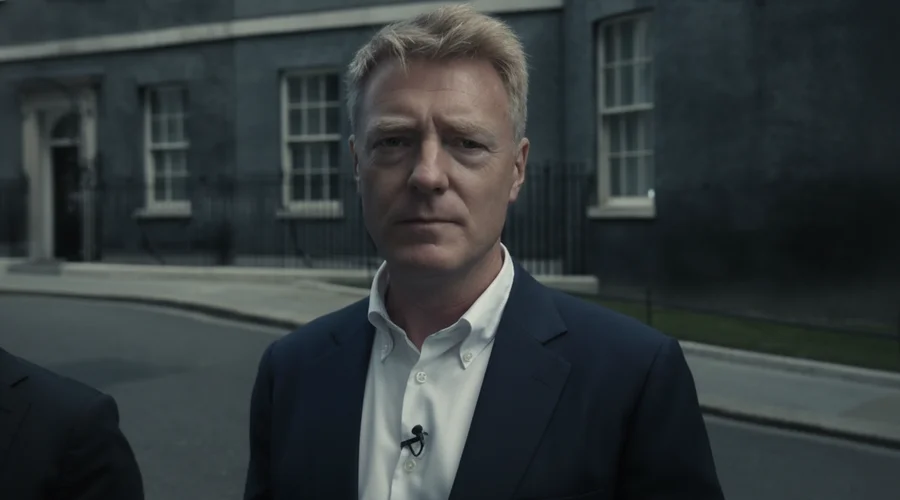
Speaking outside 10 Downing Street in London, Starmer addressed reporters, stating, "The question my party is asking now is whether I am best placed to lead us into the next general election. I have heard the answer from my parliamentary party to that question and I accept that answer with good grace." His departure will initiate a leadership contest among Labour Members of Parliament, marking the seventh time Britain will see a change in prime minister in just over a decade.
The Road to Resignation: Mounting Pressure and By-Election Results
The pressure on Starmer intensified significantly following a recent by-election in North West England, where his main rival, Andy Burnham, secured a decisive victory for a parliamentary seat. This win was widely seen as a catalyst for the renewed calls for Starmer's resignation.
Andy Burnham, a 56-year-old veteran politician, promptly indicated his intention to run in any forthcoming leadership contest via a post on social media. His candidacy has already garnered support, notably from former Health Minister Wes Streeting, who had previously been considered a potential contender for the top position.
Starmer has formally requested Labour's National Executive Committee to outline the procedure for electing his successor, with nominations scheduled to commence on July 9.
Defending His Record and Looking Ahead
In his brief statement, Prime Minister Starmer began by defending his government's accomplishments since taking office. He highlighted what he described as Labour's successes across various sectors, including the economy, wage growth, investment, infrastructure development, the National Health Service (NHS), and workers' rights.
He emphasized, "An economy that is stronger, going faster than our peers, wages rising, faster than inflation in every single month since we came to power. Investment secured, infrastructure being built, an end to austerity with the fastest fall in NHS waiting lists for 17 years, the biggest improvement in rights for workers and renters in a generation."
Reactions within the Labour Party to Starmer's decision have been mixed. Labour MP Afzal Khan welcomed the resignation, telling Al Jazeera that Starmer could depart with a "proud legacy." Home Secretary Shabana Mahmood also praised Starmer for revitalizing the Labour Party, bringing it "from the brink, back to power." However, former Labour leader Jeremy Corbyn offered a critical assessment of Starmer's tenure, asserting that Starmer "could have ended child poverty, homelessness and the grotesque levels of inequality in this country. Instead, he abandoned those in need, destroyed our civil liberties and facilitated genocide in Gaza."
Emotional Farewell and Caretaker Role
Al Jazeera's Jonah Hull, reporting from London, observed Starmer's deep emotion during his statement. Hull noted, "Starmer spoke of his family, he spoke of his wife, Vic, he spoke of moving on from this job to the more important one of being with his family, his voice very audibly breaking. He was clearly deeply emotional." Hull also highlighted Starmer's previous insistence on remaining in his role despite mounting pressure.
Despite his resignation announcement, Starmer has indicated that he will remain in a caretaker capacity for the duration of the leadership contest. This decision contrasts with the possibility of handing over power to his deputy, David Lammy. Hull explained that Starmer "has indicated very firmly that he will remain in place for the duration of any contest to succeed him," and pledged his "full and absolute backing" to his eventual successor.
Andy Burnham, whose recent by-election victory in Makerfield paved the way for his challenge, is expected to be sworn in as a new MP. His win provided hope to many Labour lawmakers that his strong communication skills could rejuvenate the party, which has experienced a decline in support under Starmer's leadership.
Starmer's leadership, which began with the Labour Party securing its largest parliamentary majority since 1997 after 14 years of Conservative government, has faced increasing scrutiny. Despite this initial success, opinion polls have suggested a decline in popularity for the 63-year-old former lawyer, attributed to a series of policy missteps and various controversies.
Source: UK Prime Minister Keir Starmer announces resignation
Related Articles
 politics
Keir Starmer Declares Intent to Resign as UK Prime Minister Amidst Leadership Speculation
 politics
Keir Starmer Announces Resignation as UK Prime Minister
 politics
Keir Starmer's Short Tenure: A Look at His Premiership's Challenges and End
 politics