
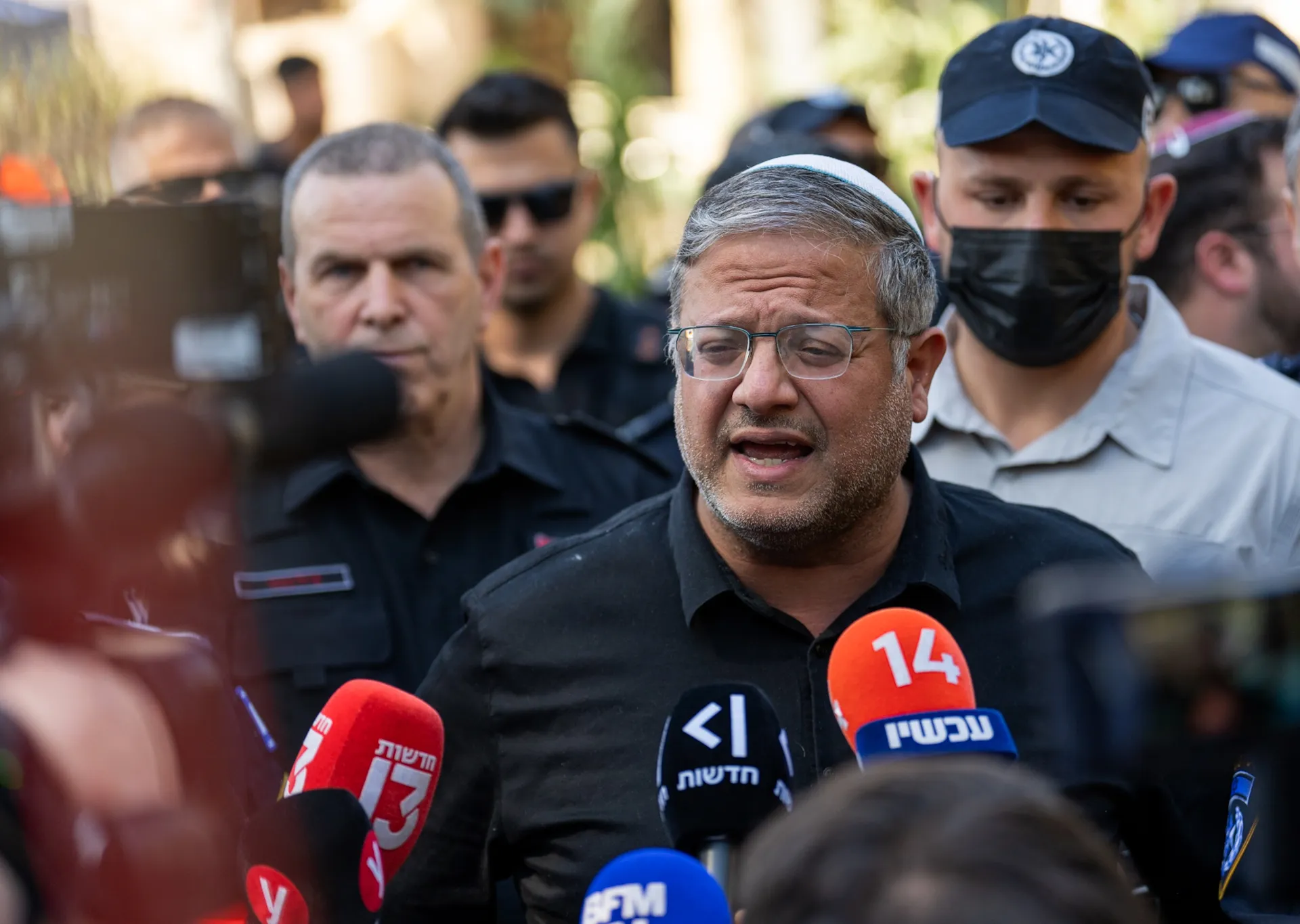
International Outcry Follows Israeli Minister's Statement
British Foreign Secretary Yvette Cooper has publicly denounced the inflammatory remarks made by Israel's National Security Minister, Itamar Ben-Gvir, who suggested that 'all of Lebanon must burn' following an attack by Hezbollah that resulted in the deaths of four Israeli soldiers. Cooper expressed her condemnation in a post on X (formerly Twitter) on Friday, labeling Ben-Gvir's comments as 'horrendous and abhorrent'.
Ben-Gvir's provocative statement, also shared on X, included the assertion: 'For every tear of an Israeli mother, a thousand Lebanese mothers must weep. All of Lebanon must burn! With all due respect to the Americans, Israel must make it clear to the entire world that the blood of our sons and the security of our citizens are not forfeit.' He further advocated against any territorial withdrawal by Israel and rejected the peace agreement between the United States and Iran, emphasizing that 'Israel is not subordinate to the United States.' The minister concluded his post by calling for Lebanon to be 'obliterated'.
Regional Reactions and Diplomatic Tensions
The remarks swiftly drew international criticism. Iranian Foreign Minister Abbas Araghchi responded to Ben-Gvir's comments, highlighting their significance beyond a mere outburst. Araghchi stated on X that the remarks were 'not a rant by a random genocidal lunatic' but rather 'a public post by the national security minister of the Israeli regime.' He further characterized the 'genocidal death cult headquartered in Tel Aviv' as 'a threat to all of humanity,' asserting that 'Its only interest is permanent war.'
These statements emerge amidst an already fragile security situation in the region. The broader context includes ongoing hostilities and a delicate ceasefire between Israel and Hezbollah, which has been frequently tested. The rhetoric from high-ranking Israeli officials has the potential to further destabilize an already volatile environment, raising concerns among international observers about the prospects for de-escalation and peace.
Further Statements from Israeli Officials
Other Israeli officials have also made declarations that contribute to the escalating tensions. On the same Friday, Israeli Defence Minister Israel Katz stated that approximately 200,000 residents displaced from southern Lebanon would not be permitted to return to their homes. 'The 200,000 residents living in the security zone will not return,' he affirmed, adding, 'None of them will return.'
Additionally, Finance Minister Bezalel Smotrich echoed harsh sentiments, advocating for 'opening the gates of hell' in Lebanon. This phrasing mirrors language he previously employed in March 2025 in reference to the Gaza Strip, indicating a consistent hardline stance within certain segments of the Israeli government.
Humanitarian Impact of Ongoing Conflict
The conflict between Israel and Hezbollah, which commenced with Israel’s offensive on March 2, 2026, has had severe humanitarian consequences. According to Lebanese authorities, the ongoing hostilities have led to the displacement of more than 1.2 million people within Lebanon. Furthermore, the conflict has resulted in over 1,200 fatalities in the country, underscoring the profound human cost of the sustained violence and political rhetoric.
The international community continues to monitor the situation closely, with calls for restraint and adherence to international law. The diplomatic fallout from these statements highlights the complexities of the Israeli-Lebanese conflict and the urgent need for de-escalation efforts to prevent further suffering and regional instability.
Source: Original Article
Related Articles
 world
world
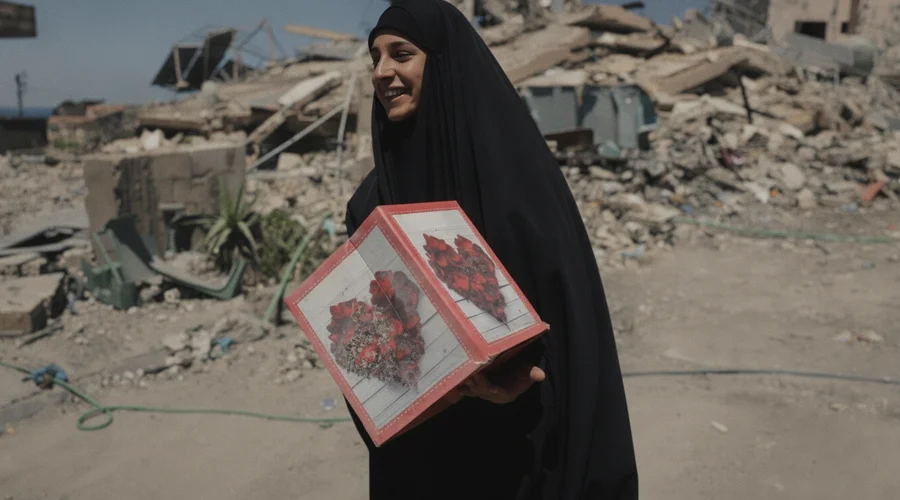
Global Displacement Sees First Decline in a Decade: What Led to Millions Returning Home?
 world
world
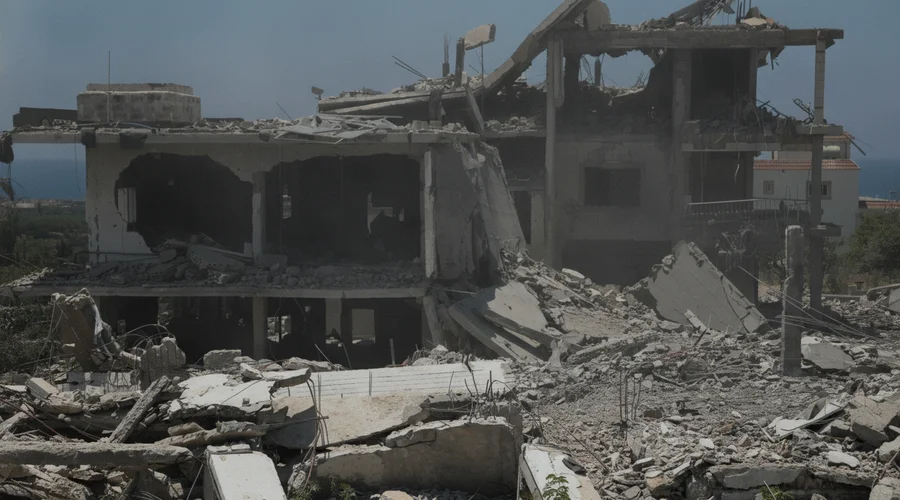
Iran Urges US to Ensure Israeli Compliance with Lebanon Ceasefire Amid Regional Tensions
 world
world
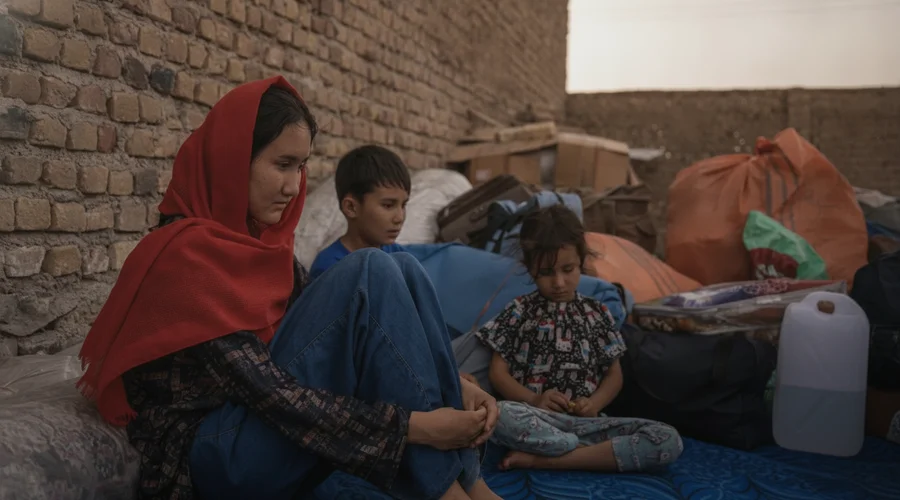
The Long Road Home: Examining the Surge in Refugee Returns Amidst Lingering Challenges
 world
world