
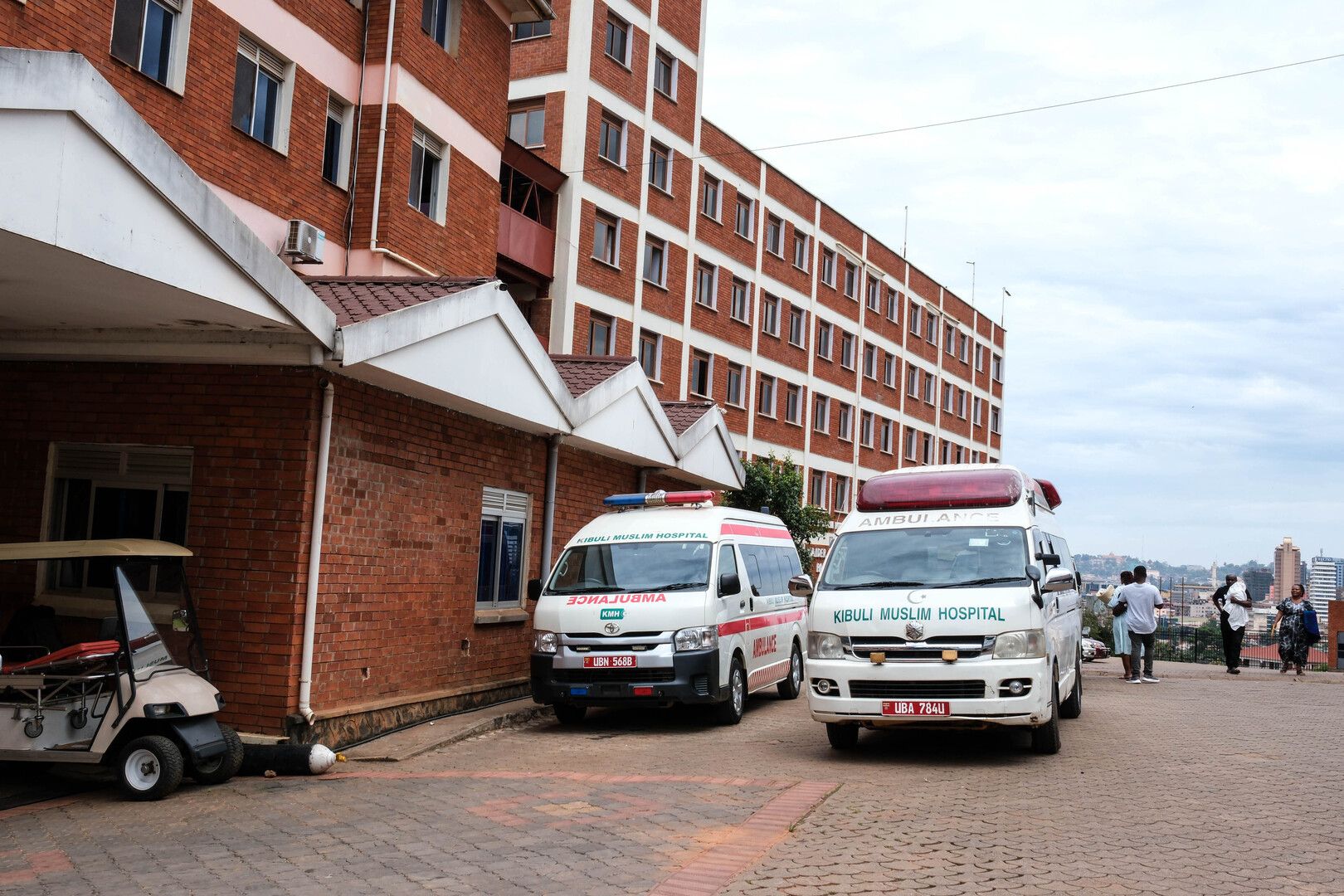
Uganda's Proactive Stance Against Ebola
In a significant public health initiative, Uganda has announced the closure of its border with the Democratic Republic of Congo (DRC). This temporary measure, set to last for four weeks, is a direct response to the ongoing Ebola outbreak in the DRC, signaling Uganda's commitment to safeguarding its population from the infectious disease.
Rationale Behind the Border Closure
The decision to seal off the border underscores the severe risk posed by the Ebola virus, which has a high fatality rate and can spread rapidly through contact with infected bodily fluids. Health authorities in Uganda are prioritizing preventative measures, understanding that limiting cross-border movement is a critical step in preventing the importation of cases.
Ebola outbreaks in the DRC have historically presented challenges for neighboring countries, given the porous nature of some border regions and the constant flow of people for trade, family visits, and other reasons. By implementing a formal closure, Ugandan officials aim to create a controlled environment where potential cases can be more effectively identified, isolated, and managed.
Previous Responses to Ebola Threats
Uganda has a history of responding robustly to Ebola threats, having experienced outbreaks within its own borders in the past. These experiences have equipped the nation with valuable knowledge and protocols for disease surveillance, rapid response, and community engagement. The current border closure reflects a learned strategy, drawing on past successes and challenges in containing such epidemics.
Past responses have often included enhanced screening at official border points, public health campaigns to raise awareness, and the establishment of isolation and treatment centers. While these measures remain crucial, a full border closure indicates a heightened level of concern and a more aggressive containment strategy.
Impacts of the Closure
While essential for public health, border closures inevitably carry economic and social implications. Trade between Uganda and the DRC, which is significant for many communities along the border, will be disrupted. Individuals with family ties across the border will also face challenges in maintaining contact. Humanitarian organizations may also need to adjust their operations to comply with the new restrictions.
However, health officials emphasize that these short-term disruptions are necessary to avert a potentially much larger crisis if Ebola were to gain a foothold within Uganda. The focus remains on the long-term health and safety of the population.
International Cooperation and Regional Efforts
The situation highlights the importance of regional cooperation in combating cross-border health crises. While Uganda has taken a unilateral step in closing its border, such actions are often part of a broader strategy that may involve communication and coordination with international bodies like the World Health Organization (WHO) and other regional health organizations. These bodies often provide guidance, resources, and support to countries affected by or at risk of Ebola outbreaks.
The international community will likely monitor the situation closely, offering assistance to both Uganda and the DRC in their efforts to contain and ultimately eradicate the current outbreak.
Looking Ahead
The four-week period will be crucial for monitoring the situation in the DRC and assessing the effectiveness of the border closure. During this time, Ugandan health authorities will likely intensify surveillance within their own country, particularly in border districts, to detect any potential imported cases early. The success of this containment strategy will depend on strict enforcement of the closure and continued vigilance by public health professionals.
Source: Al Jazeera
Related Articles
 health
Malaria Cases Escalate in Zimbabwe Amid Aid Reductions and Climate Shifts
 health
Nations Implement Varied Measures Amidst Rare Ebola Strain Concerns
 health
Ebola Concerns Lead to Isolation and Economic Strain in DRC's Bunia
 health