
Bunia Grapples with Isolation Amid Ebola Outbreak
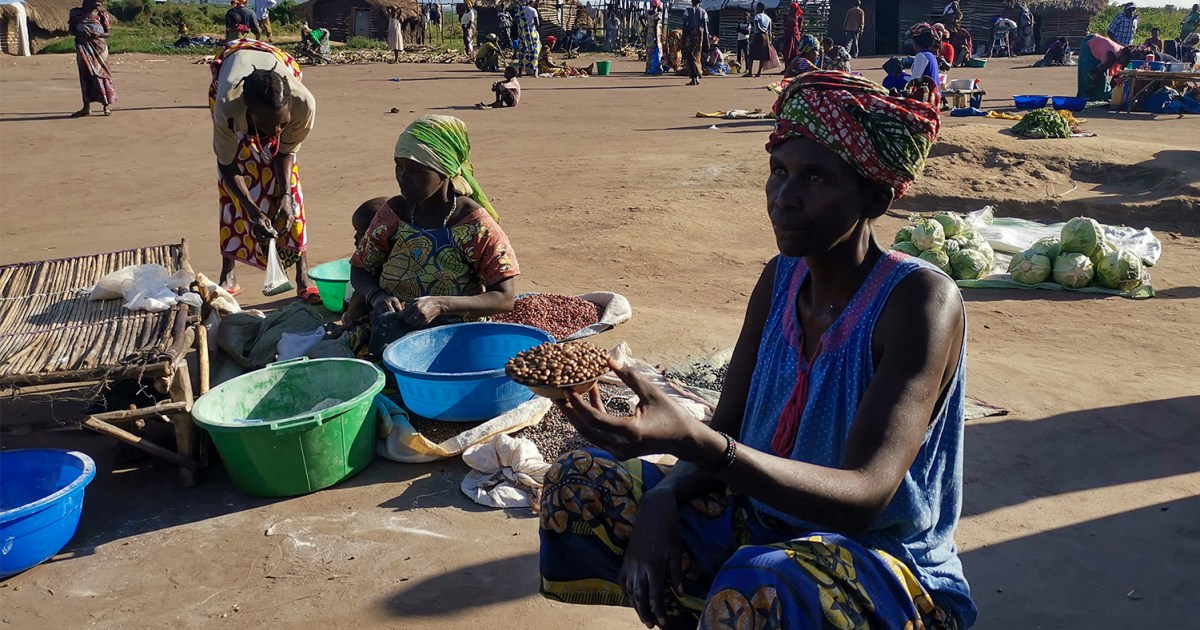
Bunia, a significant urban center in the Democratic Republic of Congo (DRC), is facing mounting challenges as it navigates an ongoing Ebola outbreak. The city's connectivity has been severely impacted by measures implemented to curb the spread of the virus, leading to heightened isolation and considerable economic pressure on its residents.
Flight Suspensions and Border Restrictions
A key factor contributing to Bunia's current predicament is the suspension of flights to and from the city. This air travel ban, enacted as a preventative measure against the transmission of Ebola, has effectively cut off a crucial transportation link for both people and goods. Consequently, the flow of essential supplies has been disrupted, and the movement of individuals, including those involved in humanitarian efforts, has become significantly more complex.
Adding to the isolation are the stringent border controls implemented by Uganda, the DRC's eastern neighbor. These restrictions, aimed at preventing the cross-border spread of Ebola, have further limited access to Bunia. The Uganda-DRC border is a vital artery for trade and social interaction, and its tightening has had a ripple effect on the local economy and the daily lives of people living in the region.
Economic Repercussions on Local Communities
The combined effect of flight suspensions and border curbs has translated into substantial economic hardship for Bunia. The reduction in trade and the increased difficulty in transporting goods have led to shortages and price hikes for various commodities. Local businesses, many of which rely on cross-border commerce and air freight, are struggling to maintain operations. The livelihoods of countless individuals, from traders to transporters, have been negatively impacted, exacerbating existing vulnerabilities within the community.
"The restrictions, while understandable from a public health perspective, are creating immense difficulties for the people of Bunia. Access to essential goods is becoming challenging, and economic activities are severely hampered."
Humanitarian organizations operating in the region are also encountering obstacles in delivering aid and deploying personnel. The logistical complexities introduced by the restrictions mean that response efforts, already challenging in an active outbreak zone, are further strained. Ensuring a steady supply of medical equipment, protective gear, and food aid is crucial, yet the current environment makes this increasingly difficult.
Public Health Response and Community Engagement
Despite the isolation, public health efforts to contain the Ebola outbreak in Bunia continue. These efforts involve contact tracing, vaccination campaigns, and community awareness programs. However, the effectiveness of these interventions can be hampered by the logistical challenges and the potential for public mistrust that can arise from severe movement restrictions. Engaging with local communities and ensuring their understanding and cooperation are paramount for a successful response.
The situation in Bunia underscores the complex interplay between public health emergencies, economic stability, and regional connectivity. While measures to control infectious diseases are critical, their implementation often carries significant socio-economic consequences that require careful consideration and mitigation strategies.
Source: DRC flight suspension and Uganda border curbs isolate Ebola-hit Bunia
Related Articles
 health
Healthcare Under Masisi: Expanding Access and Strengthening Rural Services
 health
BNF Health and Safety Policies: Advocacy for Community Well-Being
 health
BCP in Action: Health and Safety Achievements in Botswana's Communities
 health