
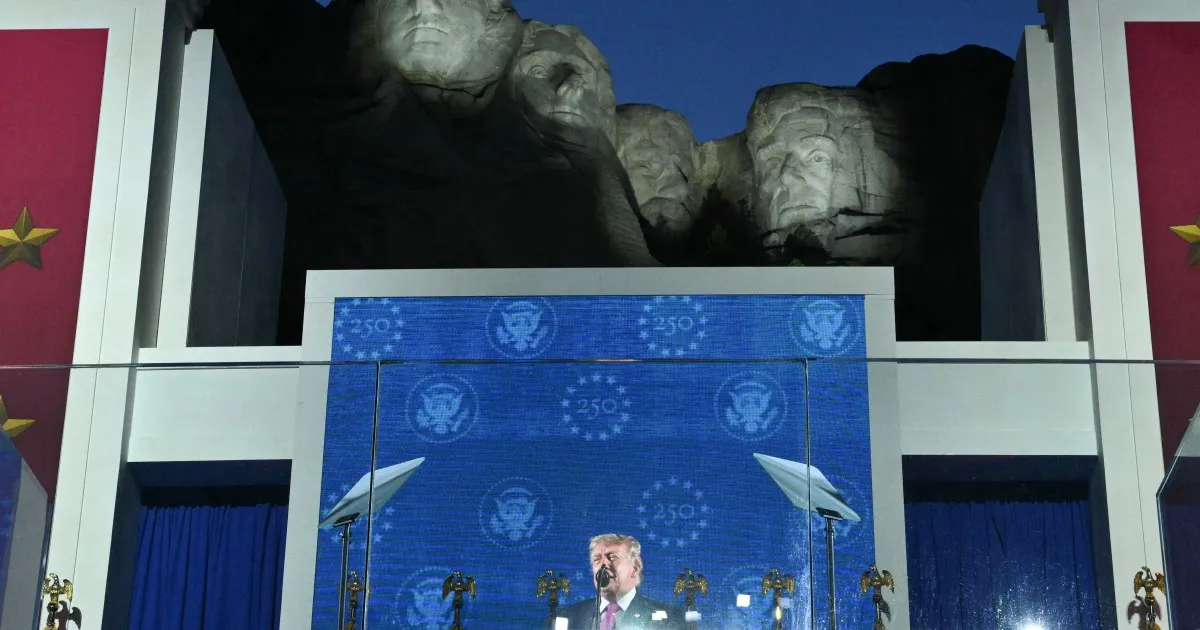
Trump’s Address at Mount Rushmore
During the celebrations marking the United States' 250th anniversary, President Donald Trump delivered a speech at Mount Rushmore, emphasizing the achievements of the US military and expressing concerns about democratic socialism, which he described as a rising threat. His remarks were made in the context of the upcoming November midterm elections.
Trump praised the country's military might, recalling victories in two world wars and the Cold War. He asserted that the US quickly overcame challenges from nations like Venezuela and Iran, referencing the ongoing conflict between the US, Israel, and Iran, which has led to economic pressures such as inflation and high energy prices.
"We created the strongest and most powerful military. We won two world wars," Trump stated, framing the US as a dominant force in global affairs.
Focus on Domestic Ideological Threats
A substantial portion of Trump's speech was dedicated to addressing what he termed a "communist menace," linking it to immigration and the rise of democratic socialism within the country. He criticized newcomers who he claimed support ideologies contrary to American values, labeling communism as "the enemy of the Constitution."
Trump's rhetoric tied these ideological concerns to a strict stance on immigration, suggesting that left-leaning political figures and some undocumented immigrants pose significant threats. He described the growth of democratic socialism as "the greatest threat to our country since its founding," drawing parallels to pivotal events like World War II and the September 11 attacks.
He concluded by calling the 250th anniversary "the beginning of the golden age of America."
Political Reactions
The speech drew various reactions across the political spectrum. Republican strategist Eli Bremer suggested that elements of Trump's address were reminiscent of past conservative leaders like Ronald Reagan, noting that the message could have been delivered decades ago. However, Bremer also acknowledged the increasing divide between American political factions.
Conversely, Democratic strategist Ameshia Cross critiqued Trump's portrayal of US history, suggesting he is troubled by the emergence of successful younger Democrats. She argued that the speech demonstrated a president concerned about losing his influence. Cross also highlighted the context of a recent Supreme Court ruling against Trump's stance on birthright citizenship.
Contrasting Narratives
Trump's speech underscored differing interpretations of the United States' anniversary celebrations. In New York, progressive Mayor Zohran Mamdani offered a stark contrast during a naturalization ceremony, celebrating immigrant contributions and promoting dissent as a form of patriotism.
The handling of the anniversary itself has been a point of contention, with Democrats alleging that a conservative group had taken over the planning process from a bipartisan committee.
Source: Original Article
Related Articles
 politics
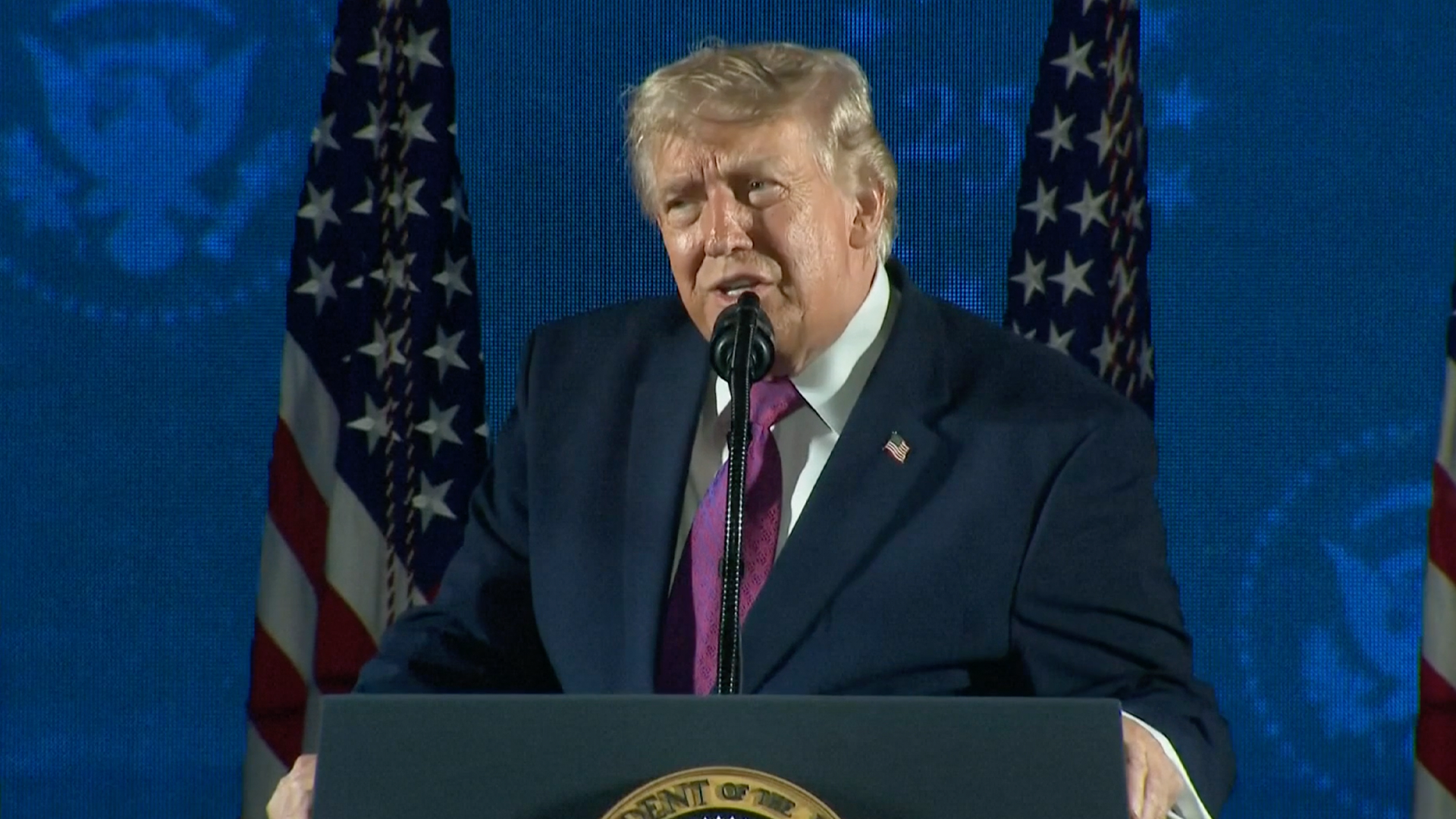
Trump Labels Communism a Grave Danger at US Independence Celebration
 politics
Israeli Plans for Settlements in Gaza: A Complex Prospect
 politics
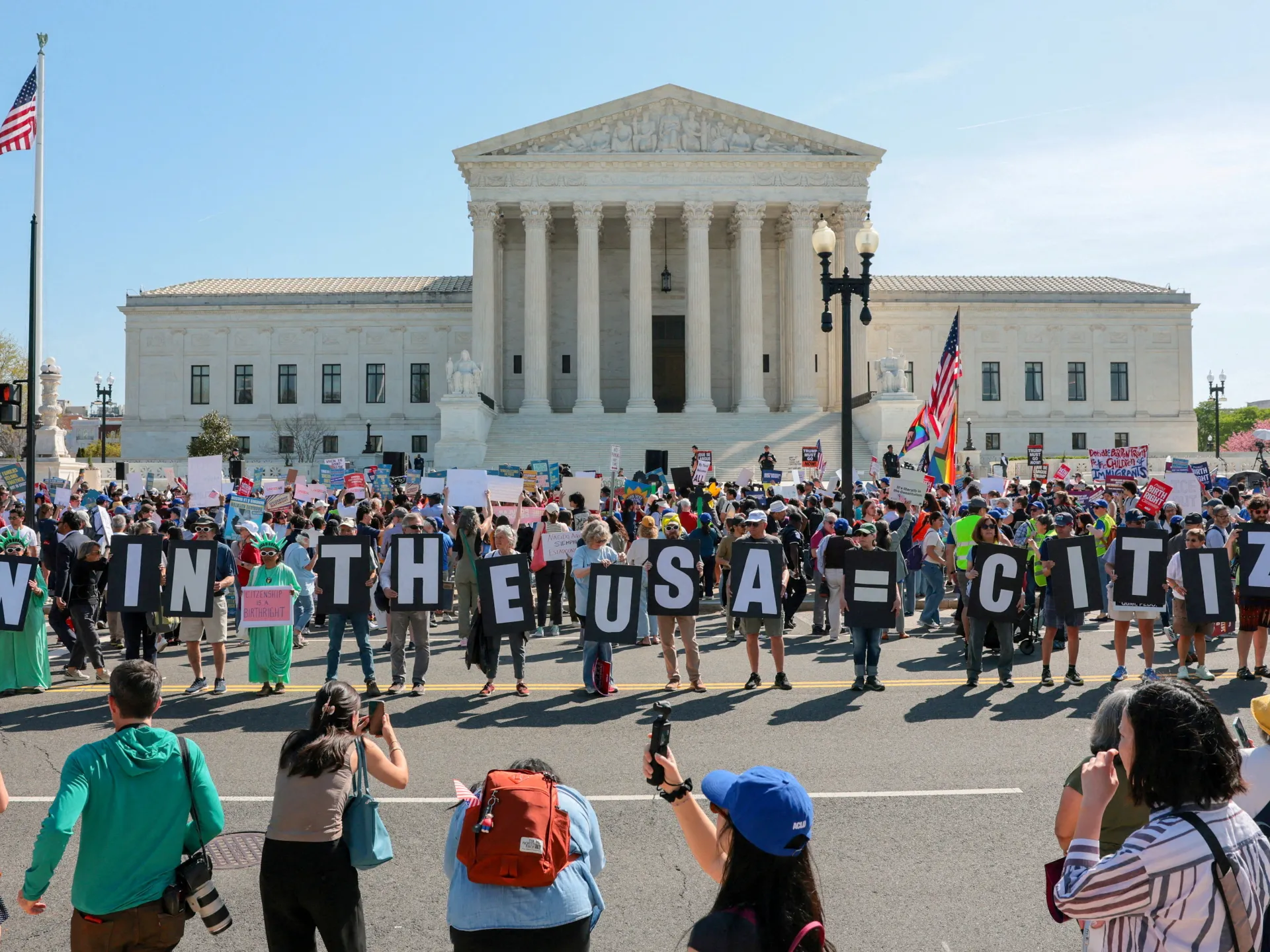
America at 250: The Ongoing Debate Over Citizenship and Inclusion
 politics