
Supreme Court Decision on Birthright Citizenship
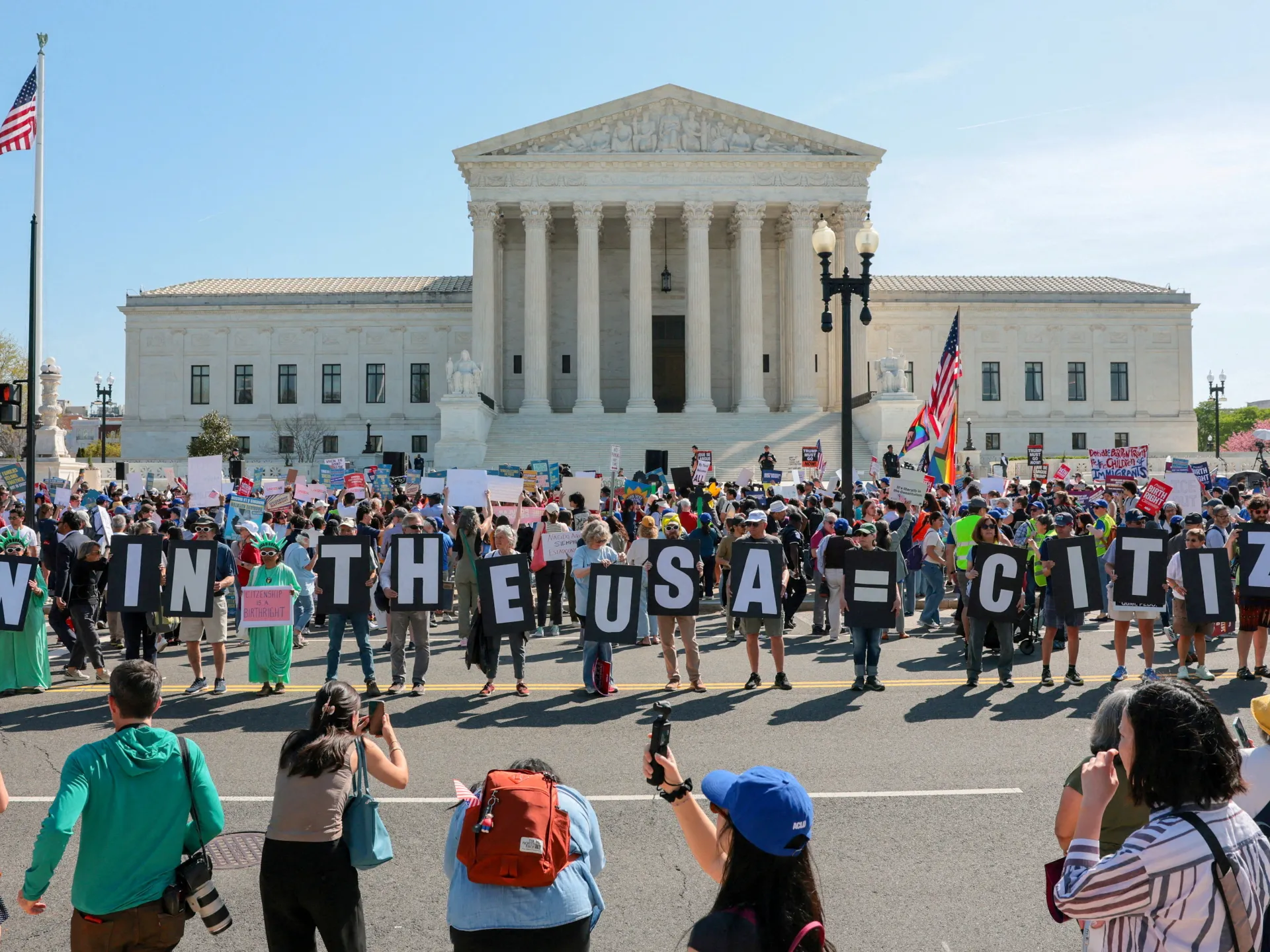
Just before the United States celebrated its 250th anniversary, the Supreme Court reaffirmed the constitutional right to citizenship for nearly everyone born on American soil. This decision was awaited with anticipation, and its announcement brought a sense of relief to many. It underscored the principle that the president cannot override the Constitution through executive orders. Consequently, the U.S. maintains its stance as an open and welcoming society in this regard, celebrated by immigration advocates nationwide.
However, the decision was met with disappointment from the administration and its supporters, who viewed the 6-3 ruling as a setback to their anti-immigration agenda. Former President Trump expressed his disapproval with a sarcastic remark congratulating China on their supposed victory in birthright citizenship.
Historical Context of Citizenship Challenges
The Supreme Court's ruling revisited the historical challenges faced by various marginalized groups in their quest for citizenship. Notably, the case of Wong Kim Ark, who was born in the U.S. to Chinese parents in the 1870s, highlighted the long-standing struggle for birthright citizenship. Wong's victory in his 1898 Supreme Court case solidified the Fourteenth Amendment's principle of jus soli, granting citizenship by right of birth.
Additionally, the infamous Dred Scott v. Sandford ruling of 1857, which denied citizenship to Black individuals, was referenced. This decision was later corrected by the Fourteenth Amendment, which was enacted post-Civil War. The Indian Citizenship Act of 1924, which extended citizenship to Indigenous peoples, was another milestone in the fight for inclusion.
Current Challenges in Immigration Policies
Despite the reaffirmation of birthright citizenship, other recent Supreme Court decisions suggest a more complex picture regarding immigration. The Court's ruling to curtail Temporary Protected Status (TPS) affects numerous individuals from countries experiencing turmoil, such as Haiti and Syria. Advocates warn that the abrupt removal of Haitians, who are significant in the healthcare sector, could negatively impact the industry.
Moreover, the Court's decision to allow the government to turn away asylum seekers at southern border ports, a policy initiated under Trump's administration, poses severe consequences. Justice Sotomayor's dissent highlighted the potential harm caused by closing doors to those fleeing persecution.
Broader Implications for Civil Rights
The current administration's efforts to revoke naturalized citizenship at an unprecedented rate, along with challenges to First Amendment rights, reflect broader issues in civil rights. The emergence of groups like the "Sharia-free Caucus," which oppose a perceived threat from Sharia law, mirrors historical anti-immigrant sentiments.
As the nation commemorates its founding, it is crucial to recognize that the U.S. remains a dynamic entity with evolving values and principles. The ongoing debate over who belongs in America is likely to continue, underscoring the need to uphold the country's foundational ideals of liberty and justice.
Source: Original Article
Related Articles
 politics
Trump Labels Communism a Grave Danger at US Independence Celebration
 politics
Israeli Plans for Settlements in Gaza: A Complex Prospect
 politics
Trump Highlights Military Strength, Warns of Communism in 250th Anniversary Speech
 politics