
Ceasefire Agreement with Iran Terminated
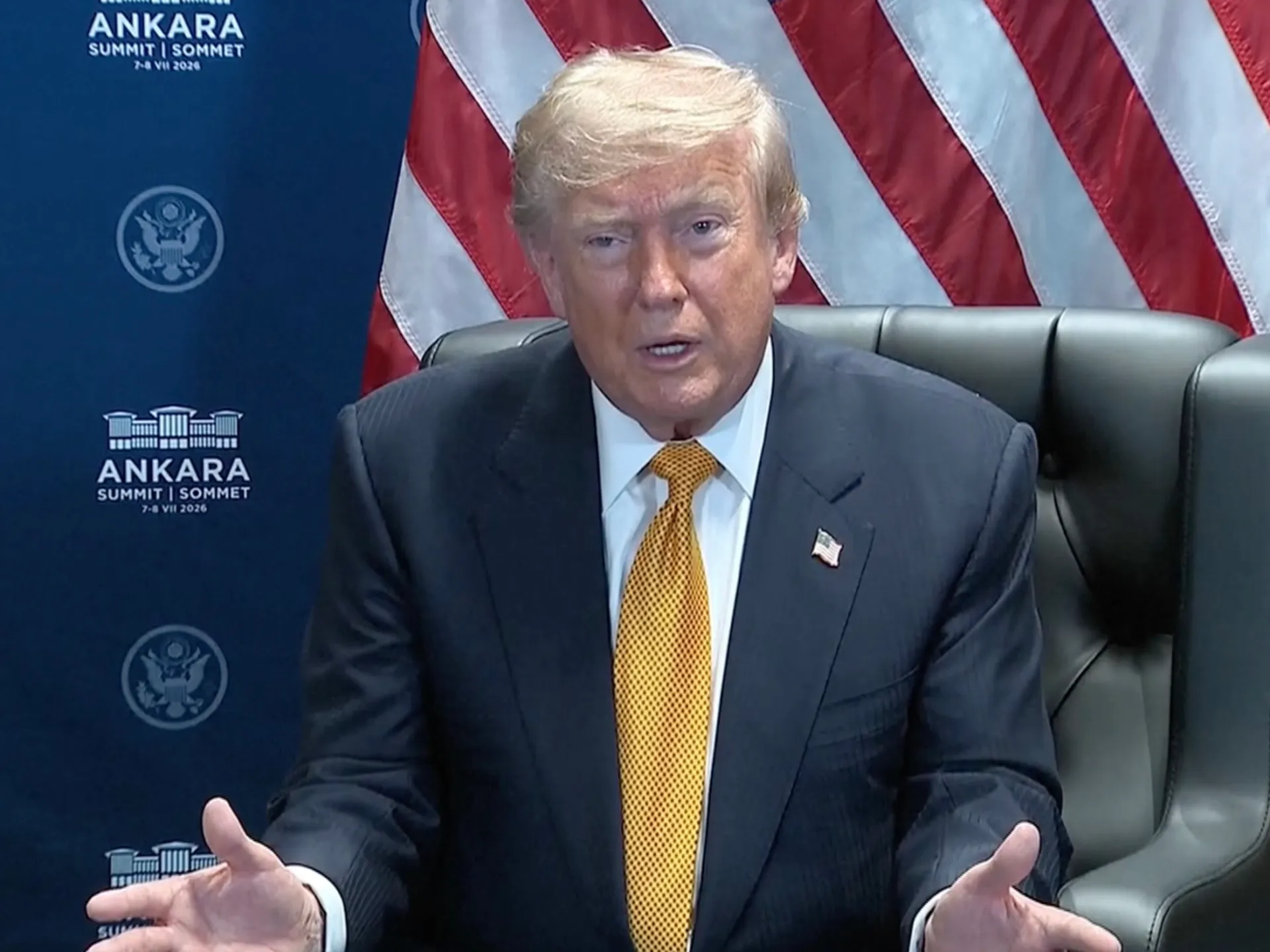
During a NATO summit in Turkiye, President Donald Trump declared that the Memorandum of Understanding (MoU) which facilitated a ceasefire between the United States and Iran has been terminated. This announcement follows military actions taken by the U.S. against Iran, despite prior commitments to pause such actions in light of Supreme Leader Ali Khamenei's funeral.
Background on the MoU
The MoU was initially established to maintain peace and prevent further escalation of hostilities between the two nations. The agreement was seen as a diplomatic effort to stabilize regional tensions and prevent conflict. However, recent developments have led to its abrupt conclusion, as stated by President Trump.
Comments from the NATO Summit
President Trump made these remarks while attending the NATO summit, emphasizing his dissatisfaction with Iran's actions. He described Iran as 'vicious' and 'violent,' justifying the U.S.'s decision to carry out airstrikes despite the temporary ceasefire agreement that had been in place.
Implications of the Termination
The end of the MoU signals a potential increase in hostilities between the U.S. and Iran. It raises concerns about the stability of the region, as both countries have a history of conflict and strained diplomatic relations. The international community is closely monitoring the situation for any developments that could further impact global security and diplomacy.
International Response
Following Trump's announcement, there has been a range of reactions from global leaders and international organizations. Some express concern over the potential for increased conflict, while others support the U.S. stance on holding Iran accountable for its actions. The situation continues to evolve as diplomatic efforts are underway to address the repercussions of the MoU's termination.
The decision to end the ceasefire agreement reflects ongoing tensions and challenges in U.S.-Iran relations, highlighting the complexities of international diplomacy in addressing security concerns.
Source: Original Article
Related Articles
 politics
UK Asylum Seekers Face Substantial Repayment Demands for State Support
 politics
French Appeals Court to Rule on Le Pen Embezzlement Case, Impacting 2027 Presidential Bid
 politics
US-Israel Relations Under Strain: A Shifting Alliance?
 politics