
An Evolving Partnership
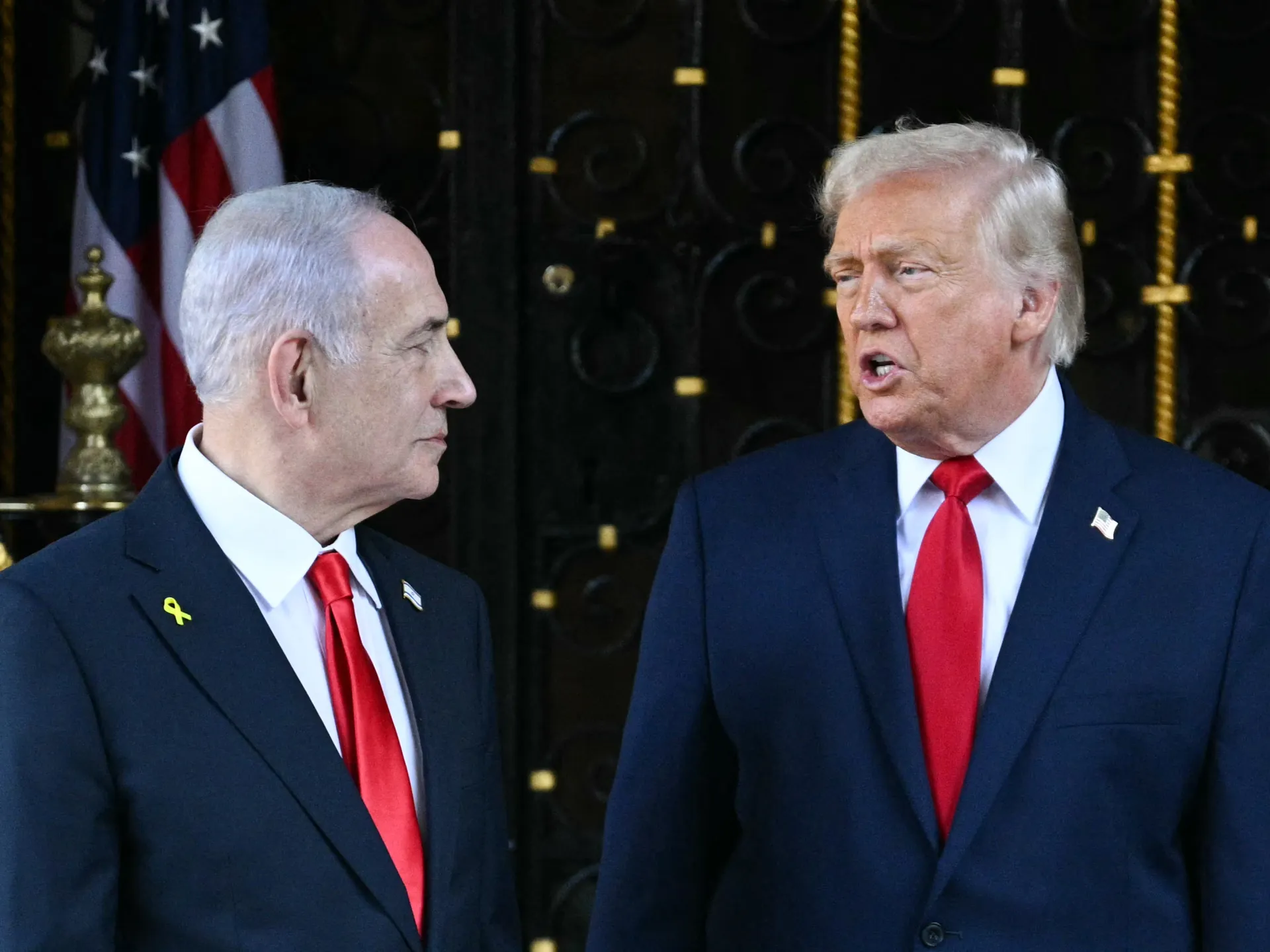
For decades, the alliance between the United States and Israel has been a cornerstone of Middle Eastern geopolitics, providing substantial military and diplomatic support to Israel since its inception in 1948. However, recent events and shifts in political landscapes suggest this relationship may be undergoing a significant transformation, prompting speculation about its future trajectory.
Israeli Prime Minister Benjamin Netanyahu currently navigates a precarious political environment, marked by ongoing corruption allegations and an impending general election. This domestic instability coincides with a period of heightened regional tension, particularly concerning the conflict in southern Lebanon, which has been subject to Israeli bombardment since 2023. These dynamics place Netanyahu in a challenging position, balancing domestic political survival with complex international demands.
Divergent Paths on Regional Issues
A key point of contention appears to be the differing approaches of Washington and Jerusalem regarding Iran. Following reports of previous frictions in June 2025, a year later, disagreements have seemingly intensified, particularly concerning negotiations for a potential peace deal. Iran has reportedly made the cessation of Israel's military actions in southern Lebanon a prerequisite for its engagement in talks with the United States. This demand creates a significant schism between US diplomatic objectives and Israeli security imperatives.
Reports of a phone call, not officially denied by the White House, allegedly reveal US President Donald Trump's frustration with Netanyahu's refusal to halt operations in Lebanon. Trump reportedly characterized Netanyahu as "crazy" and ungrateful, suggesting that his political survival was contingent on US intervention. The alleged remarks, including "Everybody hates you now. Everybody hates Israel because of this," underscore a perceived breakdown in communication and mutual understanding at the highest levels.
Further emphasizing the strained relationship, President Trump reportedly stated in an interview last week that Netanyahu "knows who the boss is," signaling an acknowledgment of the tension between the two leaders. JD Vance, during a June media conference, highlighted Trump as a solitary figure among world leaders sympathetic to Israel. He also cautioned Israeli officials critical of a potential US-Iran deal, reminding them of the substantial American financial and material contributions to Israel's defense capabilities.
Shifting Sentiments within the US
Beyond the executive branch, public and political sentiment in the United States regarding Israel also appears to be evolving. Recent polls indicate a growing skepticism towards Israel among the American populace, a trend that extends even to certain segments of Trump's 'Make America Great Again' (MAGA) movement. Prominent figures within this movement, such as Marjorie Taylor Greene, have voiced strong criticisms of US support for Israel.
Former television host Tucker Carlson, a notable voice in conservative media, recently suggested that Trump has come to view Israel as a significant challenge to his administration. Carlson alleged that Israel had "cajoled, convinced, threatened" Trump into military actions against Iran, characterizing these as a pretext for further regional conflict, specifically targeting Lebanon.
Daniel Byman, a professor at Georgetown University and a senior fellow at the Center for Strategic and International Studies (CSIS), observed that while Trump leads the traditionally pro-Israel Republican Party, he possesses considerable flexibility in his approach. Byman noted that Trump's loyal base often aligns with his policy decisions, allowing him to potentially diverge from traditional Republican stances. He also highlighted increasing criticism of Israel among Democrats, suggesting a bipartisan shift in perspectives.
The Enduring Importance of US Support
The historical significance of US diplomatic and military aid to Israel is widely acknowledged. Since 2016, Israel has received $38 billion in military assistance over a decade through a memorandum of understanding, representing the largest such agreement between the US and any other nation. This support has been crucial, particularly during recent conflicts, including the ongoing conflict in Gaza. The US has utilized its UN Security Council veto six times in support of Israel during debates on the issue, underscoring its diplomatic backing.
Domestic Israeli Perspectives
In Israel, the country's relationship with the US has become a focal point in the lead-up to the general election. Opposition figures have criticized Netanyahu's handling of foreign relations, attributing growing international isolation to his policies. Yair Lapid, former prime minister and current opposition leader, has publicly warned that a failure to replace the current government could severely damage Israel's foreign relations. Similarly, Gadi Eisenkot, a former Chief of Staff of the Israeli military and a potential contender for prime minister, has accused Netanyahu of mismanaging the US relationship to such an extent that it has prompted Trump to pursue independent negotiations with Iran, further isolating Israel.
Nimrod Flaschenberg, an Israeli political analyst, emphasized the critical role of the US, stating, "The US is everything to Israel – it provides it [with] defence, technology, diplomatic standing—everything." While acknowledging past tensions between US presidents and Israel, American author and former diplomat Aaron David Miller noted the unprecedented public nature of the current administration's criticisms. Miller highlighted that Israel's standing among both Congress and the American public, across party lines, is at an all-time low.
Despite these tensions, there are no definitive indications that the Trump administration is contemplating a complete severance of ties with Israel. Miller suggested that any significant pressure from Trump on Israel would likely be in pursuit of a major diplomatic breakthrough that would bolster his own political standing, and currently, no such breakthrough appears imminent concerning issues like Lebanon, Gaza, or Israeli-Saudi normalization.
Source: Original Article
Related Articles
 politics
Impeachment Proceedings Against Philippine Vice President Sara Duterte Commence
 politics
Trump Discusses Ukraine Conflict Resolution with Putin in Lengthy Call
 politics
Trump Labels Communism a Grave Danger at US Independence Celebration
 politics