
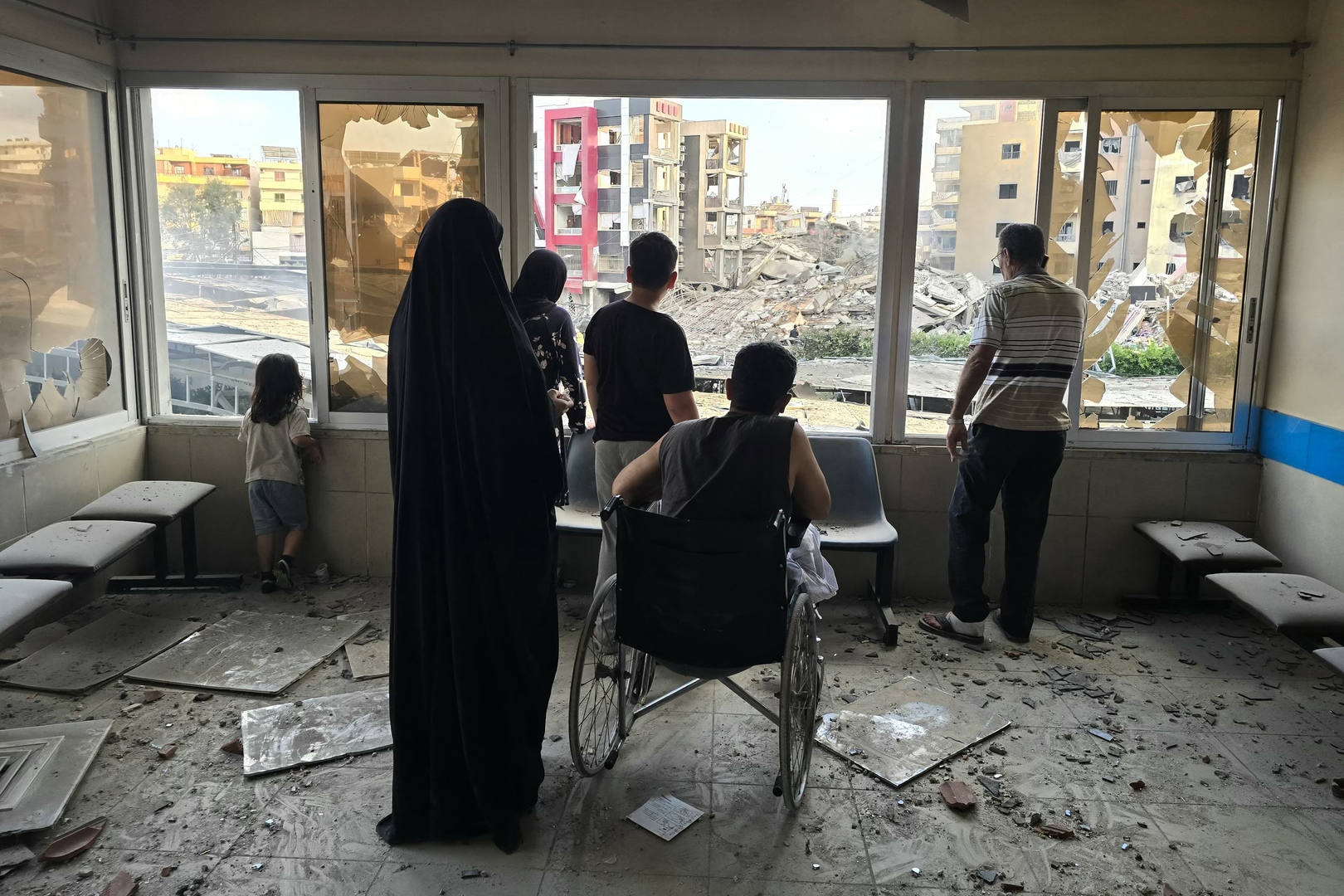
US Engages in Diplomacy Amidst Lebanon Tensions
In a recent development, United States President Donald Trump has asserted a significant diplomatic advancement following direct communication with the Israeli Prime Minister. The stated objective of these discussions was to mitigate the rising tensions and avert a potential escalation of hostilities that could impact the Lebanese capital, Beirut.
The Context of Regional Instability
The Middle East has long been a region marked by complex geopolitical dynamics and intermittent conflicts. Lebanon, in particular, often finds itself at the epicenter of these regional pressures, given its strategic location and intricate internal political landscape. Any intensification of conflict in neighboring areas or involving regional actors frequently casts a shadow over its stability.
Historically, relations between Israel and Lebanon have been fraught with periods of conflict and animosity. The border region has witnessed numerous incidents, and the presence of various armed groups within Lebanon further complicates the security situation. Therefore, any rhetoric or action suggesting a potential for heightened military engagement is met with considerable international concern.
Trump's Claim of a Breakthrough
President Trump's announcement of a 'diplomatic breakthrough' suggests that his administration believes it has made headway in convincing key parties to reconsider or halt actions that could lead to a broader conflict. While specific details of the discussions or the nature of the 'breakthrough' have not been fully disclosed, such claims typically imply a commitment from involved parties to de-escalate or engage in further dialogue.
The role of the United States as a mediator in the Middle East has been a consistent feature of its foreign policy, albeit with varying degrees of success and different approaches by successive administrations. President Trump's administration has often pursued a strategy of direct engagement with leaders in the region, seeking to broker agreements and influence regional dynamics.
"Our conversations with the Israeli Prime Minister have yielded positive results. We are working diligently to prevent any further escalation that would threaten the peace and stability of Lebanon, particularly Beirut." - President Donald Trump (paraphrased)
International Response and Future Outlook
The international community generally welcomes any efforts aimed at de-escalation and promoting peace in volatile regions. News of diplomatic engagement to prevent conflict in Lebanon would likely be met with cautious optimism by global powers and international organizations, who consistently advocate for peaceful resolutions to disputes.
However, the effectiveness and longevity of such diplomatic initiatives often depend on the sustained commitment of all parties involved, as well as the underlying geopolitical realities. The situation in Lebanon and its borders remains delicate, influenced by a multitude of internal and external factors, including the activities of non-state actors, regional power struggles, and broader international relations.
Moving forward, observers will be keen to see if President Trump's claimed breakthrough translates into a tangible reduction in tensions on the ground and if it paves the way for more sustained dialogue aimed at long-term stability in the region. The focus will be on whether any concrete steps are taken by the involved parties to ensure that the risk of escalation around Beirut is genuinely diminished.
Source: Original Article
Related Articles
 world
world
Escalating Tensions: Assessing the Impact of Recent Ceasefire Efforts in Lebanon
 world
world
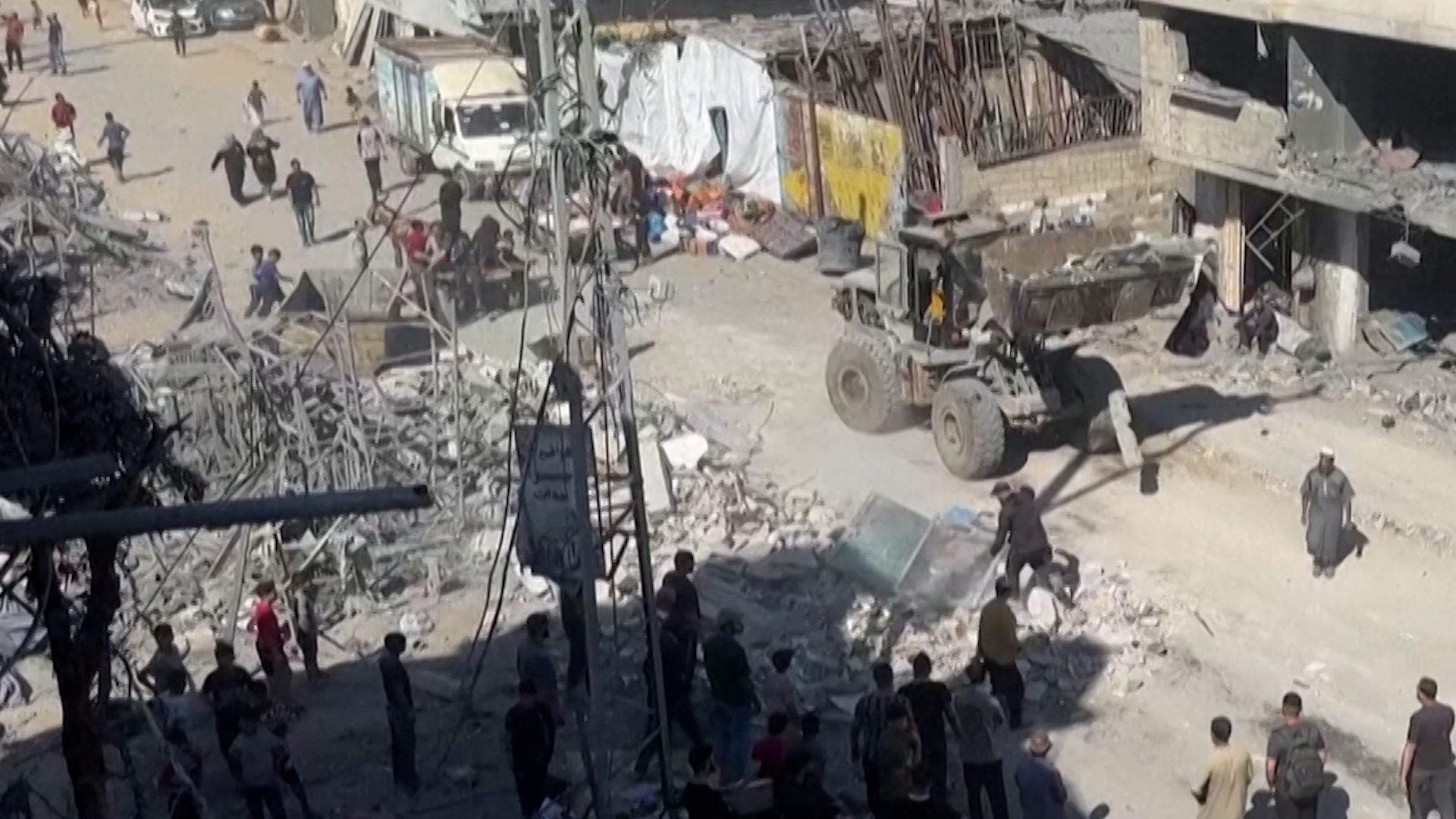
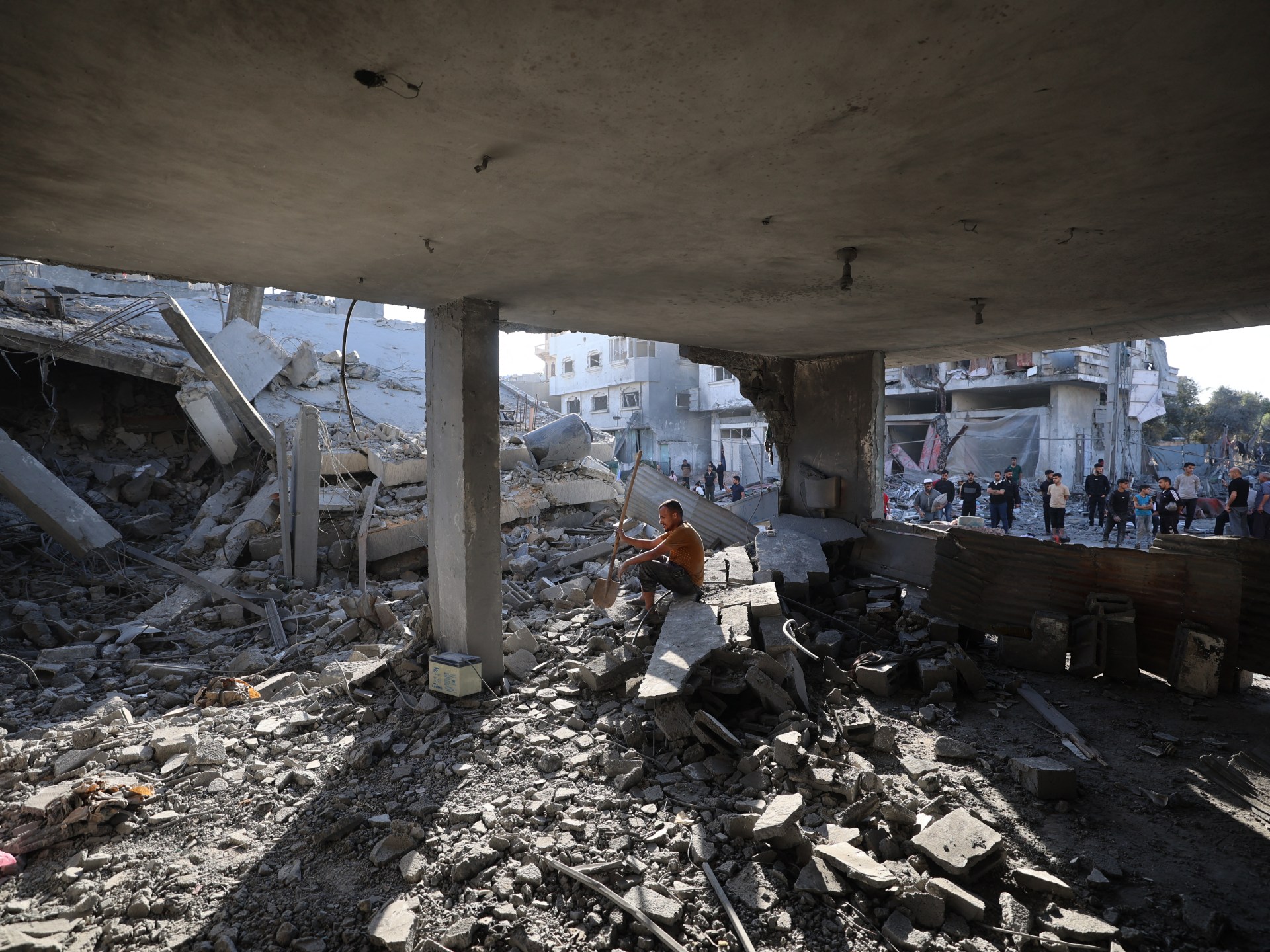
Gaza Residents Begin Cleanup Following Overnight Israeli Strikes
 world
world
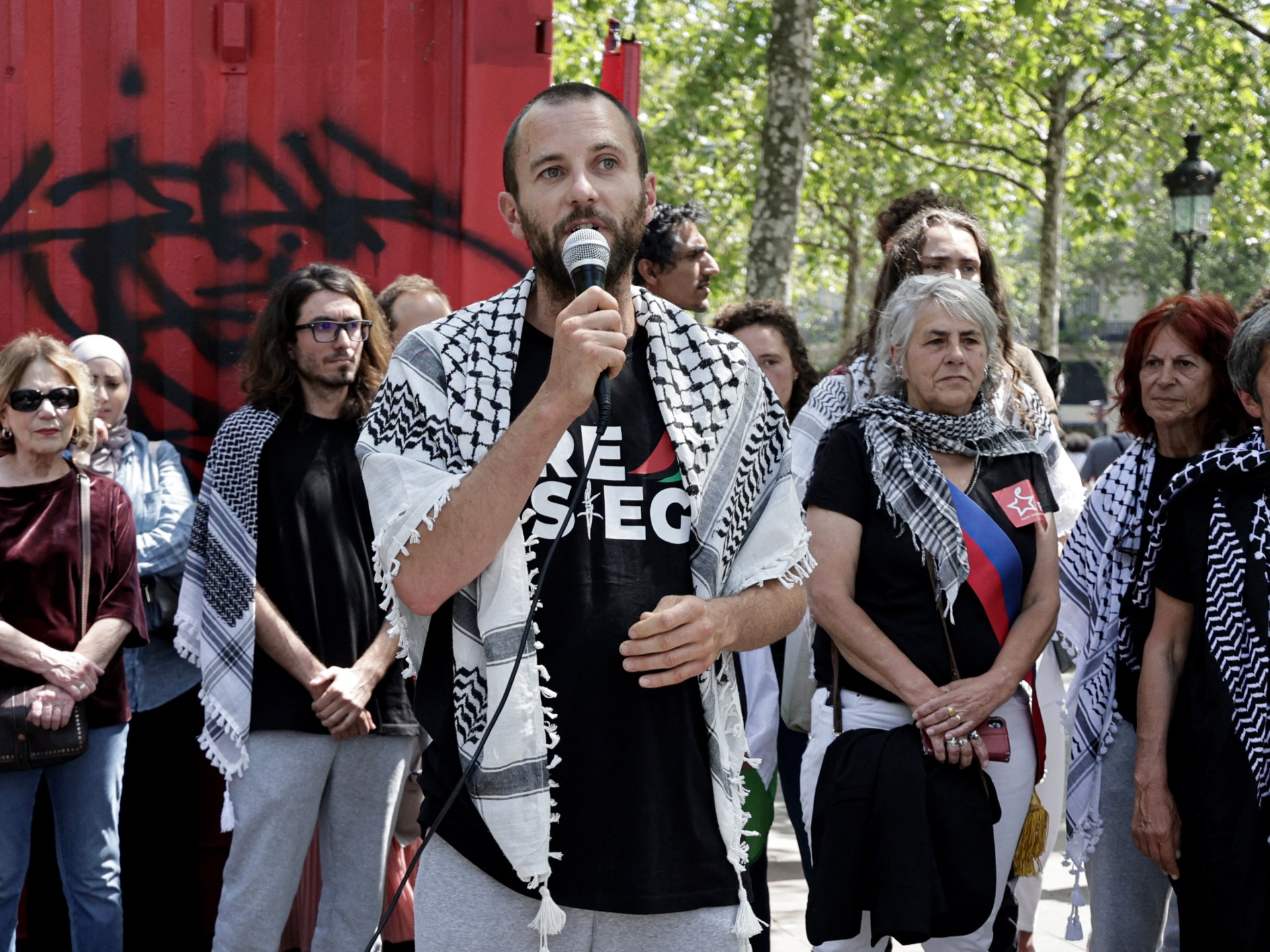
France Initiates Investigation into Allegations of Mistreatment of Gaza Aid Flotilla Activists
 world
world