
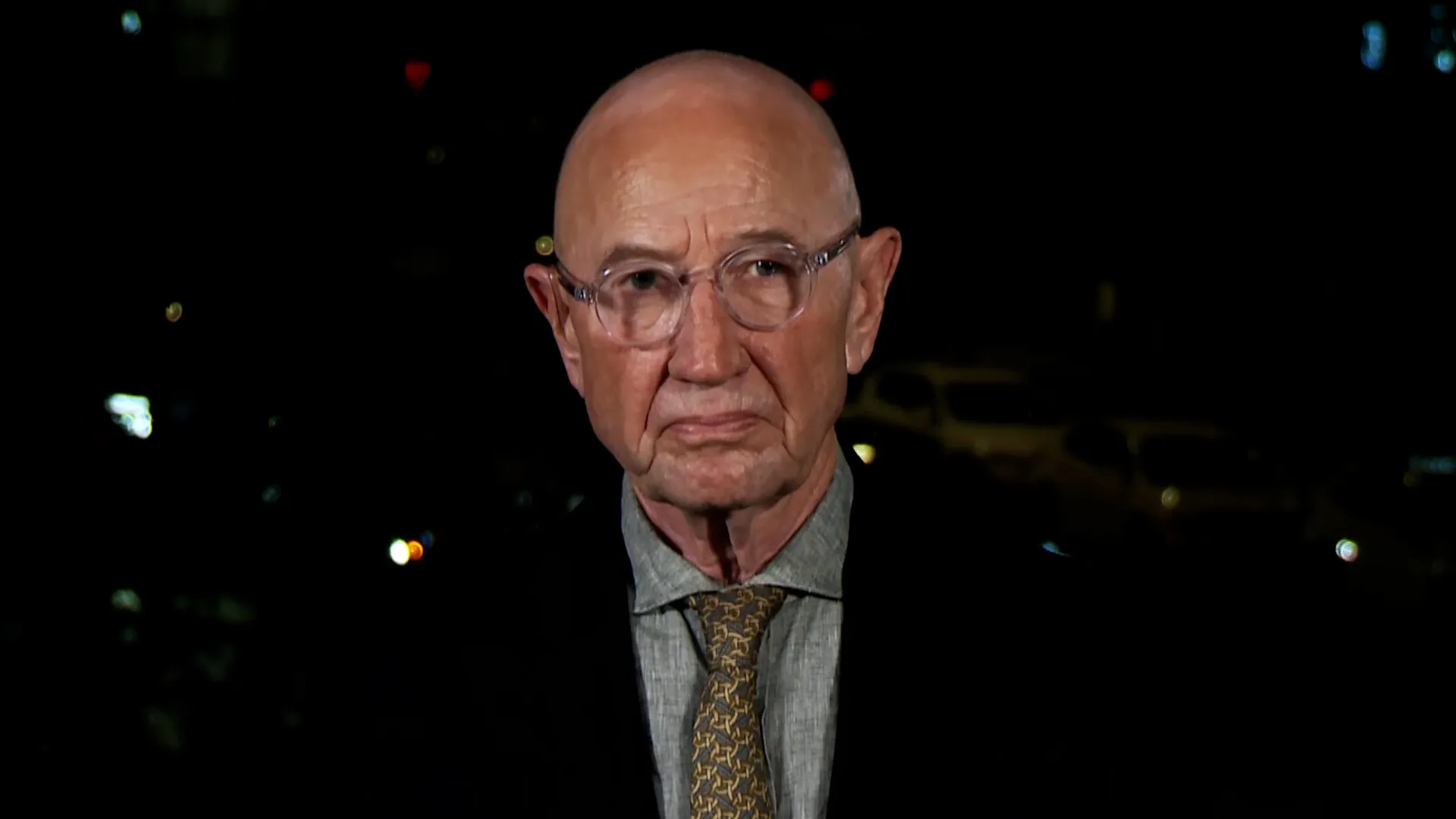
Potential Shift in US-Iran Policy
Recent reports indicate a possible strategic re-evaluation by the United States regarding its approach to Iran. This comes as the Trump administration faces mounting economic implications from sustained tensions and growing opposition within the country to prolonged confrontation. While official details remain undisclosed by the White House, observers suggest that President Donald Trump may be seeking a path to reduce the heightened state of conflict.
Economic Pressures and Domestic Opposition
The prolonged standoff between the United States and Iran has reportedly led to significant economic expenditures for the U.S. These financial burdens, coupled with the broader economic climate, appear to be influencing the administration's considerations. Furthermore, there has been a noticeable increase in domestic criticism and public weariness regarding the protracted tensions. Various political factions and public interest groups have voiced concerns over the potential for further escalation, advocating for diplomatic solutions over continued confrontation. This internal pressure is believed to be a contributing factor in the reported search for a diplomatic 'off-ramp'.
"The economic costs associated with ongoing tensions and the mounting domestic opposition are significant factors driving the administration's reported search for a diplomatic solution," noted one political analyst.
The economic impact extends beyond direct military expenditures, affecting global energy markets and international trade relations. Businesses and consumers alike have felt the ripple effects of instability in a key oil-producing region, contributing to a broader call for stability and predictability in international relations. The intricate web of sanctions and counter-sanctions has also created complexities for global commerce, compelling various international actors to adapt to a volatile geopolitical landscape.
The Search for an 'Off-Ramp'
The concept of an 'off-ramp' suggests a desire to find a diplomatic resolution that allows for a reduction in hostilities without necessarily signifying a complete reversal of policy. Such a move would aim to mitigate the risks of direct military engagement and alleviate the economic strain that has accompanied the current strategy. This approach could involve a new form of engagement or a revised agreement that addresses some of the core concerns of both nations, while also providing a framework for de-escalation.
Historically, diplomatic 'off-ramps' have been crucial in preventing minor disputes from escalating into larger conflicts. They often involve a series of negotiations, concessions from both sides, and the establishment of new protocols for communication and interaction. The challenges in this particular context are substantial, given the deep-seated mistrust and the complex history of relations between the two countries. However, the perceived urgency to avoid further escalation appears to be a driving force behind the reported efforts.
Uncertainty Surrounds Potential Agreement
Despite the emerging reports, the exact nature and terms of any potential agreement or de-escalation strategy remain largely speculative. The White House has maintained a discreet stance, refraining from releasing specific details. This lack of official confirmation contributes to an environment of uncertainty, both domestically and internationally. Stakeholders, including allied nations, international organizations, and market participants, are closely monitoring the situation for any concrete indications of a shift in policy.
The process of negotiating any such agreement would likely be complex and protracted, requiring careful consideration of various geopolitical factors, security concerns, and economic interests. Any deal would also need to navigate the political landscapes in both Washington D.C. and Tehran, where different factions hold varying perspectives on the optimal path forward. The global community would undoubtedly welcome any initiative that genuinely contributes to reducing tensions in the Middle East, a region of critical importance for global stability.
The situation underscores the dynamic nature of international relations, where economic realities and domestic political considerations often play a pivotal role in shaping foreign policy decisions. As the administration continues to navigate these complex challenges, the world watches for definitive steps towards a more stable and less confrontational future between the United States and Iran.
Related Articles
 politics
Georgia Primary Elections Yield Mixed Outcomes for Trump-Backed Candidates
 politics
US Primary Elections: Mixed Results for Trump-Endorsed Candidates Ahead of Midterms
 politics
Makerfield By-Election: A Pivotal Moment for UK Politics Beyond a Single Seat
 politics