
Humanitarian Challenges Mount in Northern Lebanon
The city of Tripoli, situated in northern Lebanon, has become a focal point for humanitarian efforts as it absorbs a massive influx of people displaced by the protracted conflict in the southern parts of the nation. The ongoing Israeli bombardment has compelled over a million individuals to leave their homes, seeking refuge and safety in other areas of Lebanon, with Tripoli bearing a substantial portion of this displacement.
This situation presents complex challenges for both the displaced population and the host communities. Resources are stretched thin, infrastructure is under immense pressure, and the social fabric of the city is adapting to a rapidly changing demographic. The sheer scale of the displacement means that many individuals and families arrive with little more than the clothes on their backs, necessitating immediate and sustained humanitarian assistance.
Personal Sacrifices in the Face of Crisis
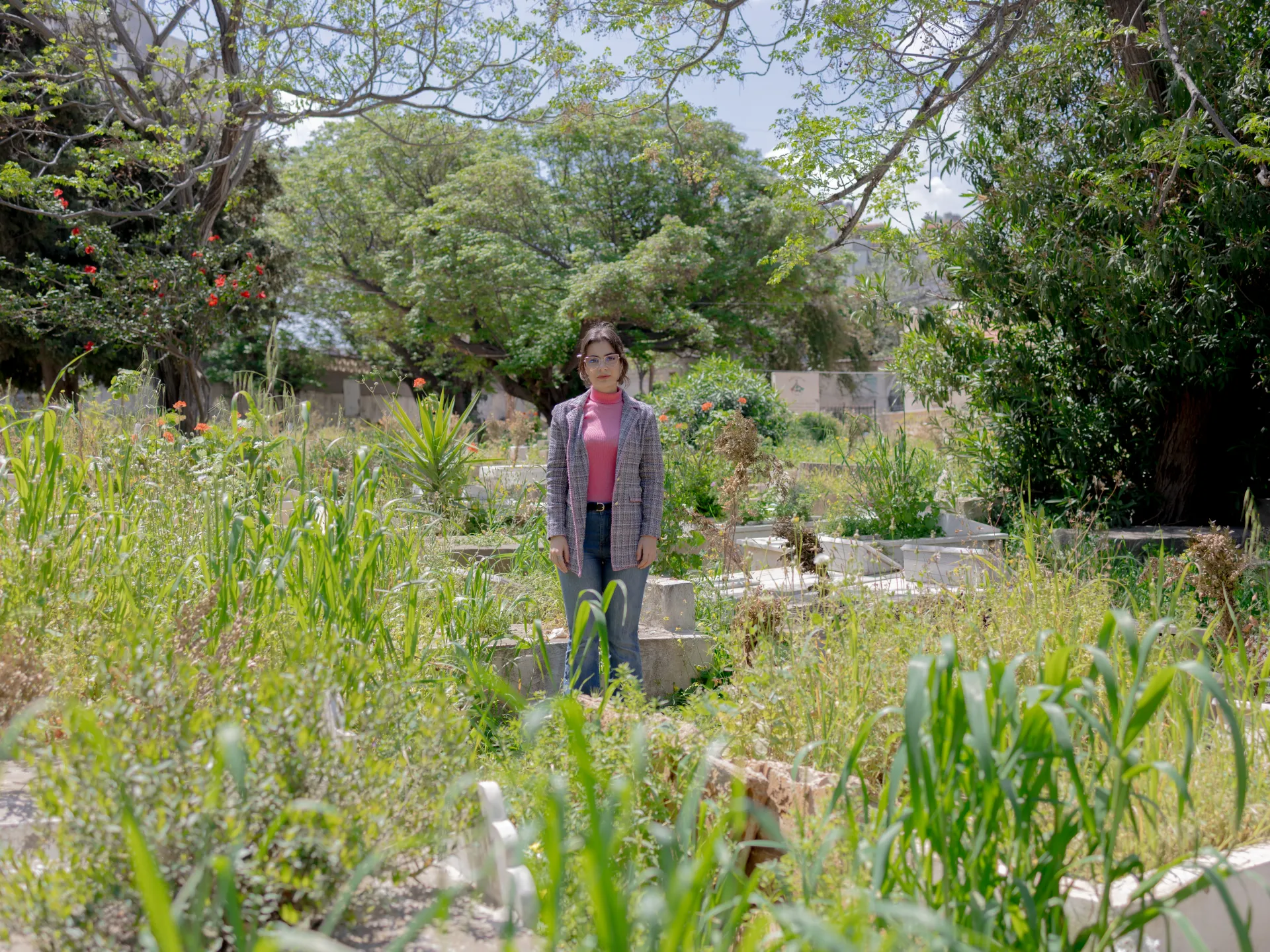
The human element of this crisis is often best understood through individual stories. One such narrative is that of Angelina, a 25-year-old resident of Tripoli. Angelina dedicates her time to volunteering, providing crucial aid to those who have fled the hostilities in the south. Her commitment to helping others, however, comes at a personal cost.
Angelina is employed at a local glass factory, a job that is vital for her economic stability. The demands of her volunteer work frequently require her to take time off, placing her employment in jeopardy. In a precarious economic environment, the risk of losing her job is a constant source of anxiety, yet her dedication to humanitarian work persists despite these personal vulnerabilities.
Her home life also reflects the broader societal impact of the displacement. Her extended family has taken refuge in her residence, having themselves fled the violence in the south. This situation, while offering a sense of solidarity and support to her relatives, adds to the overcrowding and resource strain within her own household. The constant presence of those affected by war brings the harsh realities of the conflict directly into her daily existence, making it impossible to distance herself from the widespread suffering.
A City Under Strain
Tripoli, a city with its own historical complexities and socio-economic challenges, is now grappling with the added burden of hosting hundreds of thousands of displaced individuals. The sudden increase in population places enormous pressure on essential services such as housing, sanitation, healthcare, and education. Local authorities and aid organizations are struggling to meet the escalating needs, often with limited resources and coordination.
The sheer number of displaced people can lead to increased competition for scarce resources, potentially exacerbating existing social tensions. While the spirit of solidarity often prevails, the long-term presence of a large displaced population can create new dynamics within the host community, requiring careful management and support from both national and international bodies.
Vulnerability and Empathy
Angelina's experience highlights a critical aspect of humanitarian crises: the blurring lines between helper and helped. As she interacts daily with those who have lost everything, she becomes increasingly aware of her own vulnerability. The war, while geographically distant from Tripoli, casts a long shadow over the entire country, reminding everyone that security can be fleeting and circumstances can change rapidly.
This realization fosters a profound sense of empathy, enabling her to connect with the displaced on a deeper level. It also underscores the psychological toll that such crises take on individuals, even those who are ostensibly safe from direct conflict. The constant exposure to trauma and suffering, coupled with personal sacrifices, can lead to burnout and emotional distress among aid workers and volunteers.
Documenting the Crisis
The human stories emerging from this crisis are being captured and shared to raise awareness and foster understanding. The documentary film, 'Lebanon: What Holds Us Together,' by Ahmad Naboulsi, aims to shed light on these experiences, providing a platform for the voices of those affected. Such productions are crucial for bringing the realities of humanitarian crises to a wider audience, encouraging global engagement and support.
The film, featuring individuals like Angelina, offers a glimpse into the daily struggles and resilience of people caught in the crosscurrents of war and displacement. It serves as a reminder that behind the statistics of displaced millions are countless individual lives, each grappling with profound challenges and demonstrating remarkable strength in the face of adversity.
The situation in Tripoli is a microcosm of the larger humanitarian challenges facing Lebanon. As the country navigates regional conflicts and internal pressures, the ability of its cities and citizens to absorb and support displaced populations will continue to be a testament to their resilience, while also highlighting the urgent need for sustained international assistance and a resolution to the underlying conflicts.
Source: Original Article
Related Articles
 world
world
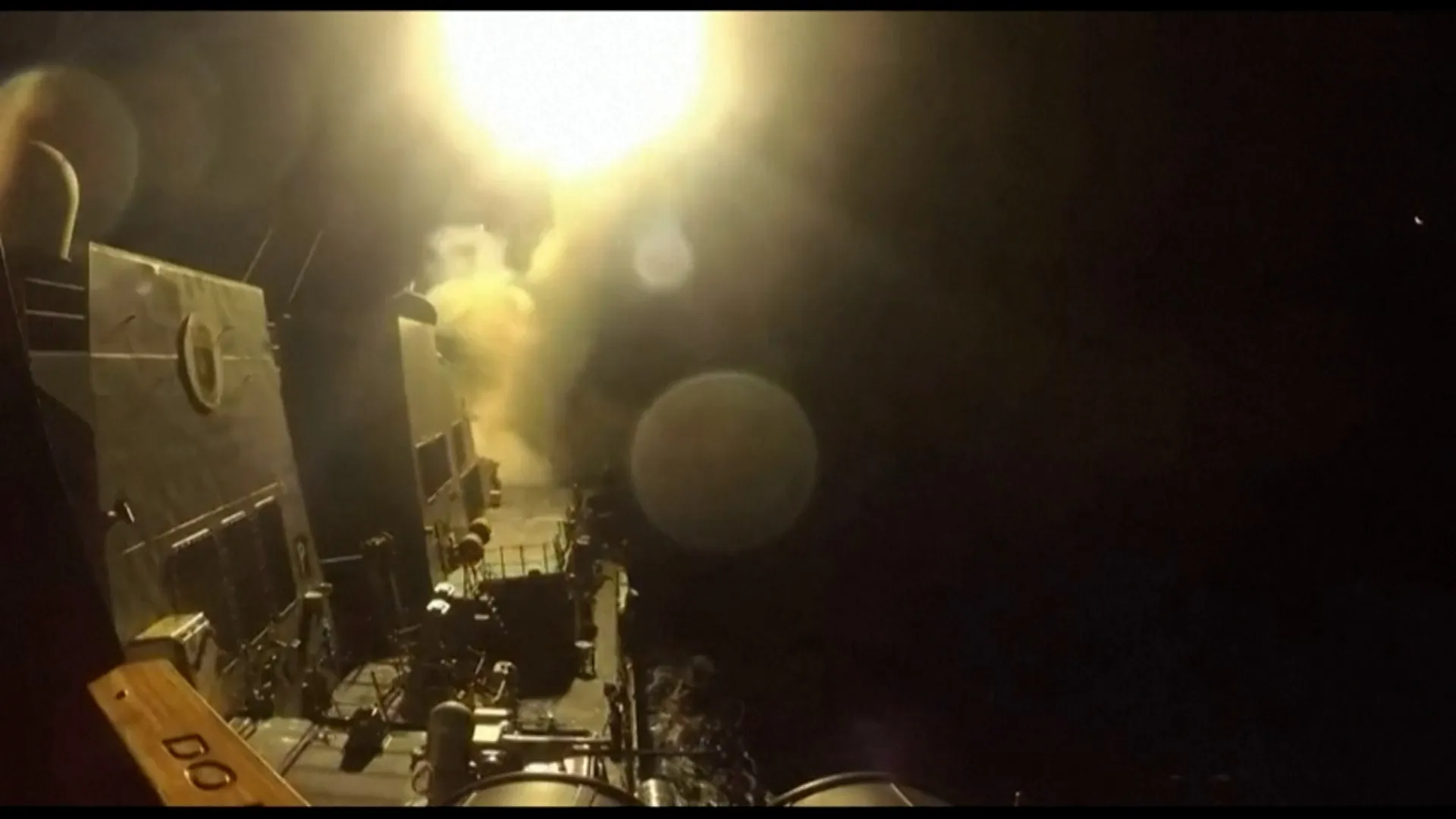
US Central Command Publishes Footage of Strikes Against Iranian Targets
 world
world
Allegations of Sexual Violence Surface in Israeli Detention Facilities
 world
world
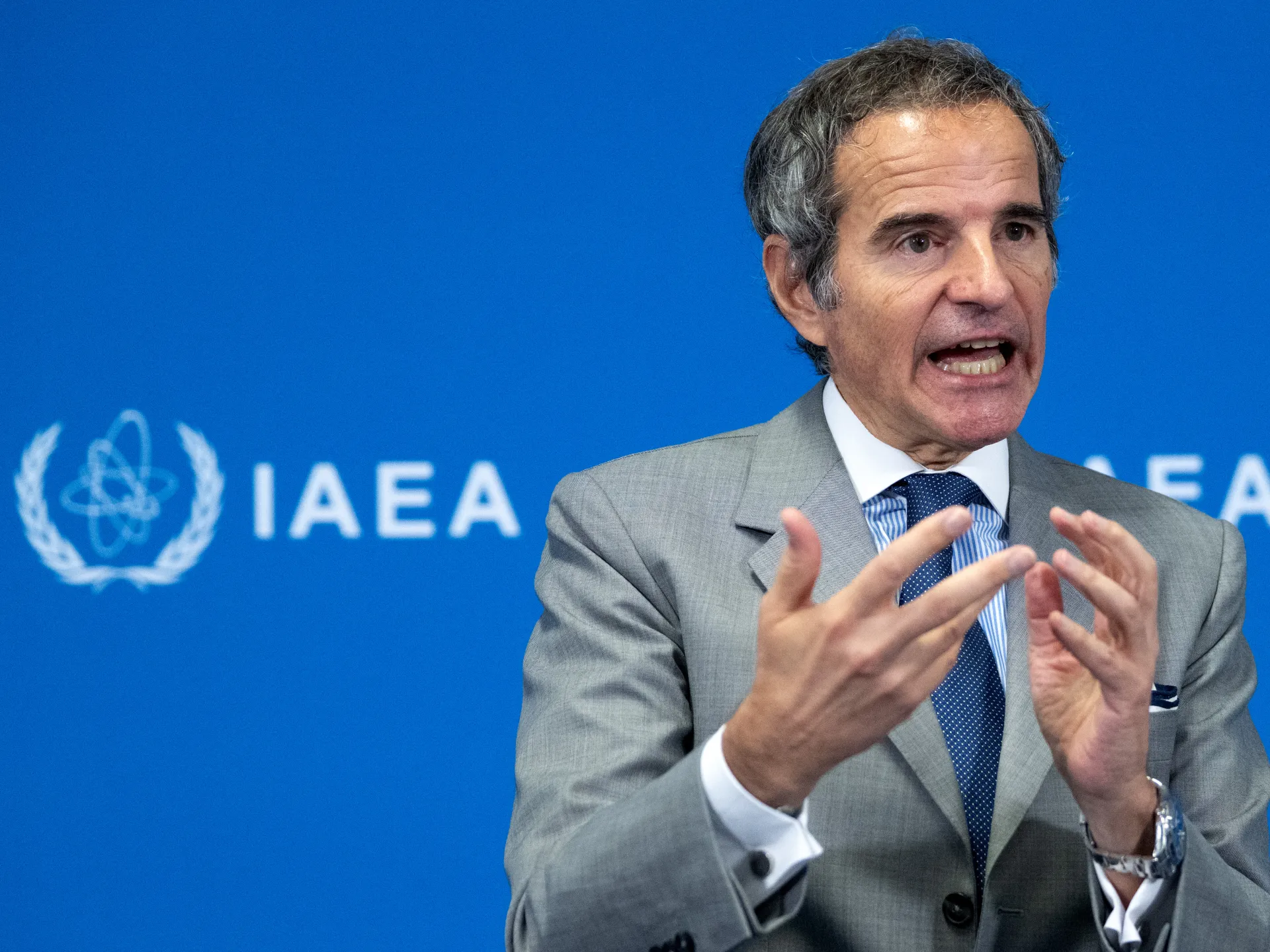
UN Watchdog Demands Iran Account for Enriched Uranium Stockpiles Amid Regional Tensions
 world
world