
The Science Behind Air Conditioning
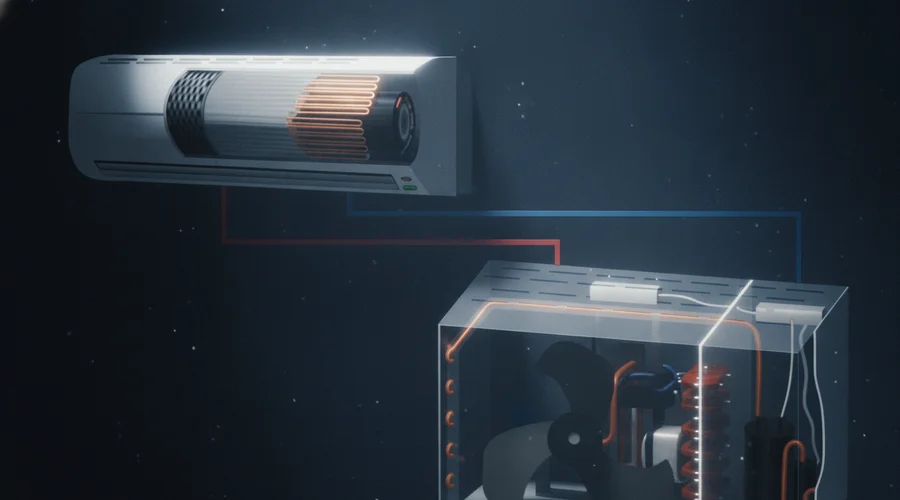
As summer temperatures climb across the Northern Hemisphere, where the majority of the world's population resides, air conditioning units have become an indispensable tool for maintaining comfort. These systems operate on a fundamental principle: extracting heat and moisture from indoor environments and expelling them outside. The process begins when warm indoor air is drawn into the unit and directed over chilled evaporator coils. Within these coils, a liquid refrigerant absorbs the heat, transforming into a gas and simultaneously cooling the air. A fan then circulates this cooled air back into the room. The now-warmed refrigerant gas travels to an outdoor unit, where it releases its heat through a condenser coil, reverting to a liquid state. This liquid refrigerant then cycles back indoors, perpetually repeating the cooling process.
A Brief History of Cooling Technology
The origins of modern air conditioning are largely attributed to American engineer Willis Carrier. In 1902, Carrier developed a humidity-control system for a printing plant in New York, utilizing chilled coils to manage the air. The convenience of window-mounted units emerged in 1931, and post-World War II, mass production made air conditioning accessible to a broader market, integrating it into homes and offices. Environmental concerns in the 1990s led to a significant shift, with ozone-depleting chlorofluorocarbons (CFCs) being phased out in favor of hydrofluorocarbons (HFCs). The 2010s saw further advancements, with newer refrigerants like R-32 and R-290 (propane) introduced to reduce emissions associated with cooling technologies.
Global Demand for Cooling and Heat Stress Risks
With global temperatures on the rise, the adoption of air conditioning is increasing in numerous countries worldwide. The absence of effective or accessible cooling solutions can expose individuals to severe heat stress and related health complications. The World Health Organization identifies heat stress as a primary cause of weather-related fatalities and notes its potential to exacerbate existing medical conditions, including cardiovascular disease, diabetes, mental health disorders, and asthma. Furthermore, it can heighten the risk of accidents and the transmission of various infectious diseases. Regions most susceptible to heat stress typically experience a confluence of high temperatures, elevated humidity, and intense sun exposure.
Heatstroke represents the most severe manifestation of heat stress, occurring when the body’s internal temperature surpasses 40 degrees Celsius (104 degrees Fahrenheit). This condition is life-threatening and demands immediate medical intervention.
To mitigate the risk of heatstroke, several preventative measures are recommended:
- Maintain adequate hydration by drinking plenty of water.
- Apply sunblock to protect skin from harmful UV rays.
- Opt for loose-fitting clothing made from breathable materials like cotton.
- Never leave individuals, especially children or pets, unattended in parked vehicles.
- Avoid direct sun exposure, particularly during the hottest parts of the afternoon.
- Refrain from strenuous exercise during peak heat hours.
- Ensure living spaces are well-ventilated and cool.
- Take cool showers to lower body temperature.
- Consume light meals.
- Exercise caution with medications, as some can increase heat sensitivity.
Responding to Heatstroke
If an individual exhibits symptoms of heatstroke, such as a rapid heartbeat, accelerated breathing, elevated body temperature, dehydration, or nausea, immediate steps should be taken while awaiting emergency medical assistance:
- Move the person out of direct sunlight.
- Have them lie down and elevate their feet.
- Remove any tight clothing.
- Utilize a fan or air conditioner to help reduce body temperature.
- Apply cold compresses to the skin.
- Encourage the person to drink fluids if conscious and able.
Air Conditioning's Impact on the Human Body
While air conditioners are vital for preventing overheating, their prolonged use, especially with inadequate maintenance, can lead to various adverse effects on the body. Understanding these impacts and implementing practical remedies can help maintain comfort and health:
- Dry Skin and Eyes: AC systems reduce air moisture, which can result in tight, flaky skin and irritated or itchy eyes. Regular use of moisturizer and keeping lubricating eye drops on hand can counteract these effects.
- Headaches: Sustained exposure to cold, dry air can trigger tension headaches, often exacerbated by dehydration. Consistent water intake throughout the day and taking breaks from heavily air-conditioned environments are advisable.
- Dry Nose and Throat: The low humidity in air-conditioned spaces can dry out mucous membranes, leading to soreness, congestion, or a scratchy throat. Saline nasal sprays or throat lozenges offer immediate relief, while a humidifier can provide long-term benefits.
- Respiratory Irritation: Poorly maintained AC units can circulate dust, mold spores, and bacteria, irritating airways and worsening conditions like asthma. Regular cleaning or replacement of filters and annual unit servicing are crucial.
- Muscle Stiffness and Joint Pain: Cold air can cause muscles to contract and tighten, particularly in the neck, shoulders, and back. Gentle stretching, wearing a light layer to stay warm, and avoiding direct exposure to air vents can alleviate discomfort.
- Sleep Quality: A cool room generally promotes deeper sleep by lowering core body temperature. However, air that is excessively cold or dry can disrupt sleep. Most experts suggest setting the thermostat between 16°C and 18°C (60-65°F) and using a light blanket for optimal balance.
DIY Cooling Solutions
For those without an air conditioner or seeking to conserve energy, a homemade air cooler can offer temporary relief. This can be constructed using a styrofoam cooler, ice, and a fan. While such a device may not address humidity levels, it can provide a noticeable cooling effect during the hottest summer days.
Source: Al Jazeera
Related Articles
 technology
US AI Export Restrictions Spark Global Concerns and Calls for Tech Sovereignty
 technology
Indian Court Upholds Temporary Ban on Telegram Amid Exam Leak Concerns
 technology
Navigating the Digital Divide: Why AI Struggles with Online Hate Speech Detection
 technology