
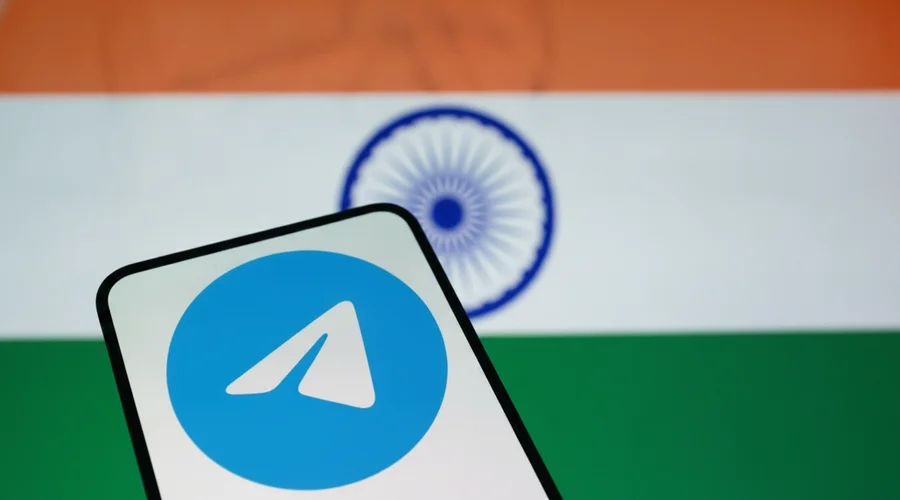
Indian Judiciary Affirms Ban on Messaging Platform
An Indian court has upheld a temporary prohibition against the Telegram messaging application, a decision stemming from allegations that the platform was utilized for the illicit sale of leaked examination materials. The New Delhi High Court issued its ruling on Friday, concluding a closed-door proceeding involving representatives from Telegram and Indian government officials. This judicial endorsement solidifies the government's action to block the app, which occurred earlier in the week, effectively removing it from app stores and rendering it inaccessible within the country.
The controversy centers on claims made by India's Ministry of Information Technology. The ministry stated on Sunday that various channels operating on Telegram were actively engaged in selling questions for undergraduate medical entrance examinations. Authorities further cautioned that even the dissemination of fraudulent exam questions could significantly mislead and disadvantage aspiring candidates.
This ban follows a notable incident approximately a month prior, when India was compelled to cancel the results of the aforementioned medical entrance test. That cancellation itself was a direct response to widespread accusations that the examination questions had been compromised and leaked in advance. The ongoing legal dispute between Telegram and the Indian government has emerged as one of the most closely observed confrontations between a major international technology firm and the nation's regulatory bodies this year.
Government Justification and Telegram's Defense
Justice Tejas Karia of the Delhi High Court articulated that the government's directives to ban the messaging application were well-reasoned and had adhered strictly to established legal protocols. India had been Telegram's largest global market, boasting a user base exceeding 150 million individuals prior to the imposition of the ban.
Pavel Durov, the founder of Telegram, publicly voiced his disapproval of the ban. He contended that the measure unfairly penalized the platform's vast user base, particularly given that the alleged exam leaks had already circulated through other avenues. Court filings indicate that the ban was enacted after several days of private discussions between the parties involved. During these discussions, Indian officials reportedly conveyed to Telegram that the company had not responded with sufficient speed to remove accounts implicated in selling the illicit exam papers.
In its own court submissions, Telegram refuted the Indian government's characterization of these meetings, labeling it as 'one-sided and inaccurate' and accusing it of 'intentionally' omitting crucial details regarding the company's proactive measures. Telegram asserted that it had taken down more than 900 links that were associated with unlawful exam-related content.
Broader Regulatory Landscape for Telegram
India's action places it among an expanding roster of nations that have implemented restrictions or bans on Telegram. China and Iran, for instance, have maintained long-term prohibitions on the application since 2015 and 2018, respectively. Beyond outright bans, Telegram is also confronting increasing regulatory scrutiny in various other jurisdictions.
Notably, a French investigation is currently underway concerning Durov himself, examining alleged failures to adequately curb criminal content facilitated through the platform. Simultaneously, authorities in Malaysia and Australia are also reportedly intensifying their oversight and scrutiny of Telegram's operations and content moderation policies. These international pressures highlight a growing global trend of governments seeking greater accountability from large social media and messaging platforms regarding content disseminated within their borders.
The Indian case, therefore, is not an isolated incident but rather indicative of a broader challenge faced by global tech companies in navigating diverse national regulations, particularly when issues of public integrity and national security are invoked. The outcome of such disputes often sets precedents for how digital platforms operate within sovereign jurisdictions, balancing user freedom with governmental oversight responsibilities.
Source: Indian court rejects appeal over ban on Telegram app
Related Articles
 technology
US AI Export Restrictions Spark Global Concerns and Calls for Tech Sovereignty
 technology
Navigating the Digital Divide: Why AI Struggles with Online Hate Speech Detection
 technology
US Government Directs Anthropic to Restrict AI Model Access for Foreign Nationals
 technology