
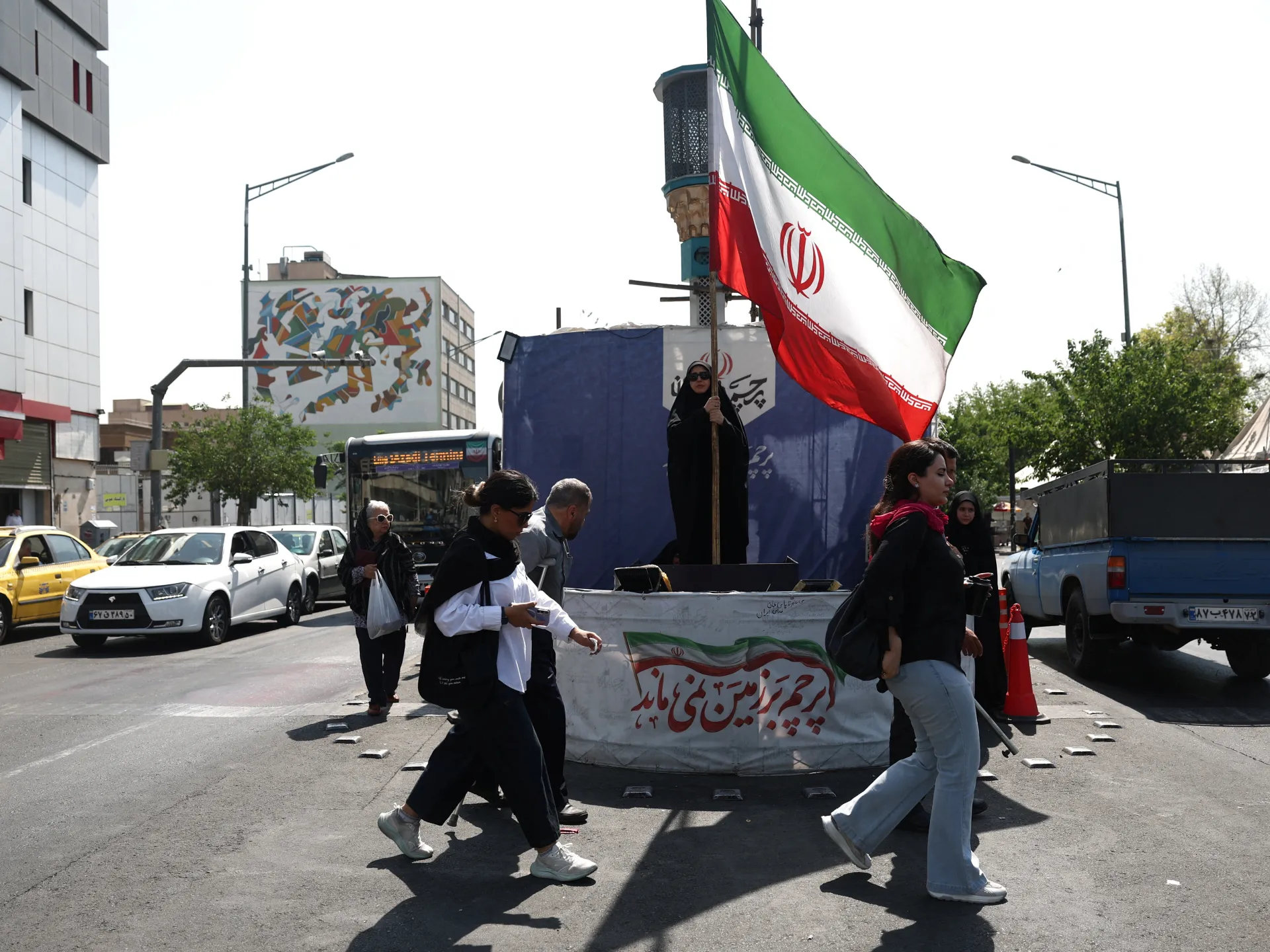
Major Powers Announce Preliminary Peace Deal
United States President Donald Trump has declared a “great deal” to conclude the conflict with Iran, an announcement echoed by officials in Tehran. The agreement, expected to be formally signed in Switzerland, aims for an immediate cessation of hostilities following more than three months of military engagements. Pakistani Prime Minister Shehbaz Sharif confirmed that a signing ceremony is scheduled to take place on Friday.
Iran’s Supreme National Security Council indicated that the agreement includes an immediate suspension of military operations across all fronts, encompassing Lebanon, where Israel currently occupies a significant portion of territory. A statement from the council on Sunday confirmed, “Based on the agreements reached, the war and military operations on all fronts, including Lebanon, will end immediately and permanently as of tonight, and in addition, the naval blockade against Iran will end immediately and completely.” Kazem Gharibabadi, Iran’s deputy foreign minister for legal and international affairs, stated that negotiations for a comprehensive, final agreement are slated to continue for an additional 60 days.
President Trump, meanwhile, suggested that Israeli Prime Minister Benjamin Netanyahu “should be very thankful” for the US role in facilitating the deal. Trump also reportedly criticized recent Israeli strikes on the southern suburbs of Beirut, Lebanon, on Sunday, which he indicated nearly derailed the tentative agreement.
Market Reaction and Strait of Hormuz Reopening
The announcement garnered a positive response from financial markets. President Trump urged vessels delayed by the closure of the Strait of Hormuz to “start their engines,” signaling expectations for the resumption of shipping through the crucial waterway. However, Trump clarified in a social media post that the initial reopening of the strait would be exclusively “for purposes of mine removal,” rather than immediate general shipping.
Analysts suggest that the preliminary agreement is likely to reduce immediate violence, facilitate the reopening of vital shipping lanes, and create an environment conducive to further negotiations. Nevertheless, substantial uncertainties persist, including whether Israel will honor the terms, the future of Iran’s nuclear program, potential sanctions relief, the long-term status of the Strait of Hormuz, and the fate of Iran’s regional allies, such as Hezbollah.
Israel's Role and Regional Stability
A key question revolves around Israel's willingness to comply with the agreement. The White House has not yet released the reported 14-point memorandum of understanding, and details published by Iran’s Mehr news agency have not been independently verified. While Iran asserts that the agreement includes a ceasefire by Israel in Lebanon, it remains unclear whether this would necessitate Israel's complete withdrawal from the southern Lebanese territory it occupies. Over 3,000 fatalities have been recorded in Israeli attacks on Lebanon since early March, with more than one million people displaced.
Despite the announced deal, Israeli Defence Minister Israel Katz stated on Monday that Israel's military would maintain a presence in security zones in Lebanon, Syria, and Gaza indefinitely to protect its borders and communities from militant groups. Some observers believe that Sunday's Israeli attack on Beirut's southern suburbs was an attempt to gain leverage before the deal took effect, reinforcing Israel's long-held position that attacks from Lebanon by Iran-backed Hezbollah would provoke retaliation against Beirut. Iranian officials, however, suggested the strike was counterproductive, claiming it expedited negotiations with Washington and secured additional concessions from Trump in exchange for Tehran's non-retaliation.
US news outlet Axios reported that Trump expressed strong criticism of Netanyahu, allegedly stating, “Why did Bibi have to do a f****** attack? I was so p***** off. I let him know. He has no f****** judgement.” Trump reportedly added that the incident “shook it [the deal] up” and delayed the signing by several hours.
Gideon Levy, a columnist for Israel’s Haaretz newspaper, cautioned that Lebanon could pose the most significant challenge to the agreement's viability. He described the deal as “very, very fragile,” emphasizing the linkage Iran successfully established between Lebanon and the agreement. Levy noted that Israel's continued presence in Lebanon and its disinclination to withdraw could impede a “total ceasefire,” dismissing Sunday's strikes as “ridiculous, childish attacks” that ultimately resulted in an Israeli loss.
Domestic Israeli Reaction and Strategic Goals
The agreement has intensified criticism of Netanyahu within Israel. Opponents from across the political spectrum contend that Israel failed to achieve its primary objectives in the conflict with Iran. Levy characterized the deal as widely perceived in Israel as “the defeat of Israel and the personal defeat of Netanyahu.” He argued that Israel was “totally excluded from the negotiations” and relegated to influencing events from the periphery. Yair Golan, leader of Israel’s centre-left Democrats party, described the deal as “the culmination of many years of failure,” asserting that Netanyahu was “ending his tenure with Israel’s enemies stronger.” Far-right National Security Minister Itamar Ben-Gvir maintained that Israel is “not partners to this agreement, which does not safeguard our security,” advocating against any withdrawal from Lebanese territory.
Initial reports also indicate no mention of disarming Hezbollah, one of Israel’s stated strategic goals, and efforts to isolate the Lebanon conflict from the broader confrontation with Iran appear to have been unsuccessful. Another round of talks between Israel and Lebanon is scheduled in Washington, DC, on June 22, linked to an earlier, unrespected ceasefire. Hezbollah has not been included in these discussions. Furthermore, Israel’s broader objectives, such as regime change in Iran, have not materialized.
Iran's Nuclear Program and Missile Capabilities
According to Iran’s Mehr News Agency, the reported 14-point draft agreement outlines a final resolution on nuclear issues within 60 days. President Trump reportedly told The New York Times that a final agreement would restrict Iran to uranium enrichment levels that “could never be used by the military.” When asked if the arrangement would resemble the 2015 nuclear deal, which capped enrichment at 3.67 percent, Trump only stated that Iran would be permitted to enrich uranium “for nonmilitary purposes. Forever.” Uranium requires 3 to 5 percent enrichment for nuclear power, while 90 percent is needed for weapons-grade material. Iran is believed to possess approximately 440kg (970lb) of uranium enriched to 60 percent, a level that significantly reduces the time needed to reach weapons-grade. The disposition of this stockpile has been a major point of contention in negotiations. The US president also cautioned that military action could resume if final nuclear agreement negotiations fail.
A significant question surrounds the fate of Iran’s ballistic missile program and its network of regional allies. In a March interview, Trump indicated that dismantling Iran's ballistic missile program was a key objective. Upon announcing the commencement of hostilities on February 28, he vowed to “destroy their missiles and raze their missile industry to the ground.” Trump had also repeatedly linked Iran’s missile program to its regional allies, stating that military action would target Iran’s missile capabilities, naval forces, and “terrorist proxies.” During the conflict, US negotiating positions reportedly included demands for Iran to cease support for groups such as Hezbollah in Lebanon, Hamas in Gaza, the Houthis in Yemen, and various armed groups in Iraq and Syria. However, Mehr reports suggest that discussions concerning Iran’s missile program and support for allied groups have been removed from the negotiating agenda, which, if accurate, would represent a substantial concession from Washington. Hezbollah, the Houthis, and allied Iraqi armed groups remain active, with no publicly available details suggesting their disbandment as part of the deal.
The Future of the Strait of Hormuz
The Strait of Hormuz remains central to the agreement. Reopening this vital waterway, which prior to the conflict transported approximately one-fifth of global oil and liquefied natural gas supplies, quickly became a top strategic priority for Trump. “Congratulations to all! I hereby fully authorise the toll free opening of the Strait of Hormuz, and, simultaneously herewith, authorise the immediate removal of the United States Naval blockade,” Trump posted on social media. Similarly, Iran’s Supreme National Security Council stated that the agreement provides for the immediate lifting of the US naval blockade on Iranian ports, which was imposed to restrict Iranian trade and oil revenue.
Mehr reported that the draft agreement includes the reopening of the Strait of Hormuz, the lifting of the blockade within 30 days, and a US commitment to withdraw forces deployed around Iran. Trump clarified that the strait’s initial reopening would be for “mine removal,” leaving the timeline for full-scale commercial shipping uncertain. Rockford Weitz, a professor of maritime studies at Tufts University’s Fletcher School, emphasized that clearing mines from shipping lanes would be the immediate priority. He noted that while a few ships would initially pass, more would follow if successful, though even under optimistic scenarios, a return to normal shipping levels could take months. Weitz added that the shipping industry would likely be hesitant at first, given the prolonged disruption. The question of whether shipping will enjoy the same freedom of passage as before the war also persists, as Iran has previously considered charging fees for transit through the strait, despite international law typically prohibiting tolls in natural straits while allowing charges for services rendered.
Source: Original Article
Related Articles
 world
world
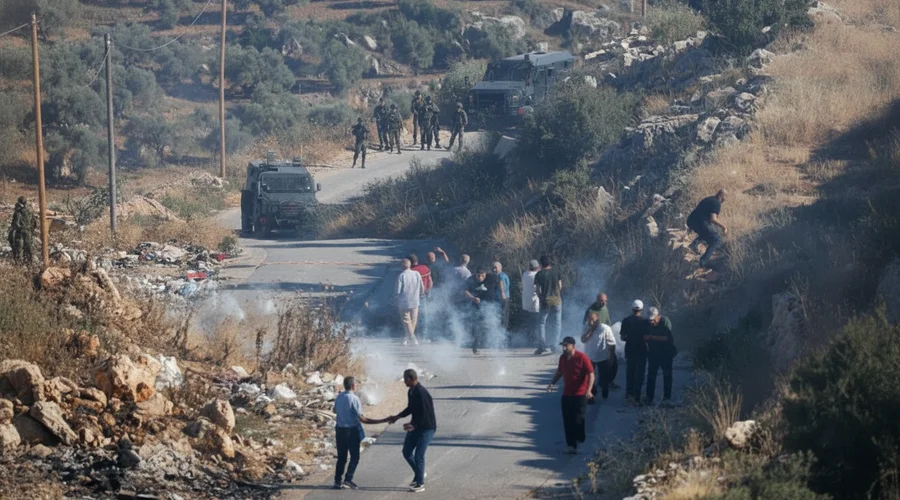
International Sanctions Target Settlers Amidst Escalating West Bank Tensions
 world
world
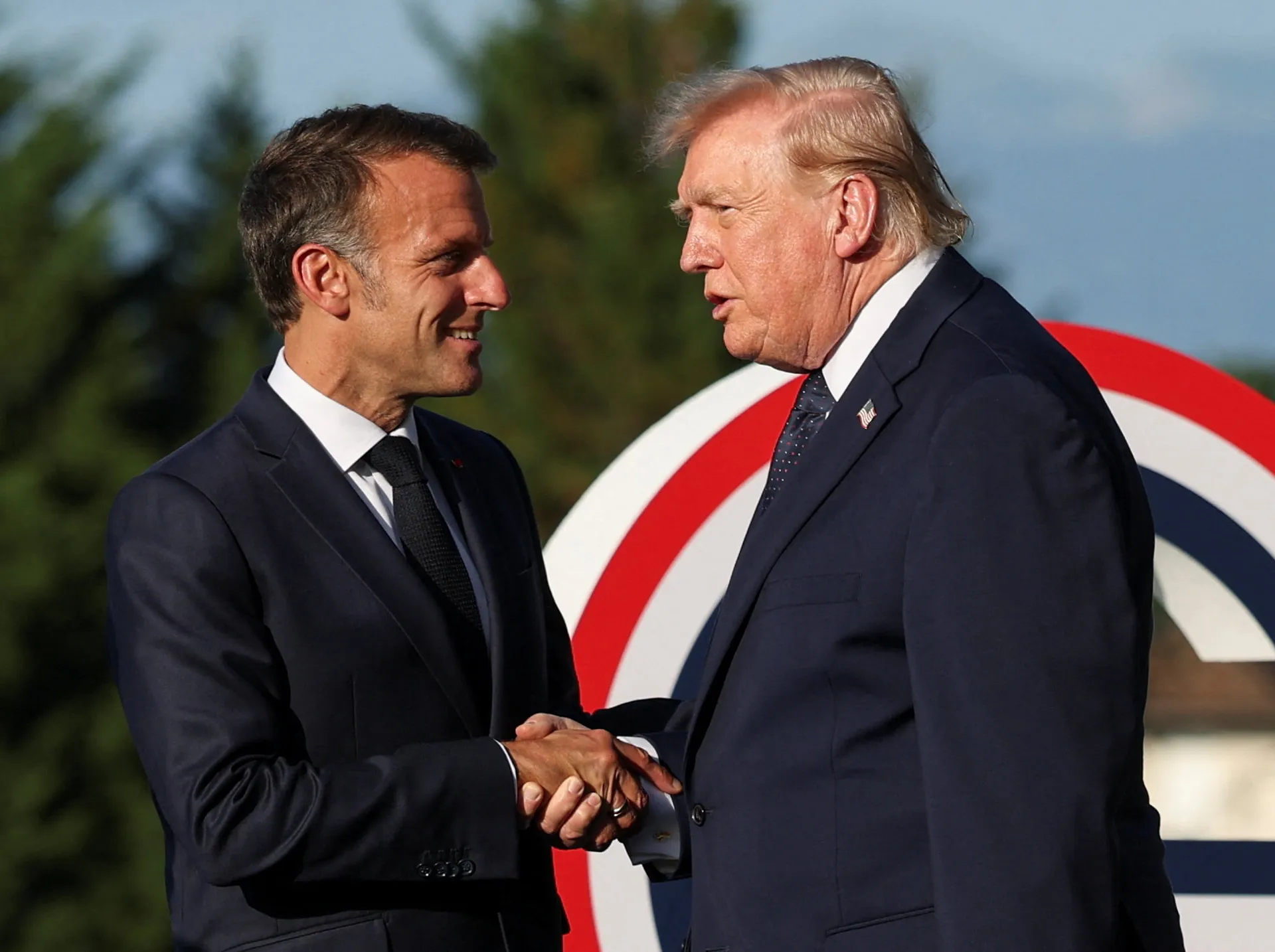
G7 Leaders Convene in France Amidst Critical Discussions on Iran and Ukraine
 world
world
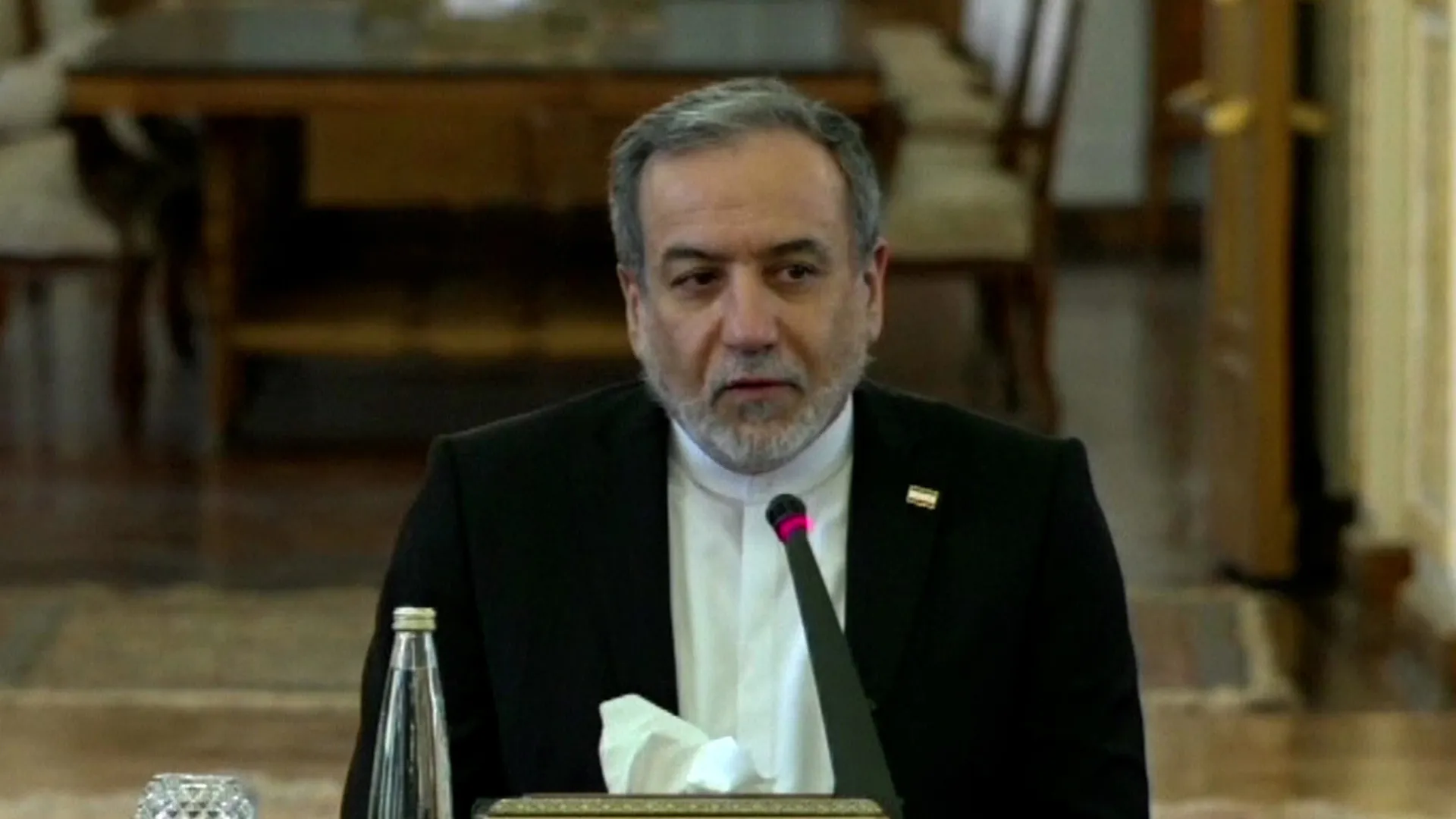
Iran Cautions Against Israeli Presence in Lebanon, Citing Potential US Accord Violation
 world
world